Epoxy Injection Resins
WEBAC® 4170
- Classic Line
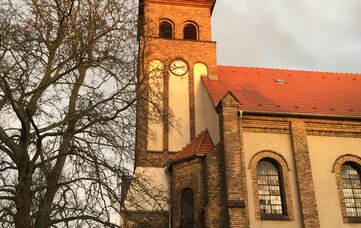
St. Nicholas' Church in Potsdam, built between 1830 and 1837 according to plans by Karl Friedrich Schinkel, is one of the most important buildings of German classicism. The church was largely destroyed during World War II and rebuilt in several stages beginning in the 1950s. Today, it is a listed building and a central element of Potsdam's historic cityscape.
The damage to the church extended from the foundations to the roof, requiring extensive renovation work on the outer shell.



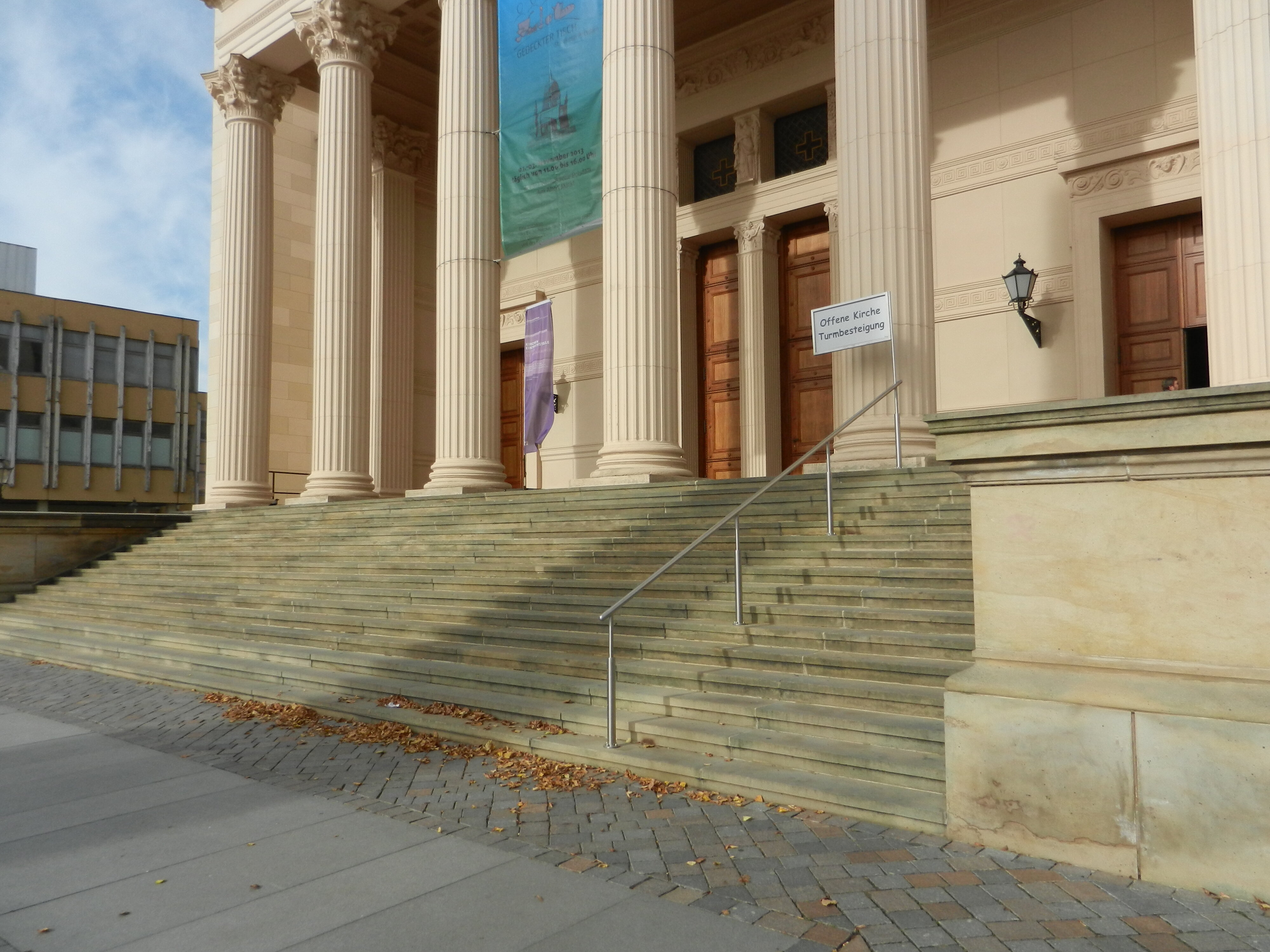
In 2010, work on renovating the outer shell of St. Nicholas' Church was completed. The focus was on measures to protect against surface water and ground moisture. The waterproofing work covered the base area as well as the staircase and the accessible roof areas.
Base sealing against ground moisture and surface water
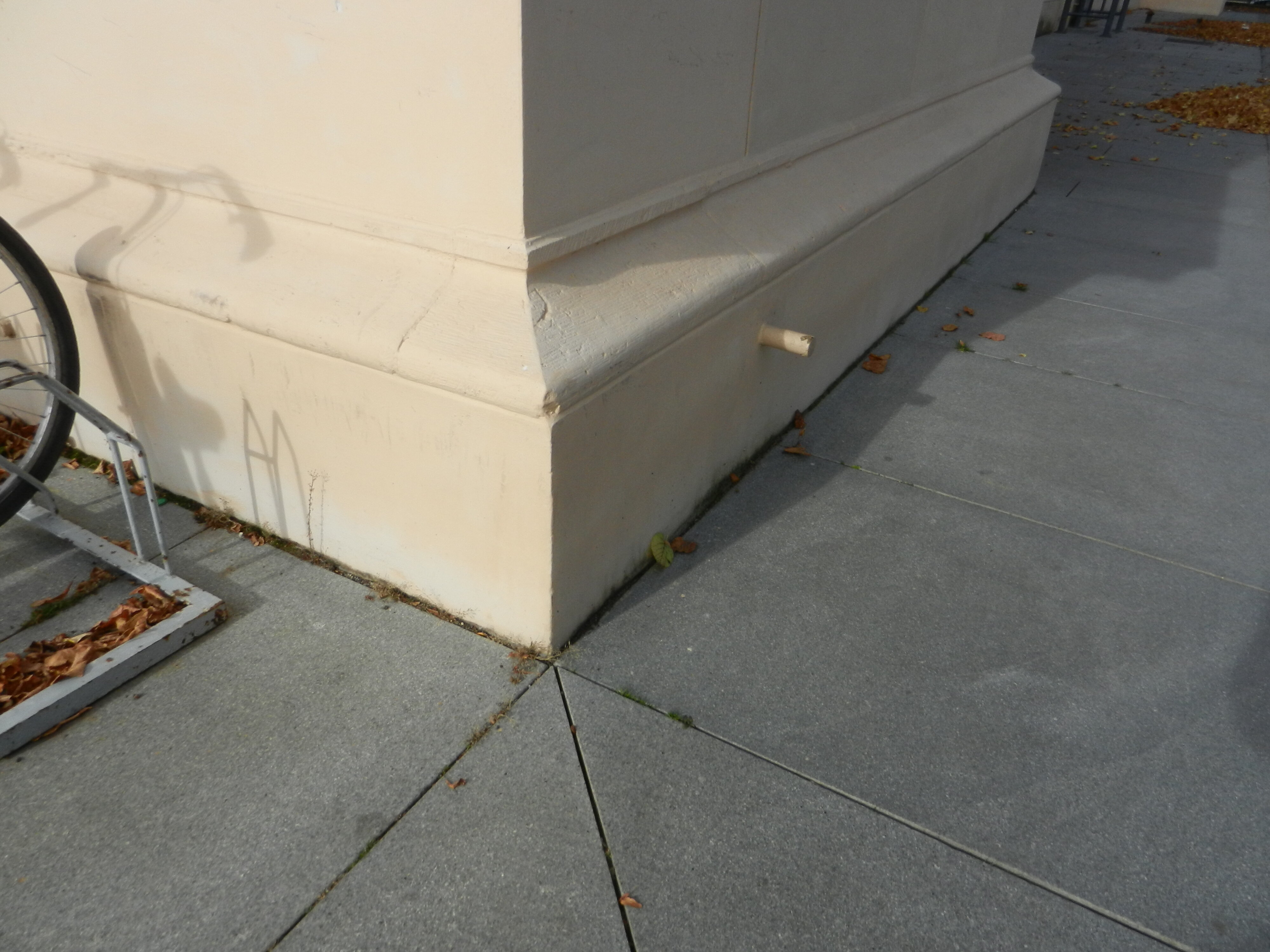
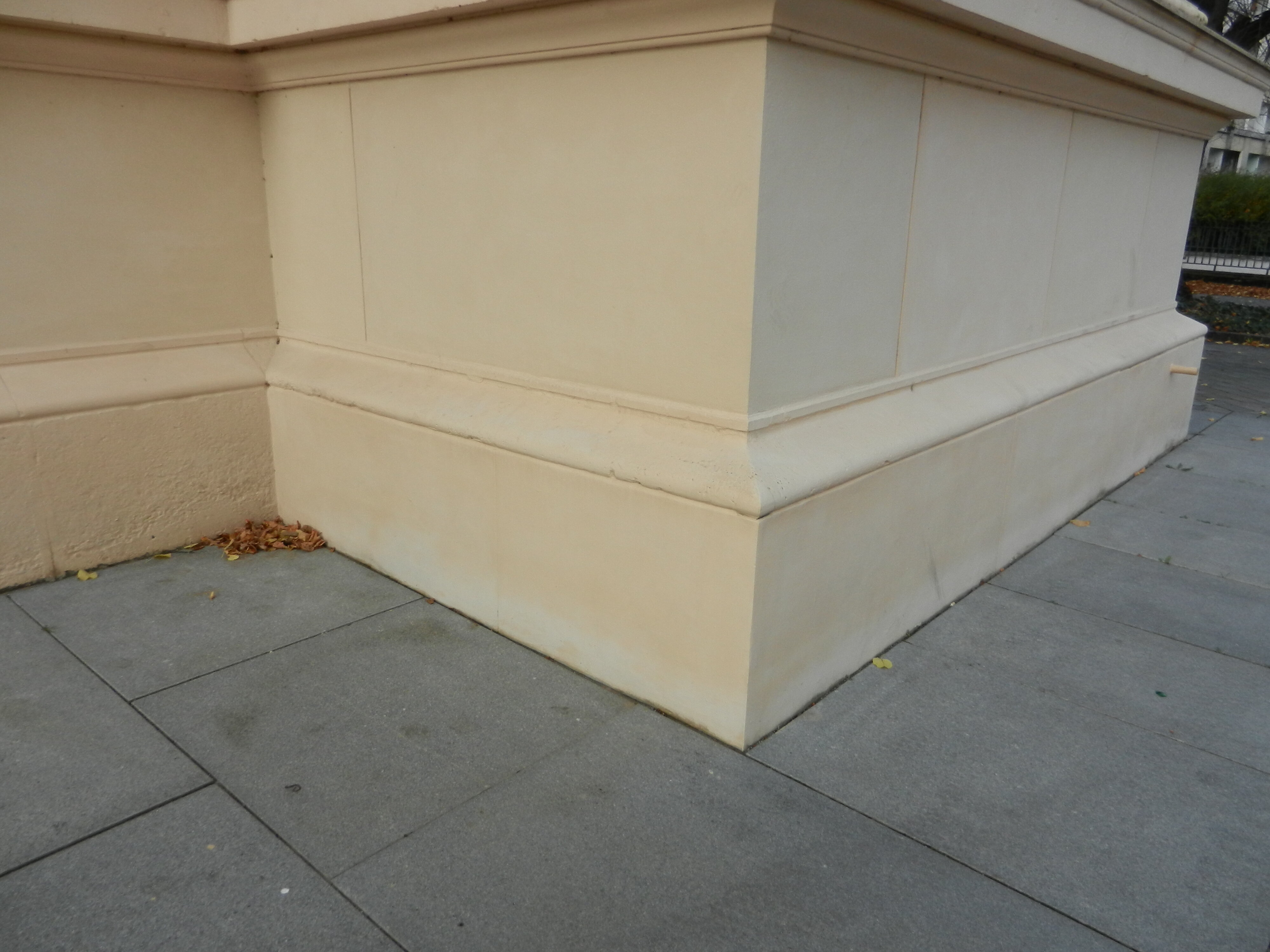
In the lower part of the building, the wall structures were first exposed and the surfaces leveled. Then the bitumen-acrylate dispersion WEBAC 5611 was applied. To protect the waterproofing in the area in contact with the ground, a facing wall of brick tiles was installed, following the historical model of “old Potsdam architecture.”
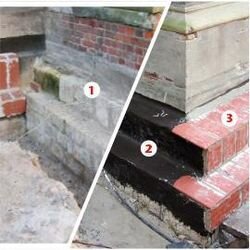
Waterproofing under stair covering against surface water
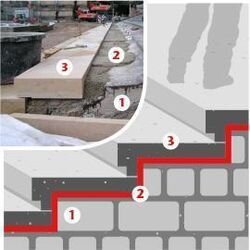
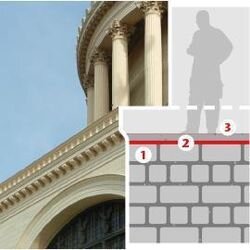
Waterproofing of accessible roof areas
The accessible roof areas were prepared for waterproofing against rainwater and treated with WEBAC 4170. Finally, an accessible protective layer was applied to permanently protect the waterproofing from mechanical stress.
This systematic approach ensured that the moisture protection for all relevant components of St. Nicholas' Church in Potsdam was adapted to the requirements of monument protection in terms of both technology and design.





Epoxy Injection Resins
WEBAC 4170 is a CE-certified, very low-viscosity epoxy injection resin with good penetration. It penetrates even the finest cracks, cures to a solid state, and ensures a durable bond through optimal wetting and adhesion, even on dry or wet crack surfaces. It is used for closing, sealing, and structural force-fitting of structural components and is also suitable for crack filling.
Dispersion for Walls and Floors
WEBAC 5611 is a reactive bitumen-acrylate dispersion that adheres well to a wide variety of substrates and has crack-bridging properties. The hydrophobic effect of the bitumen component creates a waterproof seal with reliable protection against leaching by salts harmful to structures. This makes WEBAC 5611 suitable for surface waterproofing against hydrostatic pressure in building construction, civil engineering, and historic preservation.


Get information now for users of products containing diisocyanates.