PU Injection Resins
WEBAC® 1403
- Classic Line
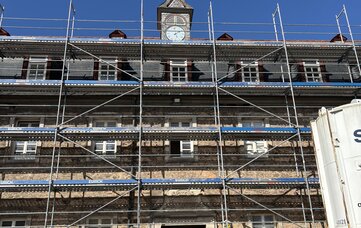
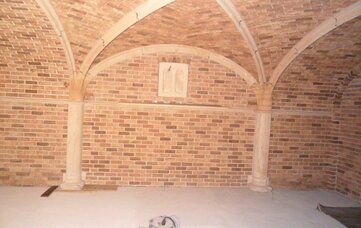
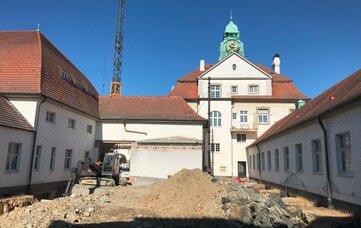
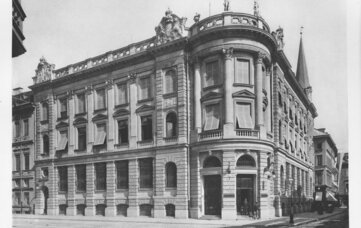
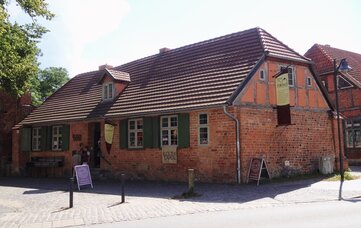
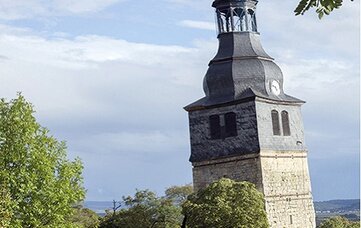
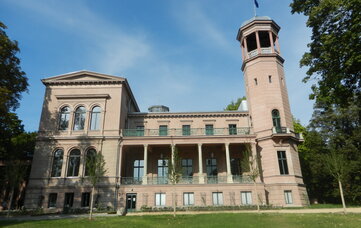
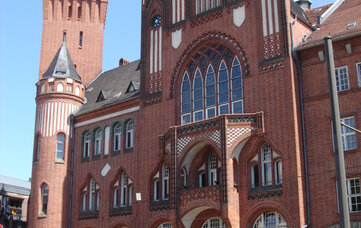
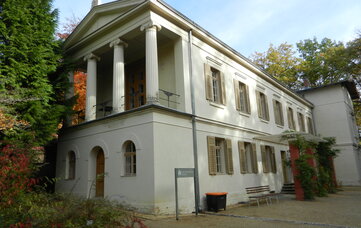
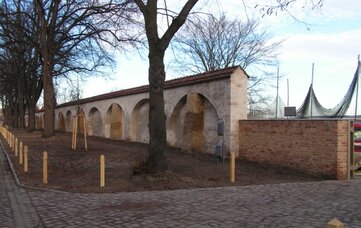
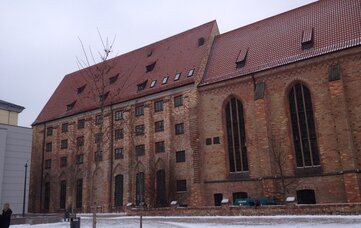
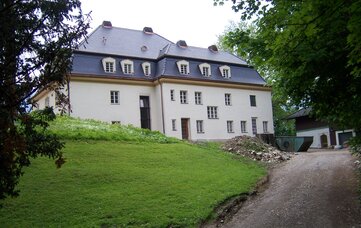
The former Franciscan monastery of St. Johannis in Kyritz was founded in the second half of the 13th century and shaped the town’s religious and social life for centuries. In its heyday, the monastery was of national significance and was supported by, among others, margrave officials and wealthy citizens. After the monastery was dissolved in 1541, the grounds were partially used as a poorhouse; later, large parts of the complex fell into disrepair. The preserved cloister wing is now part of a comprehensive development plan for the Kyritz Monastery Quarter cultural site.


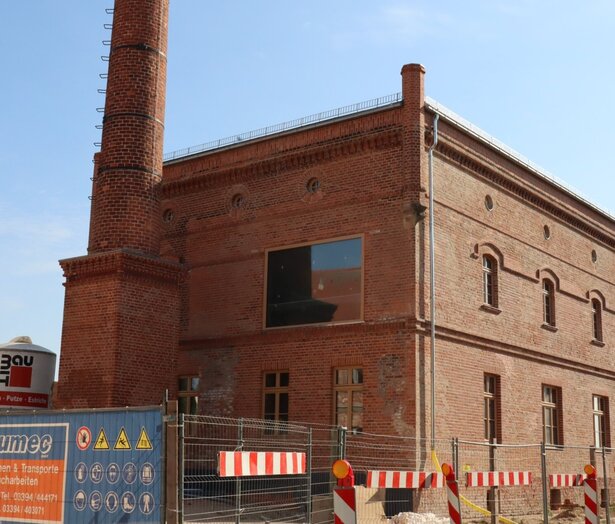
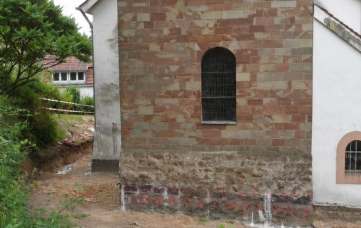
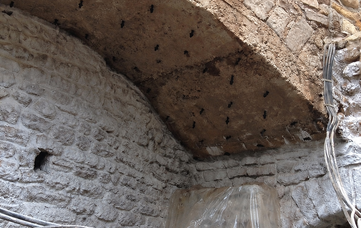
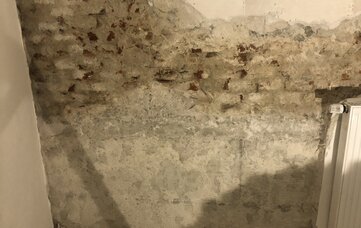
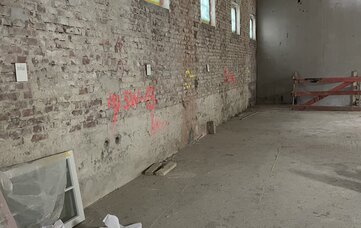
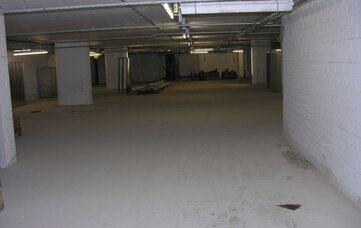
As part of the renovation of several historic buildings, various measures were carried out for waterproofing, masonry repair, and structural reinforcement. The exterior basement walls, constructed of fieldstone masonry, were treated with WEBAC 5611 from the inside and, in some cases, from the outside as well. In this area, the bitumen-acrylate dispersion serves both to waterproof the surface and to protect the subfloor in the basement.
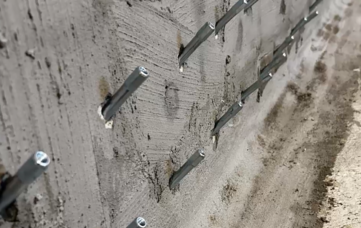
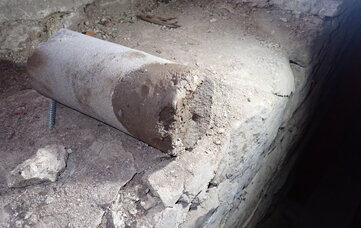
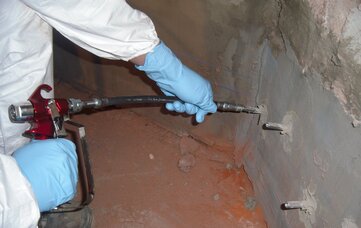
Areas that could not be exposed from the outside were secured with vertical barriers. For this purpose, WEBAC 1403 was injected to specifically reduce moisture penetration into the masonry. In adjacent brick masonry areas, a post-construction damp proof course (dpc) was additionally installed using WEBAC 1403. This measure provides permanent protection for the base area against rising damp.
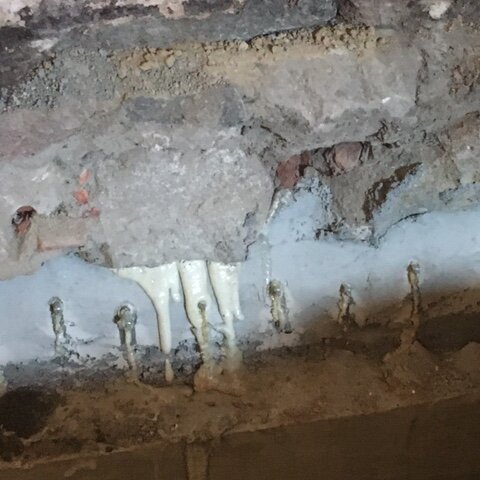
WEBAC 1660 was injected at the interface between the historic fieldstone masonry and the adjacent new concrete sections. The injection serves both to waterproof the structure and to create a structurally effective bond between the different building components. Through the combination of surface waterproofing, vertical barriers, a post-construction damp proof course (dpc), and structural injection, the historic building fabric is structurally secured and prepared for the future use of the monastery grounds.
PU Injection Resins
WEBAC 1403 is a long-track-record proven PU injection resin, particularly valued for its safe and controlled application. Upon contact with water, it cures into a closed, waterproof, and dimensionally stable resin with a fine pore structure. It is suitable for sealing, crack injection, and stabilizing masonry and concrete, and is used for post-construction damp proof courses (dpc) against capillary rising damp.
Dispersion for Walls and Floors
WEBAC 5611 is a reactive bitumen-acrylate dispersion that adheres well to a wide variety of substrates and has crack-bridging properties. The hydrophobic effect of the bitumen component creates a waterproof seal with reliable protection against leaching by salts harmful to structures. This makes WEBAC 5611 suitable for surface waterproofing against hydrostatic pressure in building construction, civil engineering, and historic preservation.


Get information now for users of products containing diisocyanates.