PU Injection Resins
WEBAC® 1403
- Classic Line
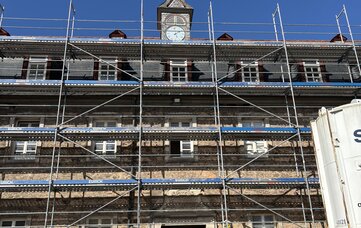
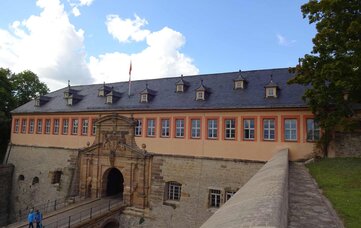
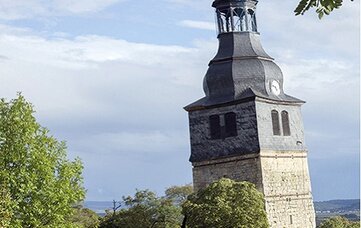
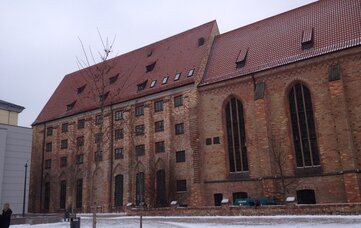
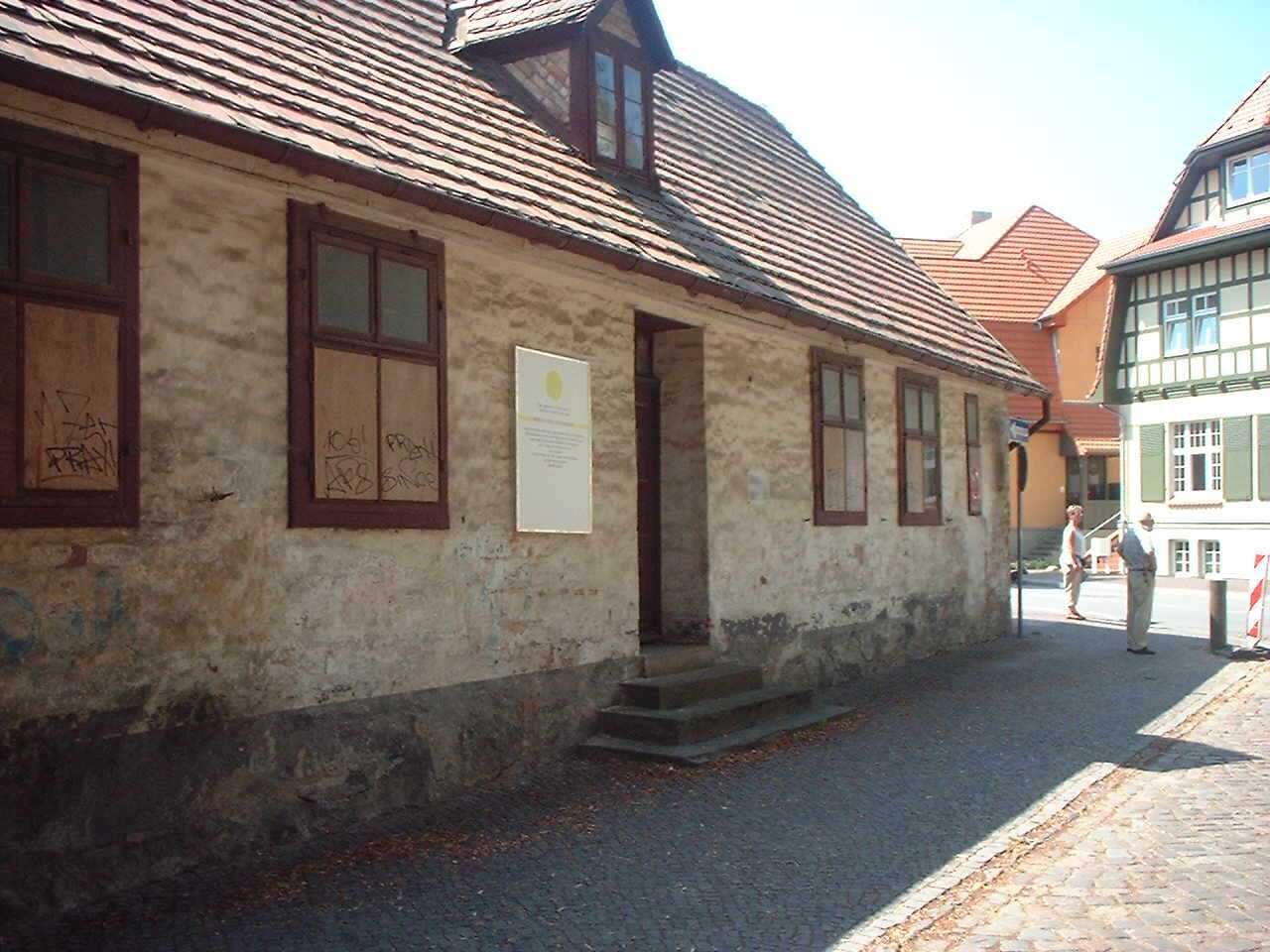
The monastery complex in Bad Doberan is one of the most important medieval buildings of North German Brick Gothic architecture. The complex is surrounded by a 1.4 km long curtain wall, which can be accessed through four gates.
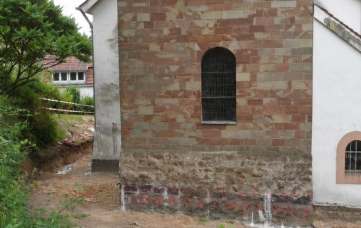
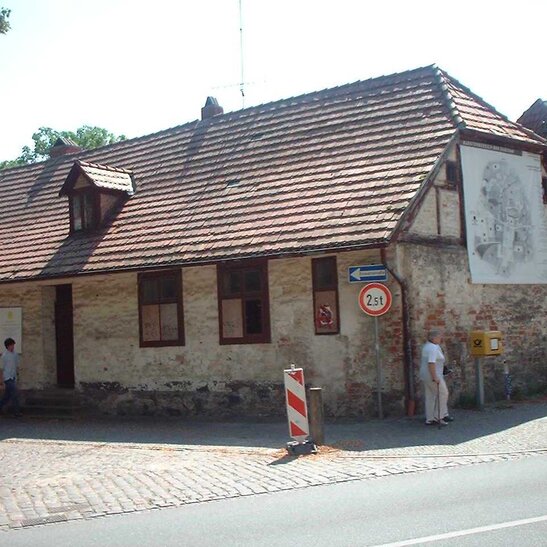
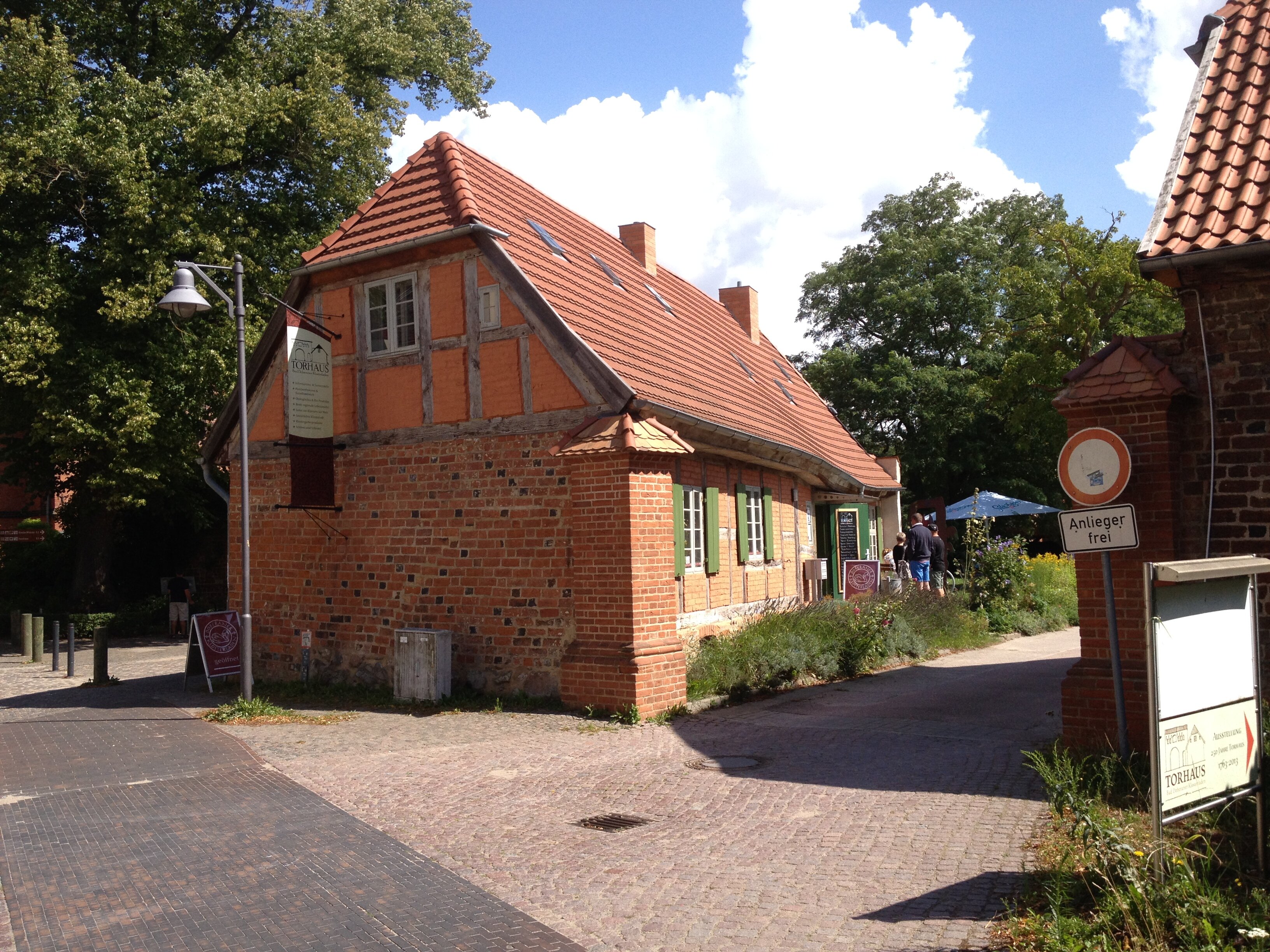
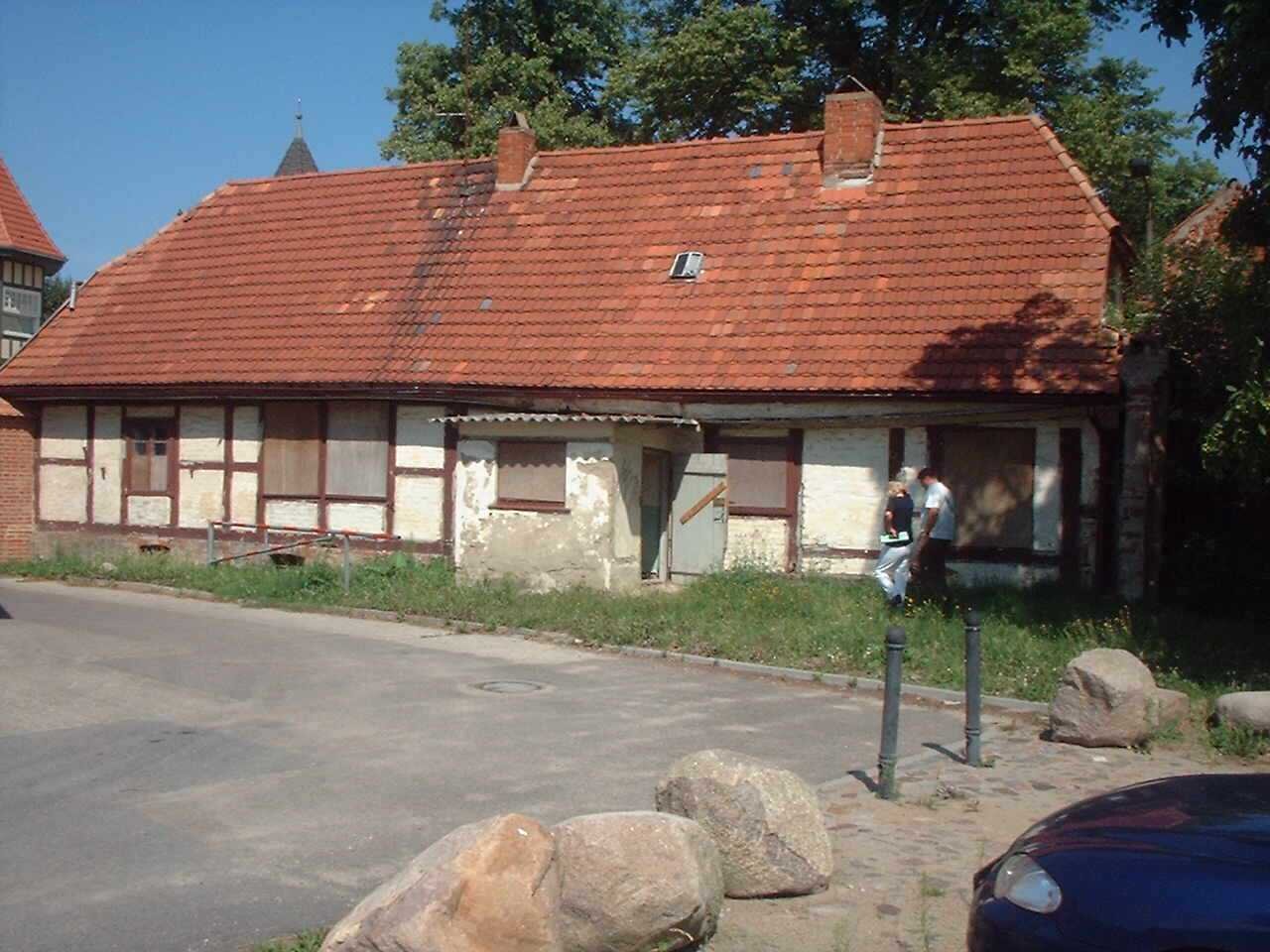
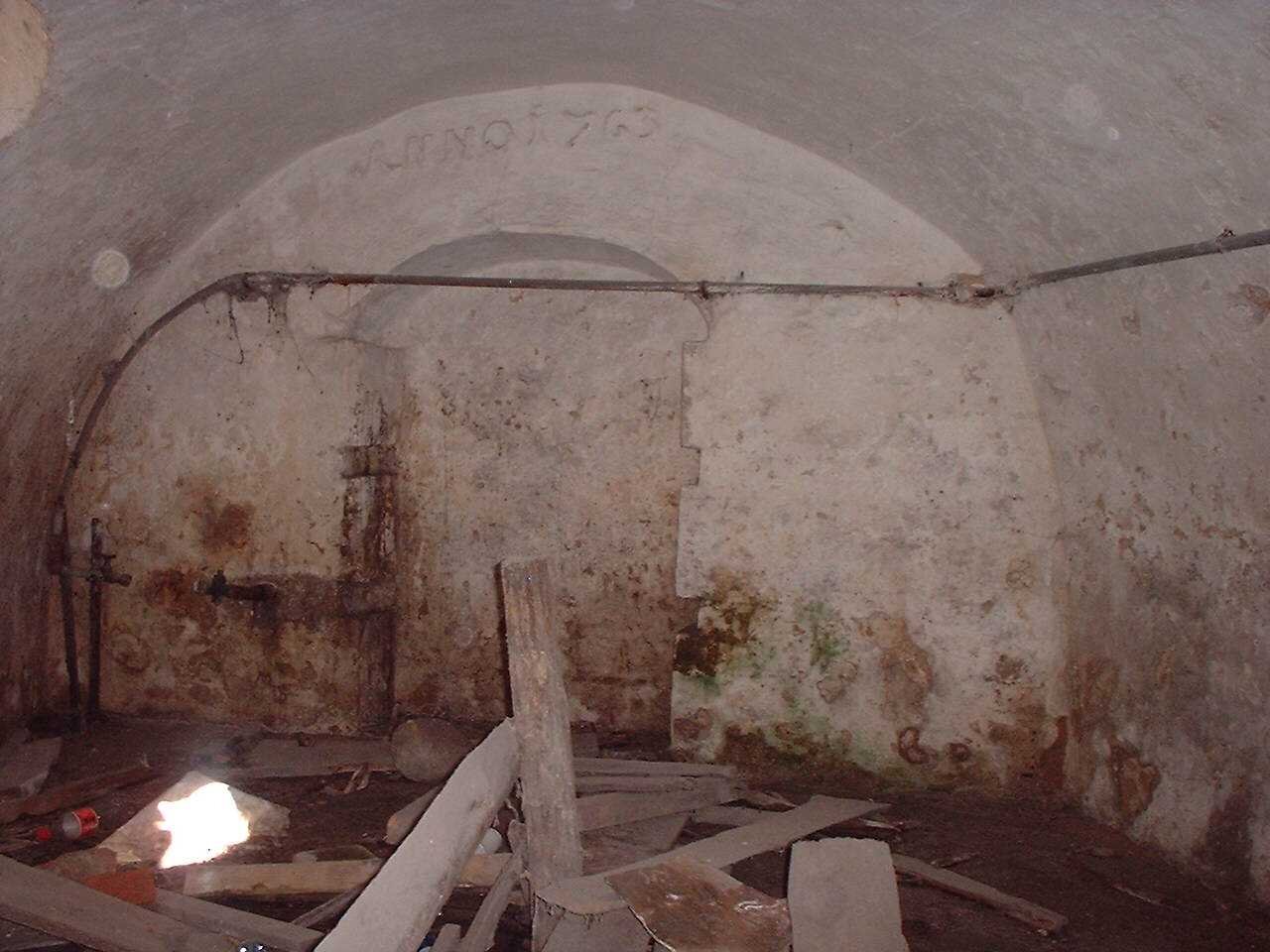
The gatehouse, located at the west gate of the complex, was built in the 13th century and took on its current form in 1763. Due to its historical significance and continuous exposure to moisture, extensive renovation was necessary.


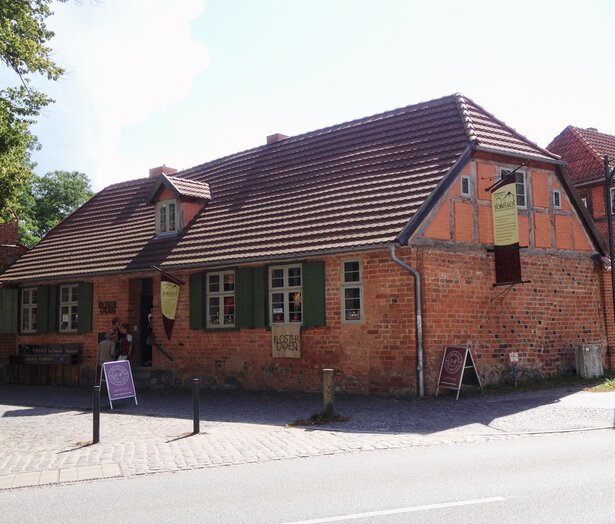
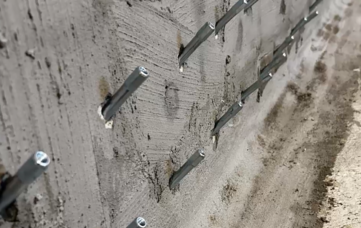
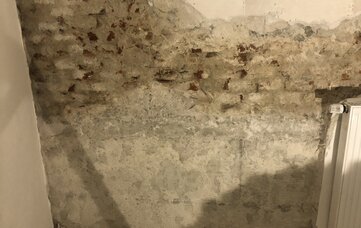
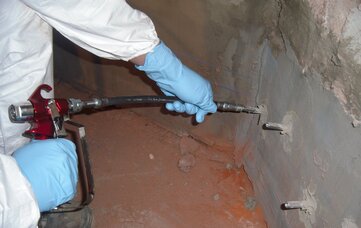
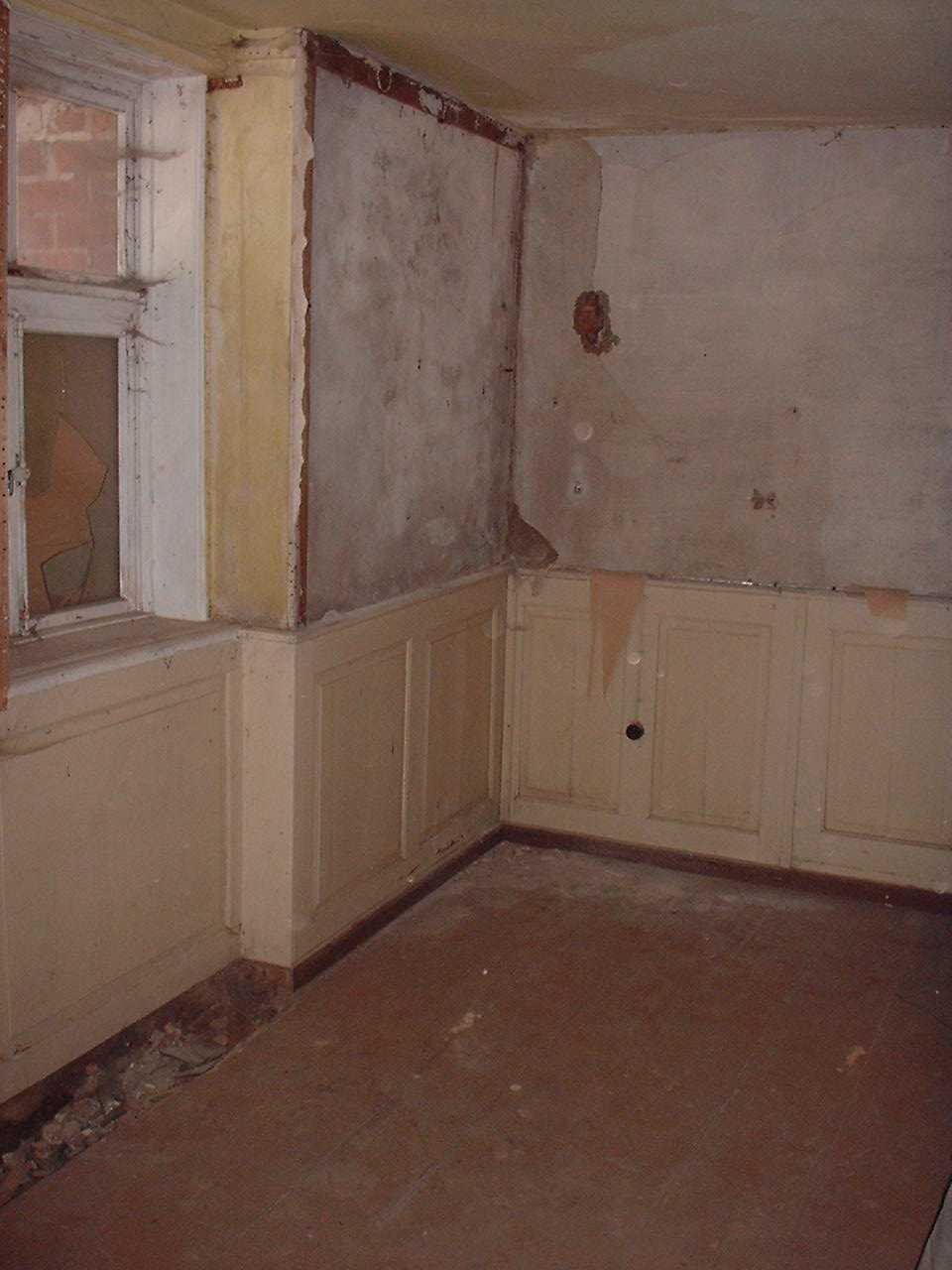
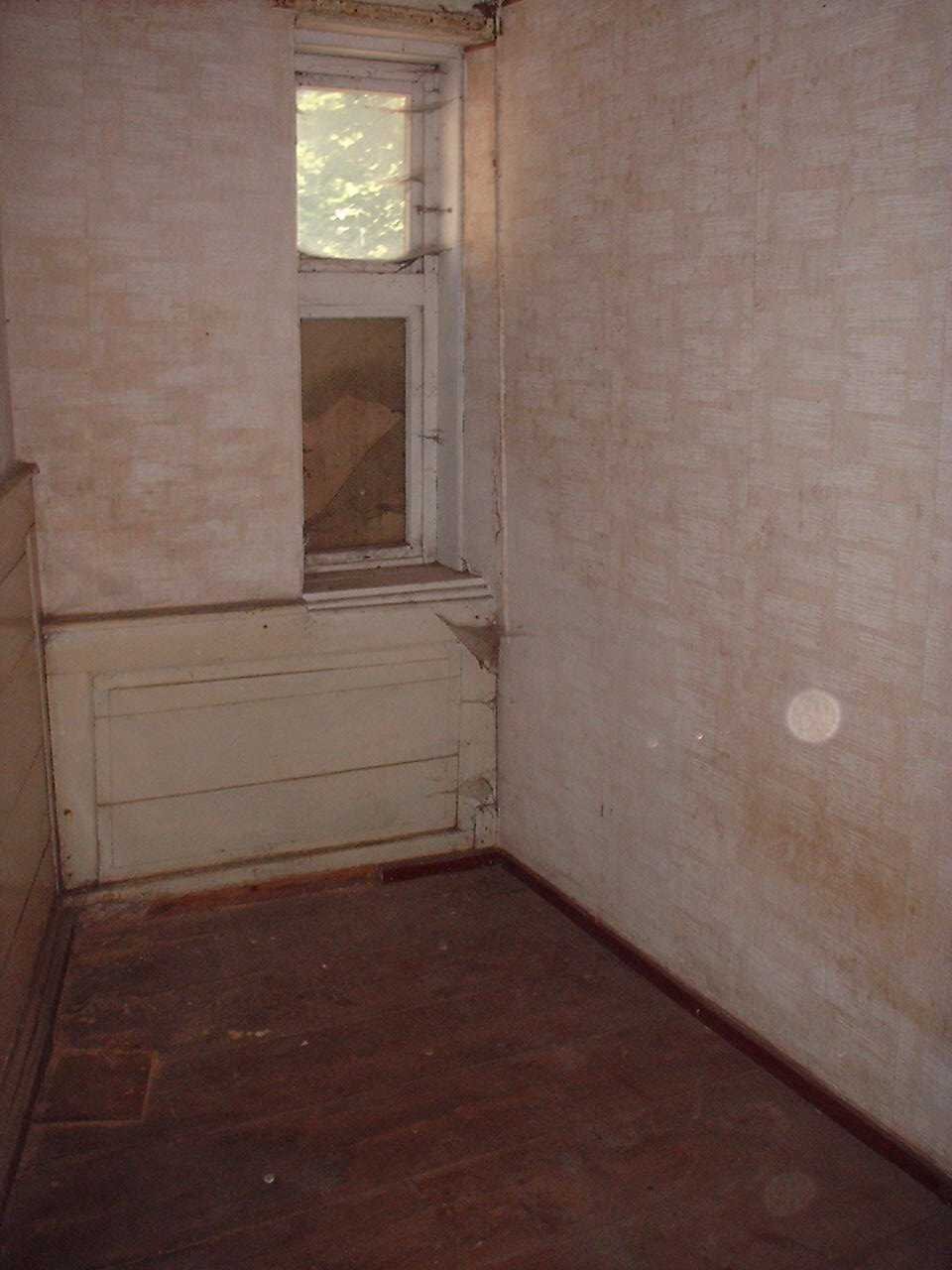
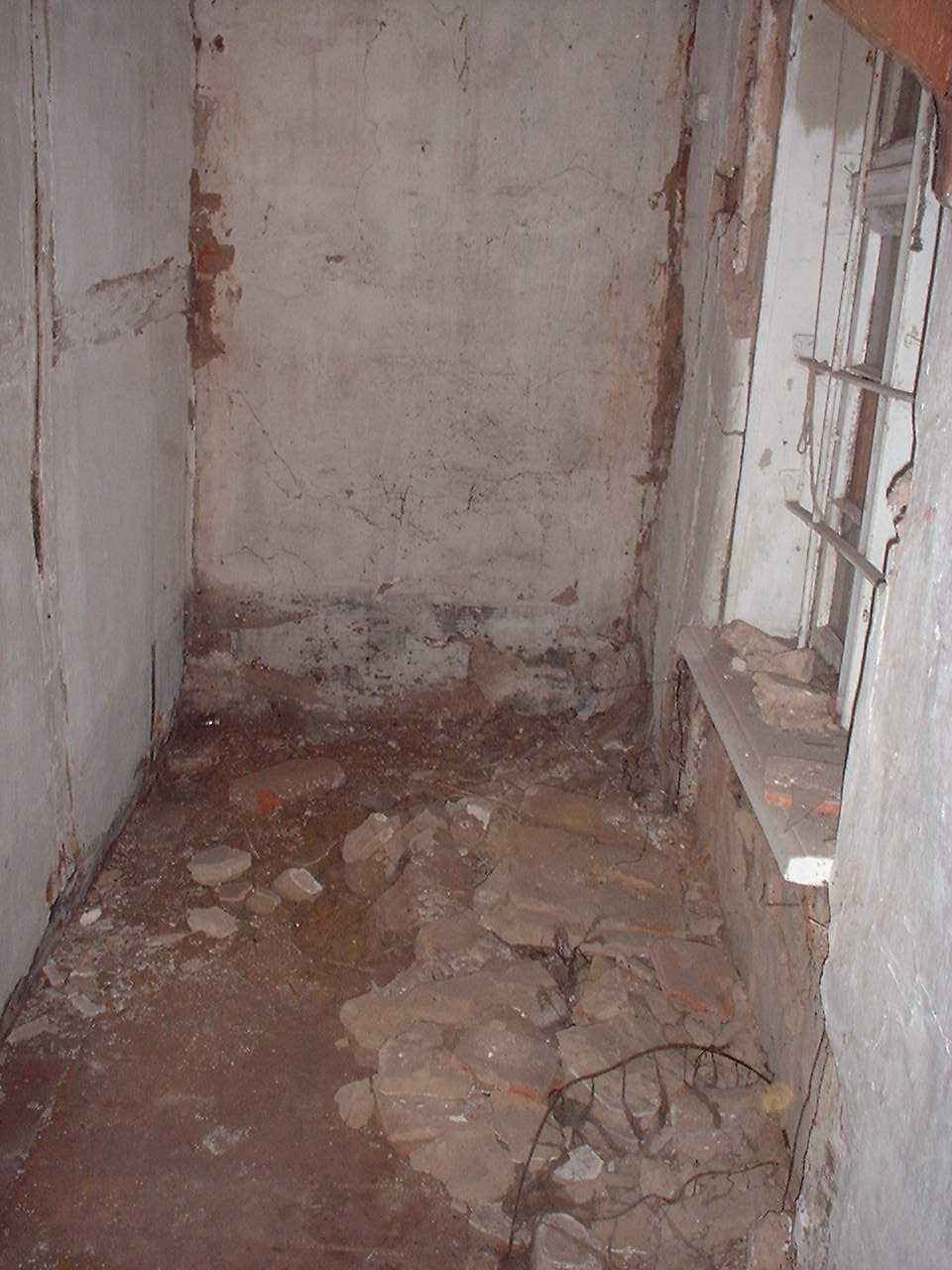
The gatehouse of the Cistercian monastery in Bad Doberan was severely affected by rising damp, one of the most common causes of moisture penetration in masonry. The most effective method for repairing the damage involves blocking capillary action in a layer of masonry by installing a post-construction damp proof course (dpc) to prevent the capillary absorption of water.
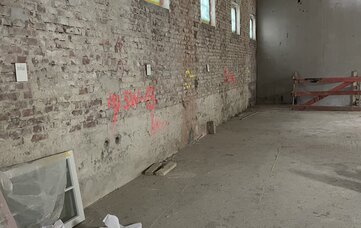
The gatehouse consists of an irregular natural stone base, followed by a short section of fissured masonry and brickwork. The wall thickness varies between 36 cm and 51 cm. The damp proof course had to be installed at floor level, which was partially interspersed with heavily fissured masonry. The waterproofing measures were carried out in two steps:
While this method has already proven itself with polyurethane resins under normal conditions, the question arose as to whether it could also be used on severely cracked, damp, and salt-contaminated masonry. This issue was investigated as part of the renovation by the Dahlberg Institute for Diagnostics and Repair of Historic Buildings (DIW) in Wismar.
The effects of the remediation measure were analyzed over a period of 42 months. The investigations were carried out:
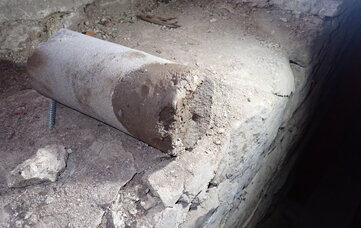
Brick drill samples (drill cores) measuring 3 to 8 cm in length were taken from three specified measurement axes. These were examined in the laboratory for the following parameters:
In addition, electrical moisture measurements were carried out to determine the moisture distribution in the masonry. The investigations confirmed that the post-construction damp proof course (dpc) with WEBAC PU injection resin enabled effective sealing even at total moisture penetration levels of up to 99%.
These results prove the reliability of PU injection resins in the post-construction waterproofing of historic buildings and the long-term stabilization of the gatehouse.
PU Injection Resins
WEBAC 1403 is a long-track-record proven PU injection resin, particularly valued for its safe and controlled application. Upon contact with water, it cures into a closed, waterproof, and dimensionally stable resin with a fine pore structure. It is suitable for sealing, crack injection, and stabilizing masonry and concrete, and is used for post-construction damp proof courses (dpc) against capillary rising damp.


Get information now for users of products containing diisocyanates.