Silicate Resins
WEBAC® 2061
- Classic Line
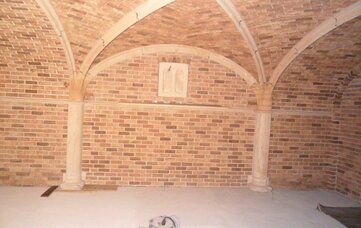
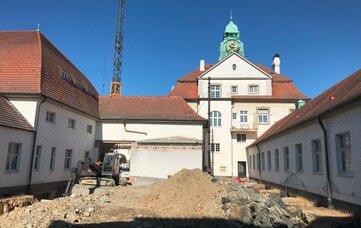
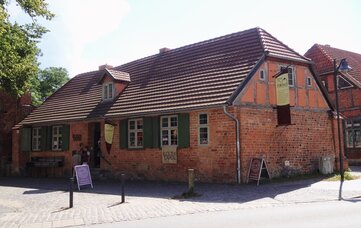
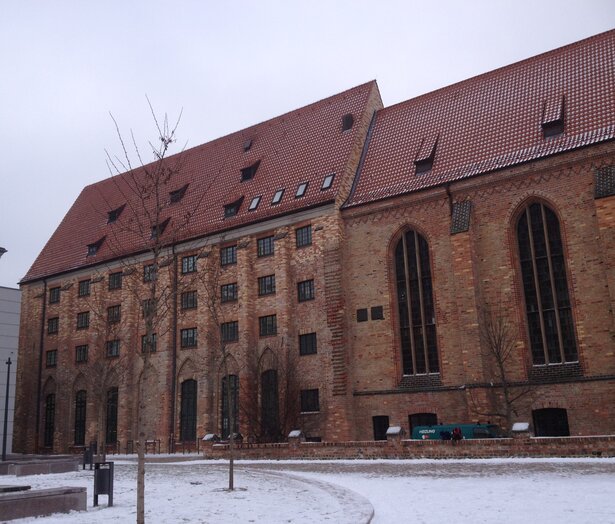
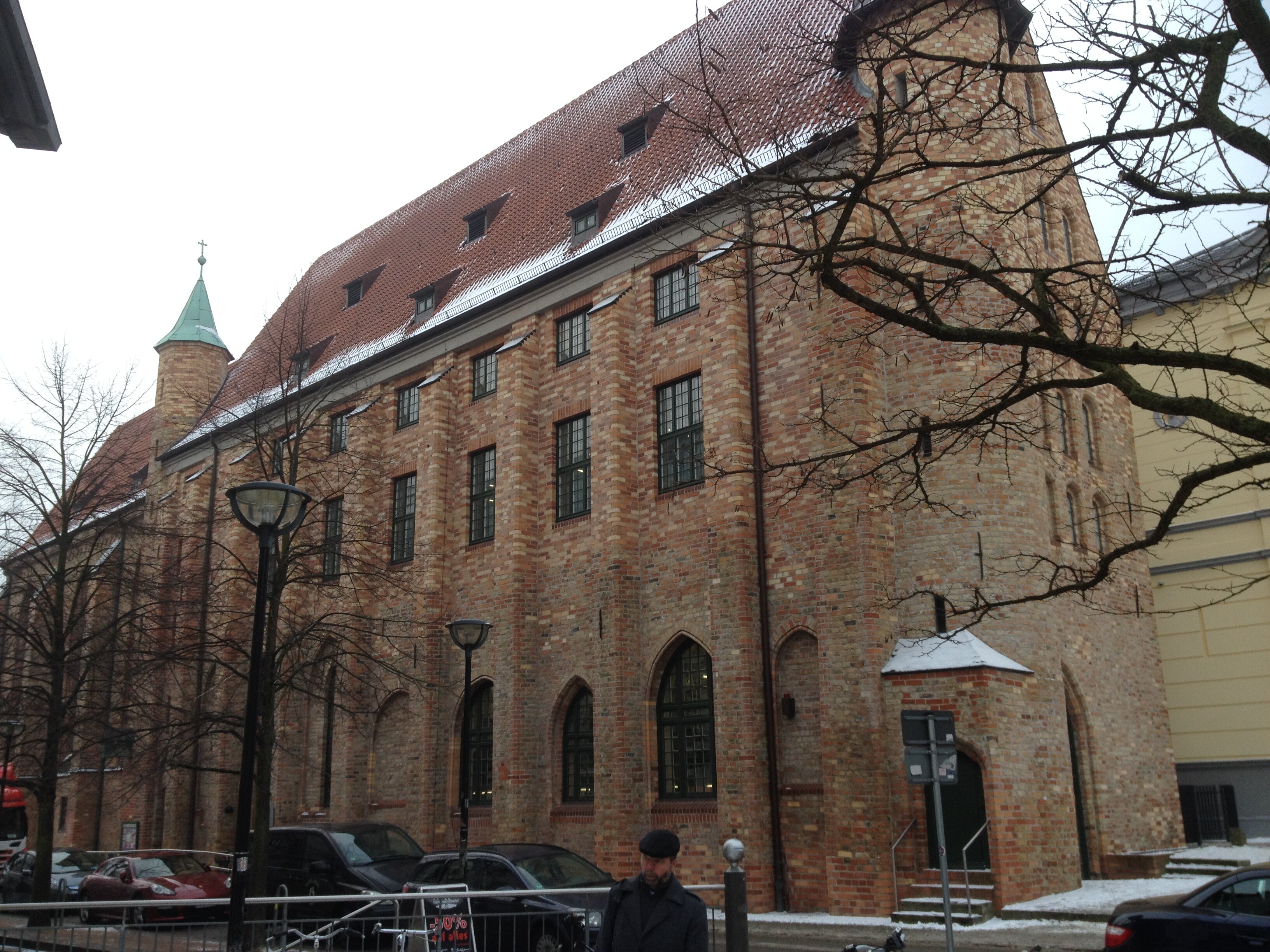
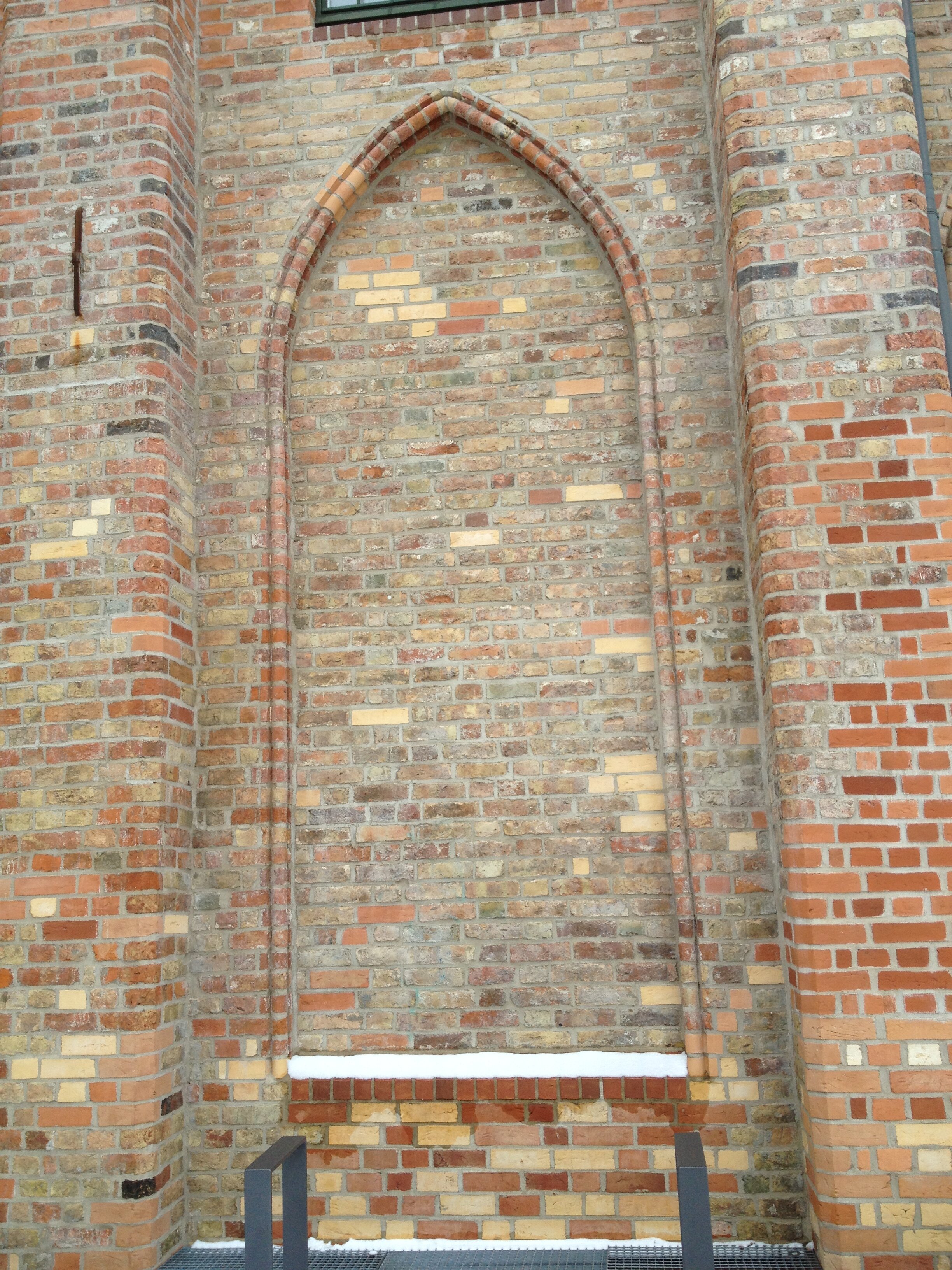
The Michaeliskloster monastery in Rostock looks back on over 500 years of history. Originally built in the late 15th century by the community of “Brothers for Common Life,” the complex has served a variety of purposes over the centuries: as a monastery, printing house, student dormitory, armory, wool and grain warehouse, and substation before its destruction in World War II.
Between 1480 and 1502, St. Michael's Church and the adjacent residential and workshop buildings were constructed. The brothers combined a spiritual way of life with education and social work. In 1476, the first book in Rostock was printed here – a significant step in the development of North German book culture. Today, the building continues to serve partly as a church and partly as a university library.


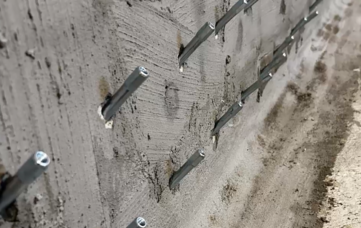
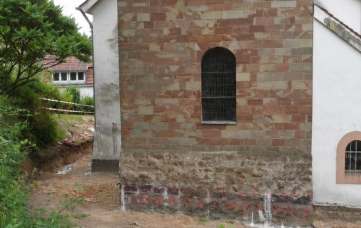
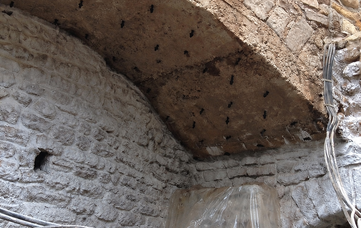
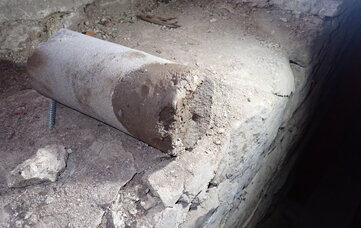
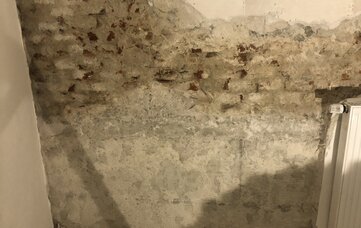
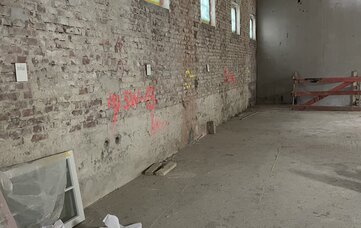
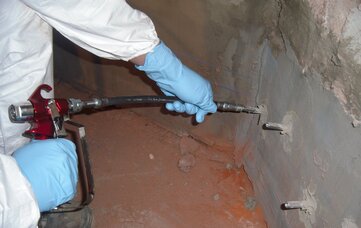
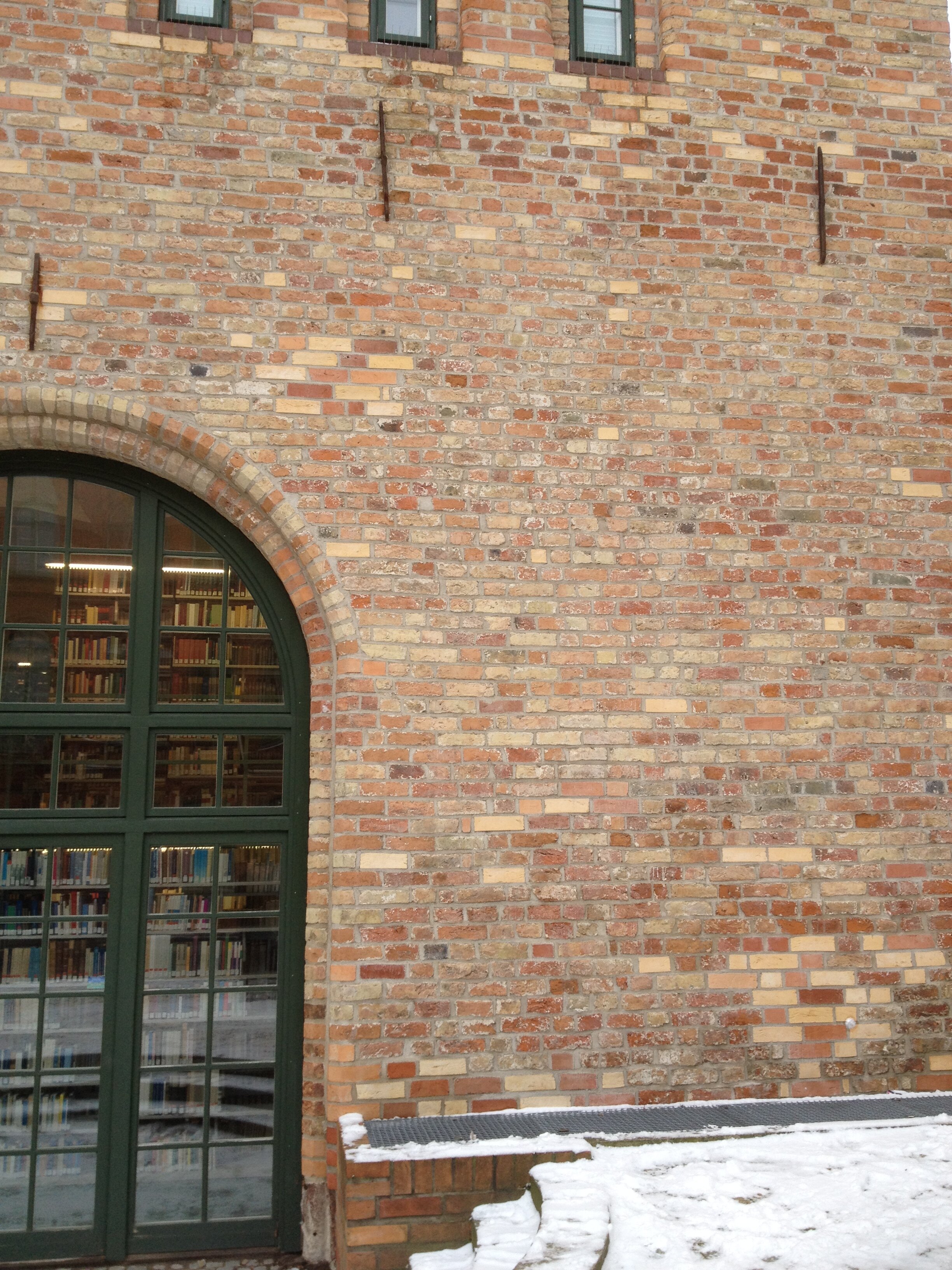
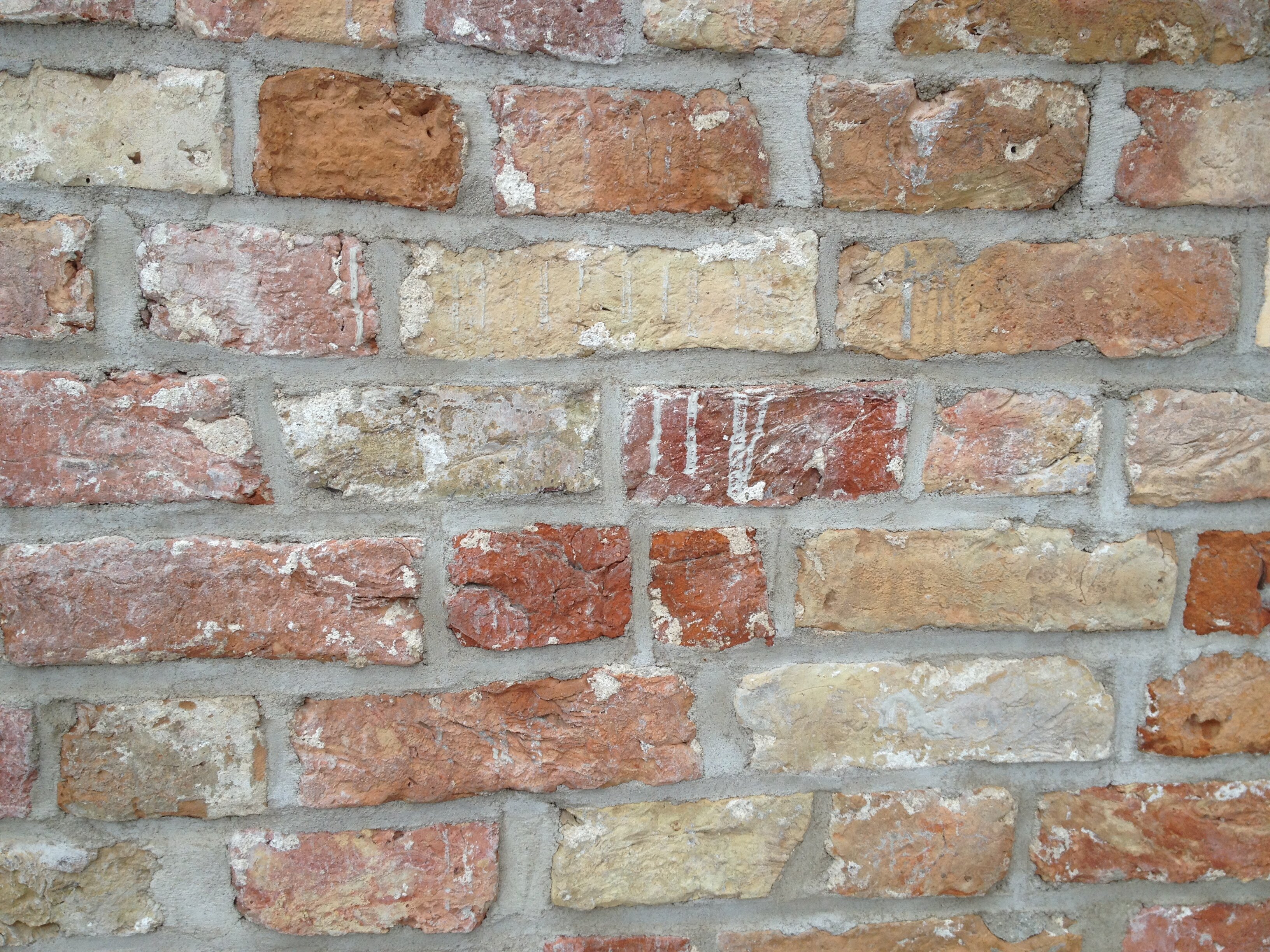
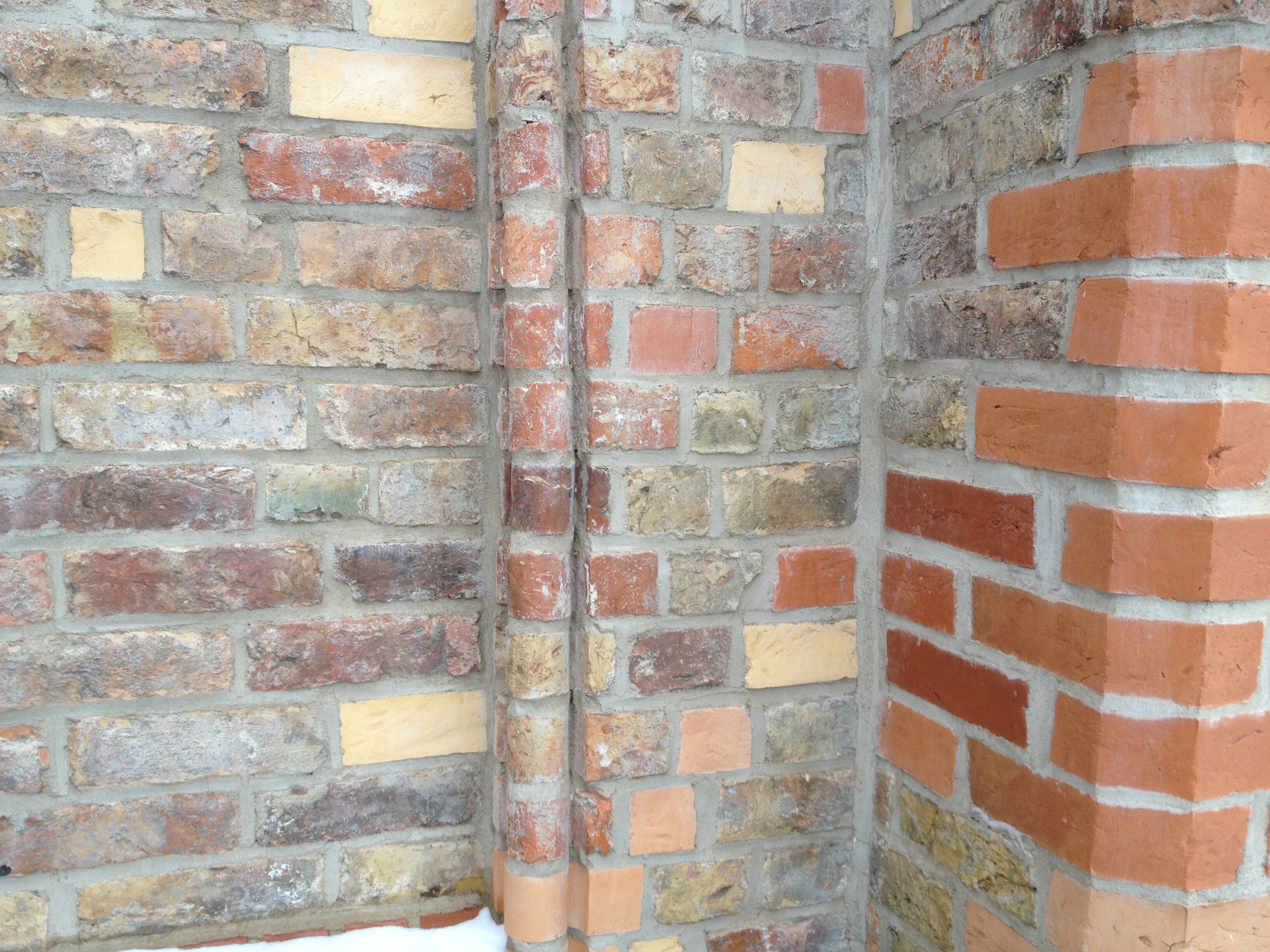
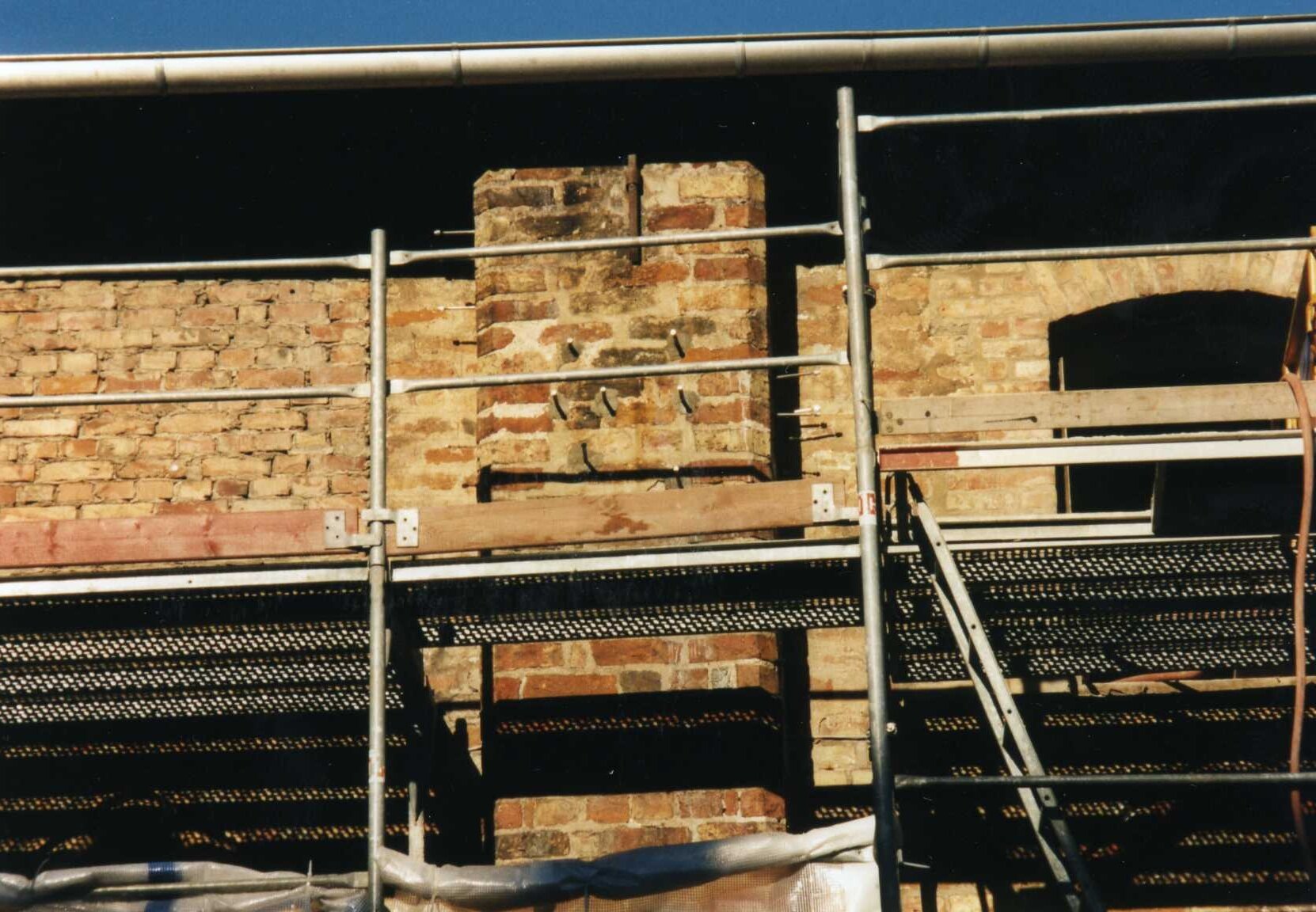
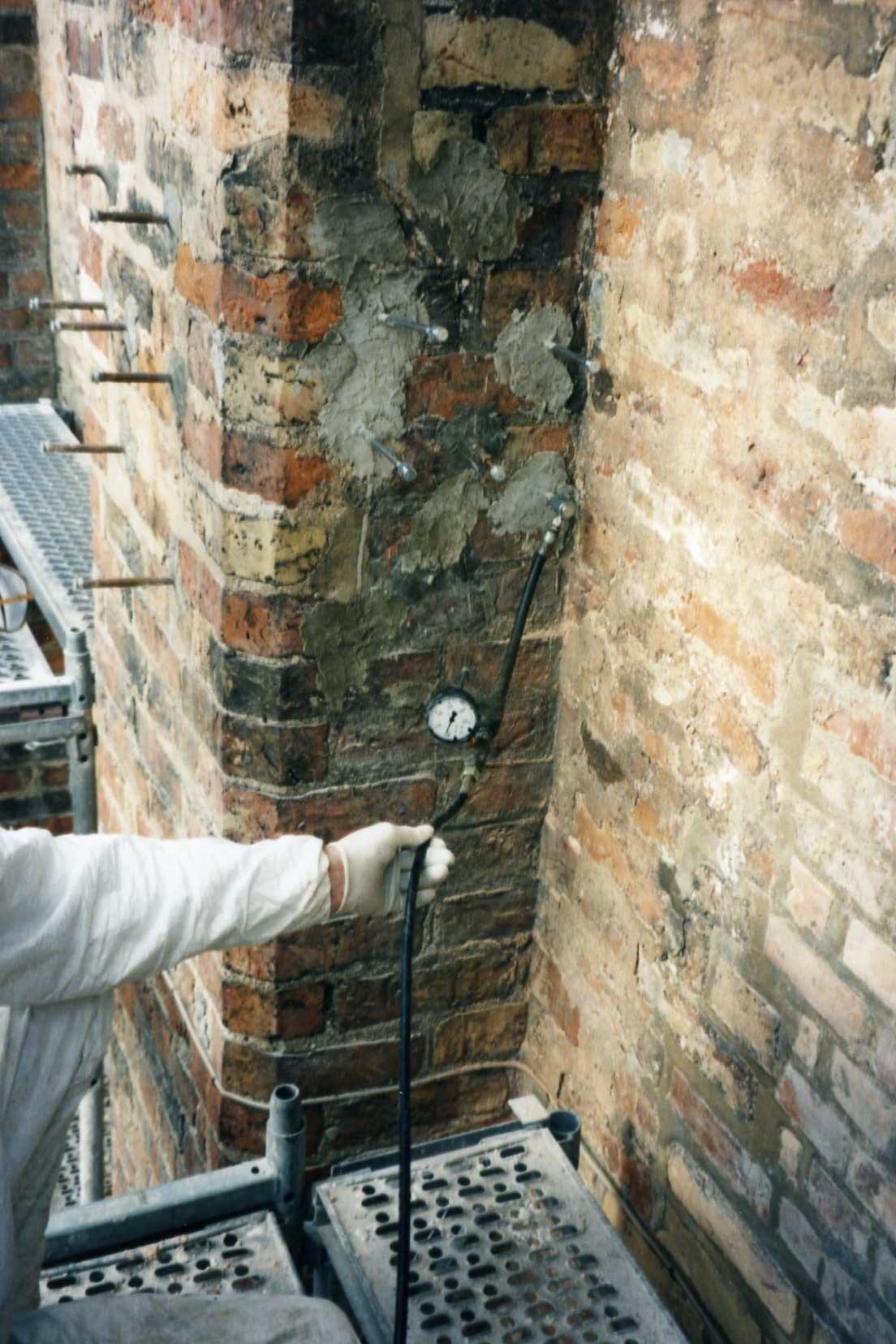
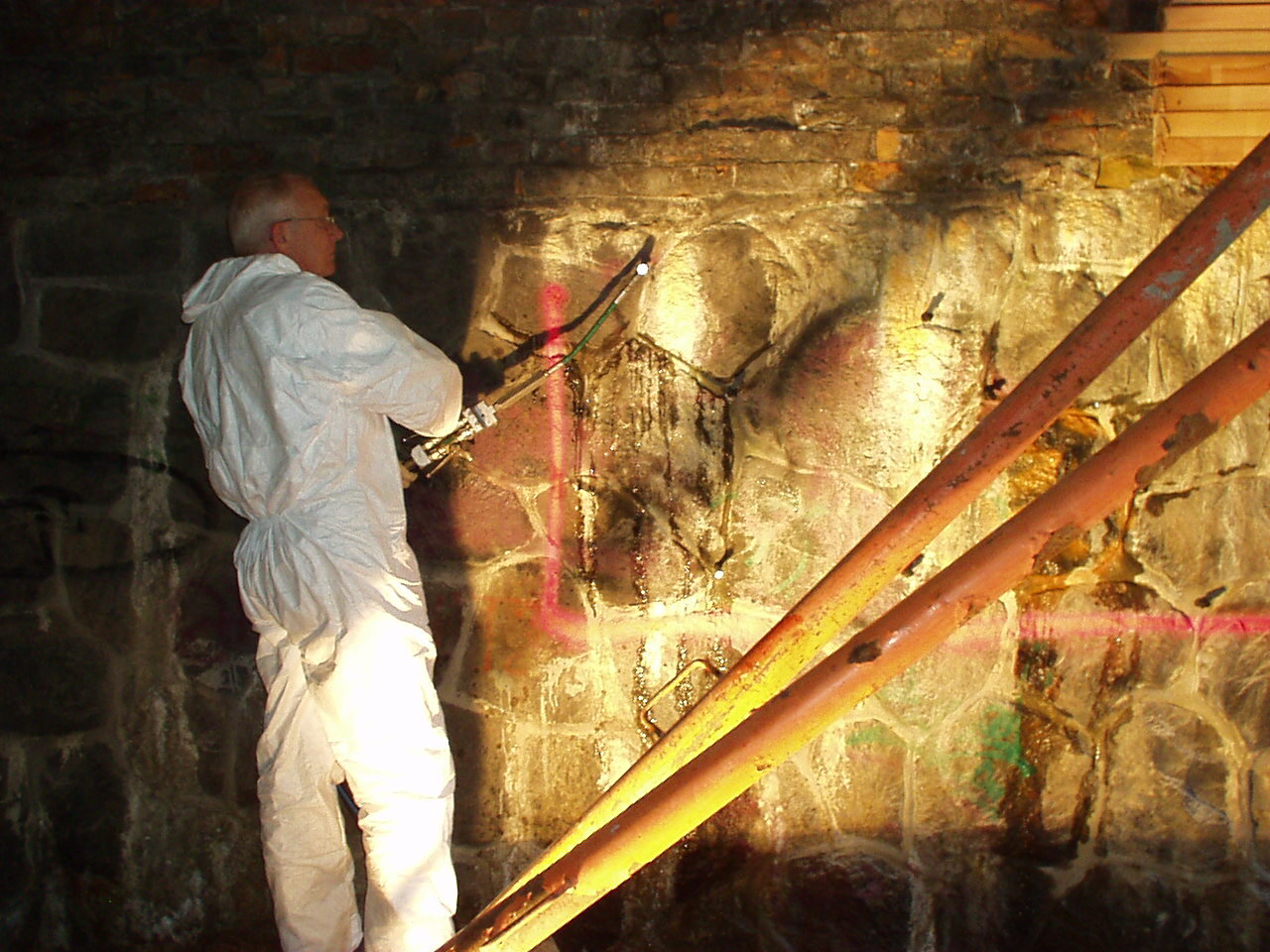
In the mid-1990s, it was determined that the load-bearing capacity of the historic masonry had been significantly reduced. Due to historic preservation requirements, strict conditions applied to the renovation regarding the choice of materials and construction methods. The solution employed was a targeted injection using the WEBAC 2061 silicate system, which has both a solidification and a water-repellent effect. This system was developed specifically for the project to achieve a structure-stabilizing effect without altering the external appearance of the masonry. The material was applied exclusively into the joint structure.
Tests conducted during and after the restoration confirmed uniform penetration of the partially inhomogeneous mortar as well as an increase in strength. These measures not only mechanically stabilized the damaged masonry but also protected it against moisture penetration. The system played a key role in restoring the load-bearing capacity of the historic building structure. Additionally, the hydrophobic effect protected the masonry from future moisture penetration and further structural damage.
Silicate Resins
WEBAC 2061 is a very low-viscosity, water-resistant silicate injection solution. It reacts to form a chemically resistant, solidified structure and is suitable for stabilizing and solidifying non-cohesive to weakly cohesive soils and masonry.


Get information now for users of products containing diisocyanates.