Dispersion for Walls and Floors
WEBAC® 5611
- Classic Line
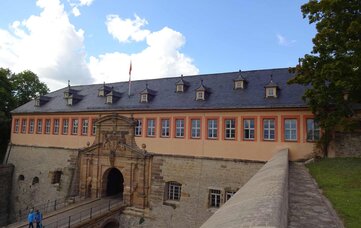
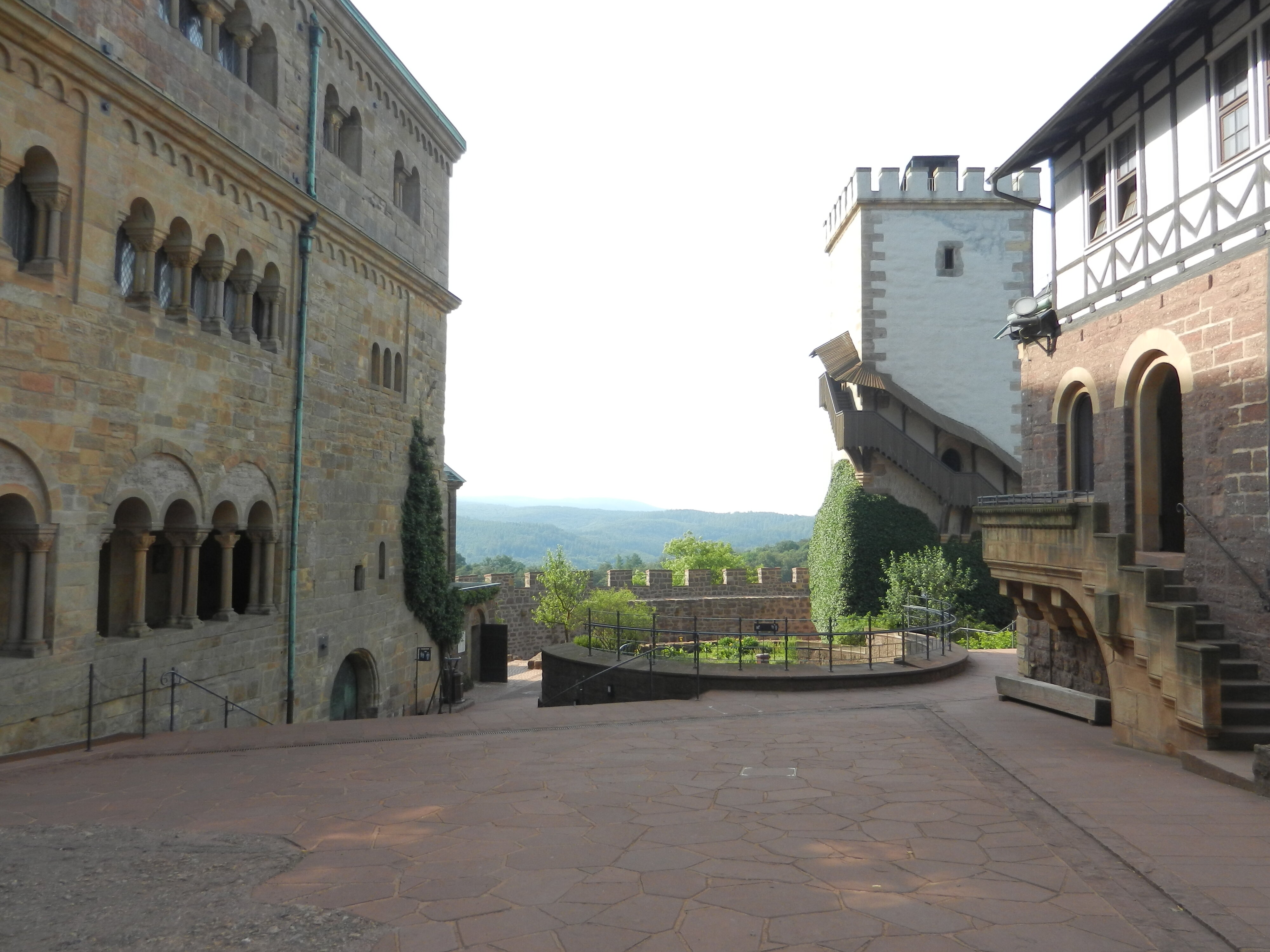
Wartburg Castle in Eisenach is one of the most important and best-preserved medieval castles in Germany. Its origins date back to 1067. Over the centuries, the castle was expanded to include architectural elements from the Romantic, Gothic, and 19th-century periods, developing into a sprawling castle complex.
Wartburg Castle is famous not only for its architectural history, but also for its role as a place of refuge for Martin Luther, who translated the New Testament into German here. Today, it is a protected cultural monument and part of the UNESCO World Heritage Site.


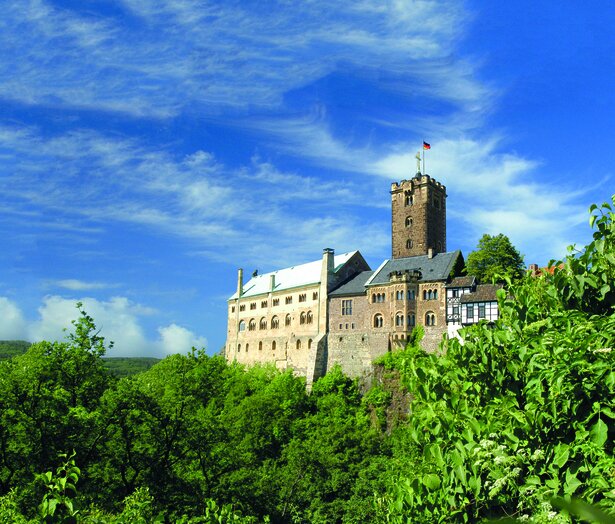
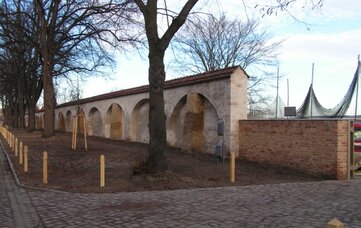
The approximately 800-year-old southern defensive wall of Wartburg Castle consists of large, dense natural stones whose mortar joints had weathered severely over the years. This damage allowed moisture to penetrate the masonry, especially in the bond zone between the natural stone and mortar. Water collected in the fissured interior, leading to extensive moisture penetration and damage caused by freeze-thaw cycles.
To improve the waterproofing of the structure in the long term, it was necessary to seal the joint areas close to the surface and the connection between the natural stone and mortar in such a way that surface water could no longer penetrate. At the same time, the requirements of monument protection had to be taken into account, especially with regard to the reversibility of the measure.
Sealing the joints against surface water and moisture penetration
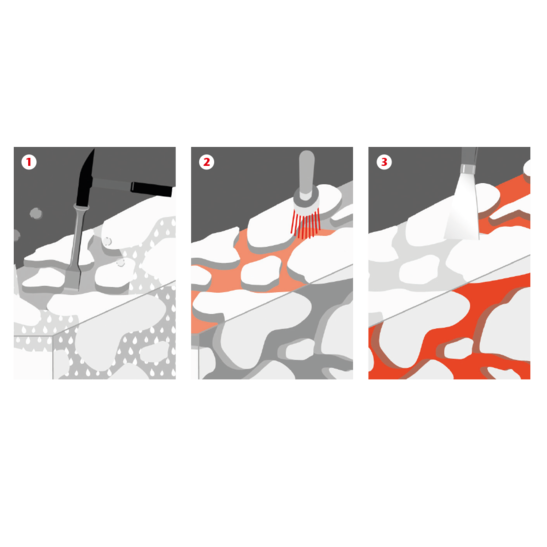
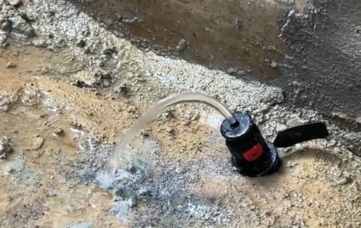
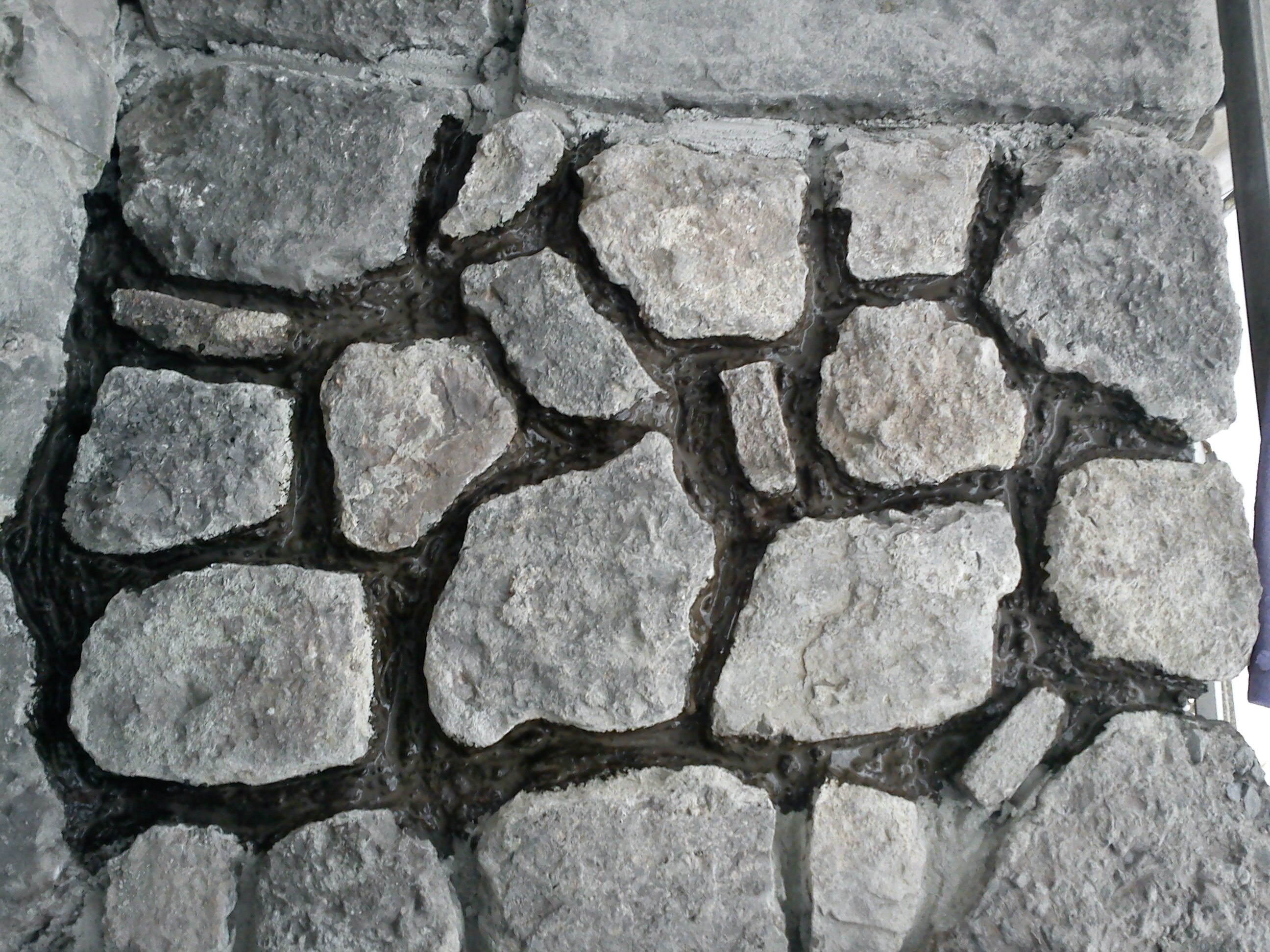
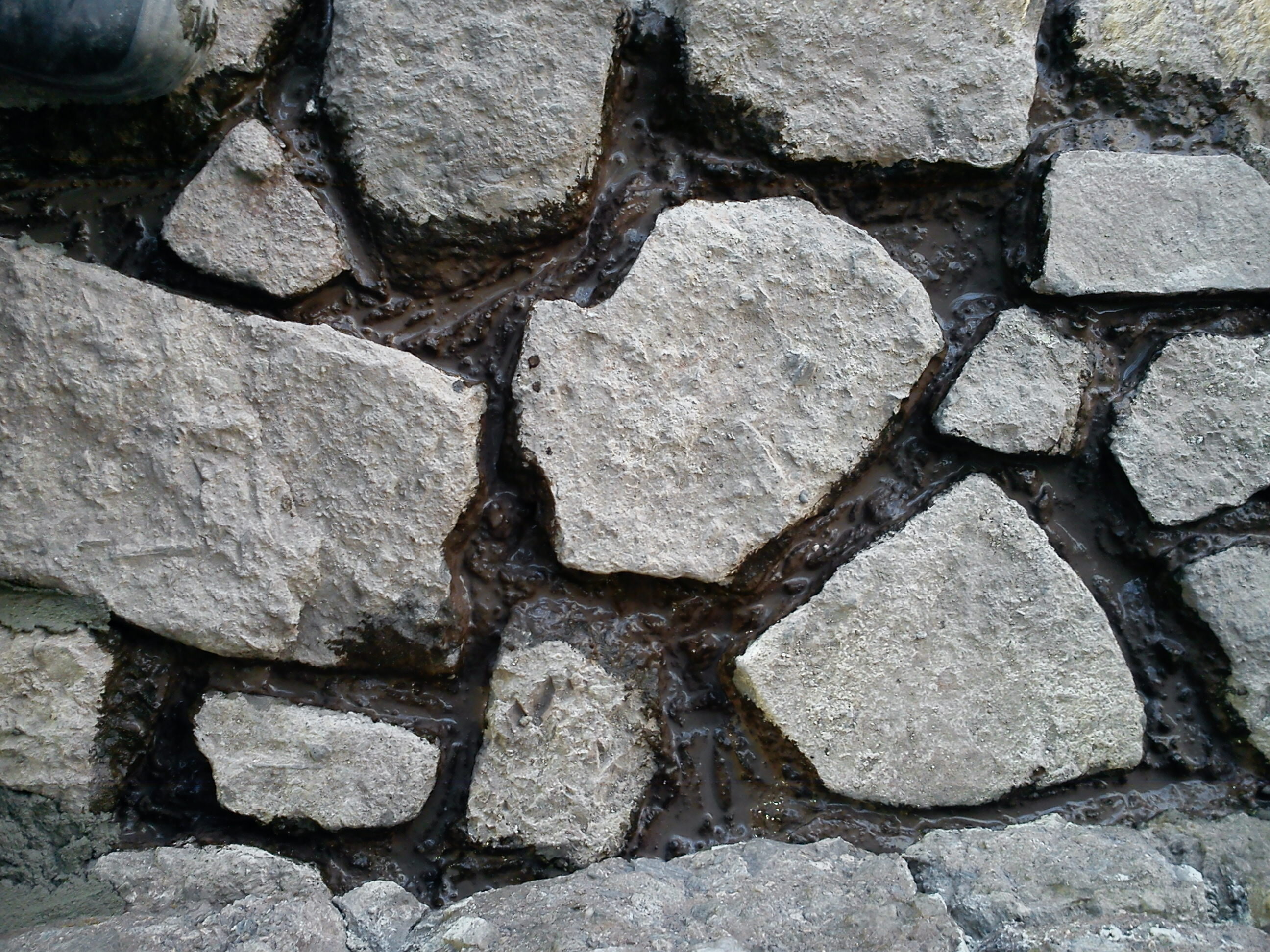
The solution was to use WEBAC 5611 bitumen-acrylate dispersion, whose suitability had been proven in advance by comprehensive preliminary tests. It also allows material stresses caused by temperature changes, for example, to be compensated.
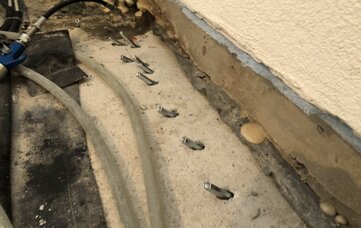
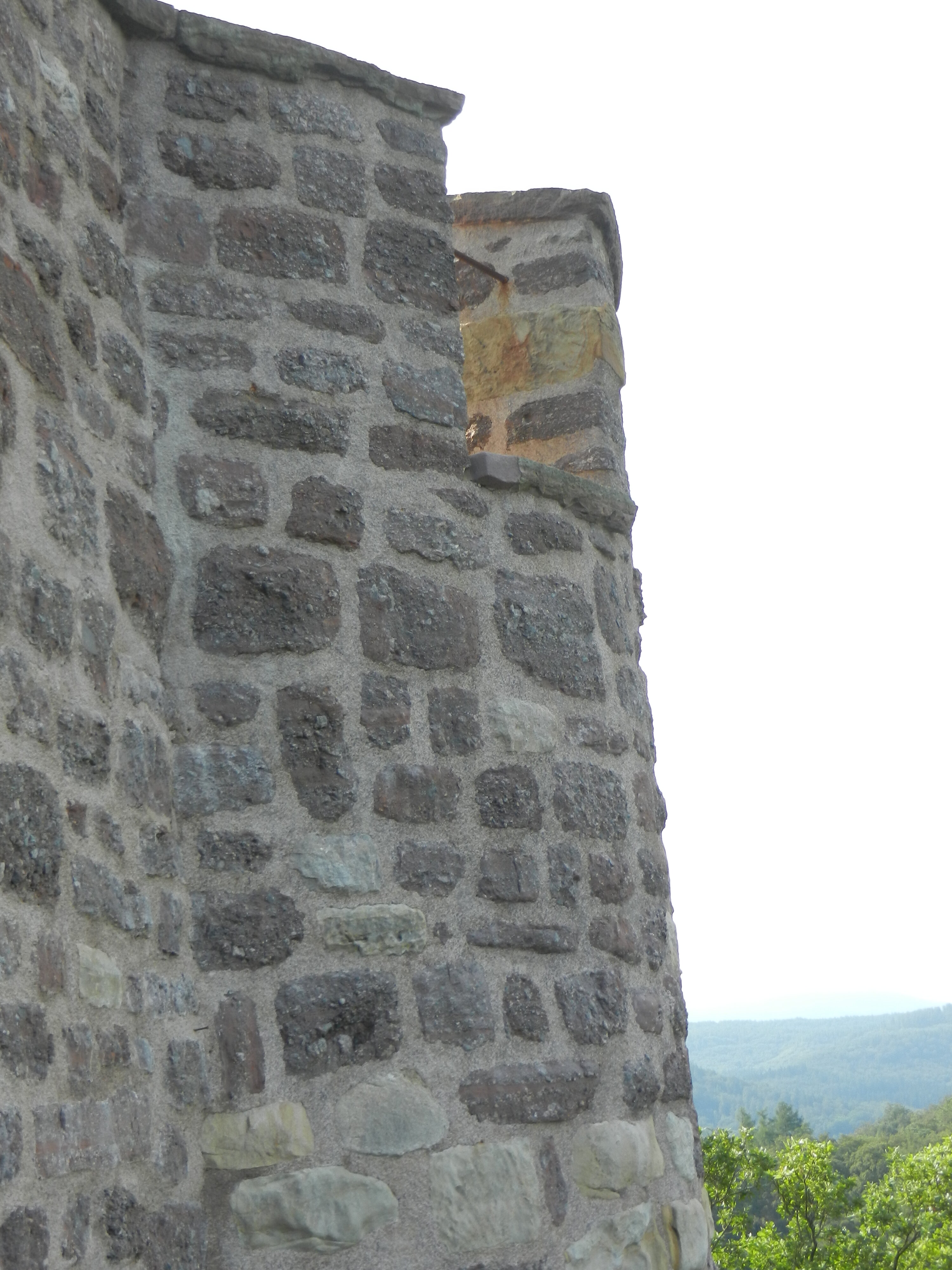
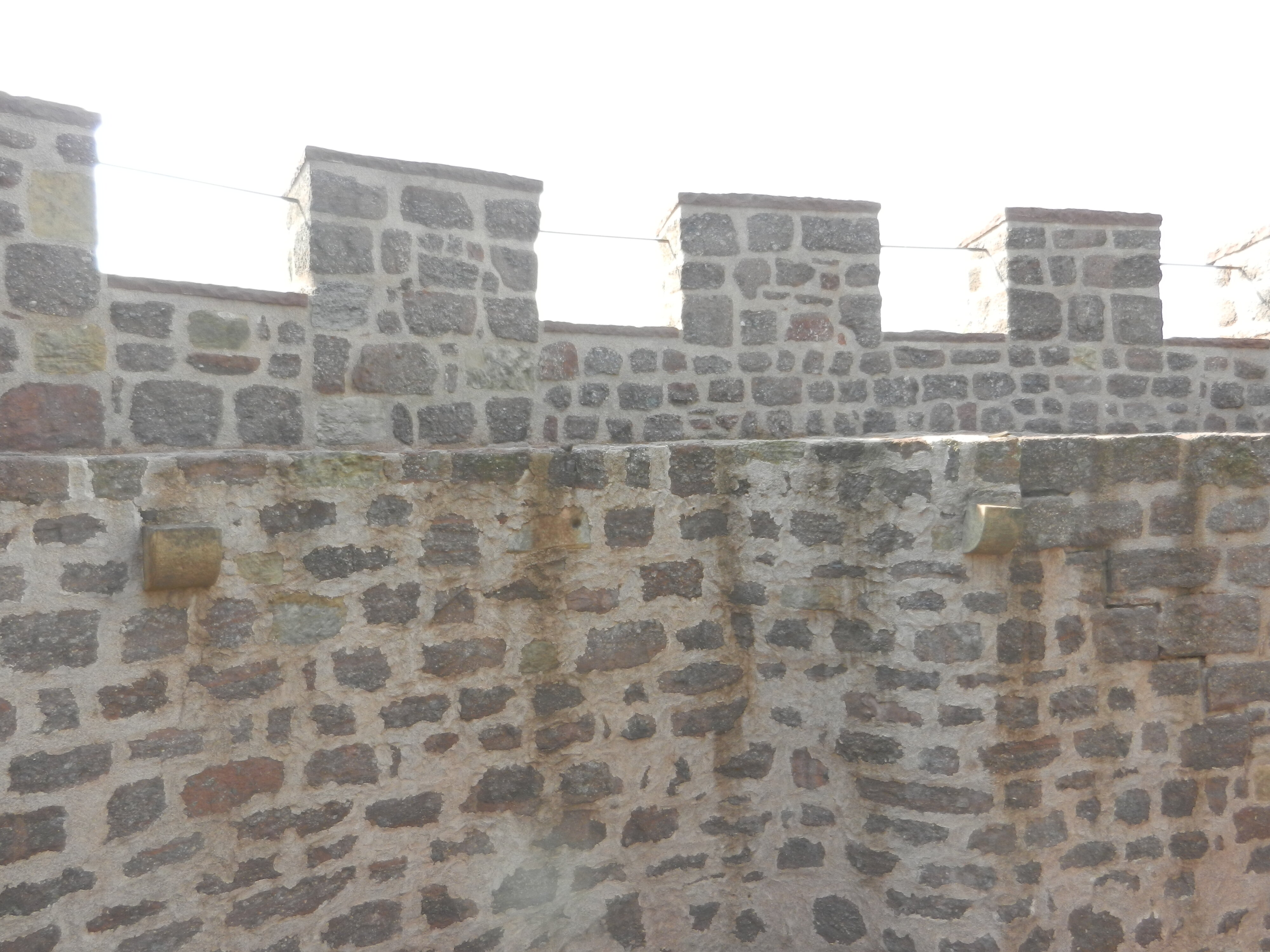
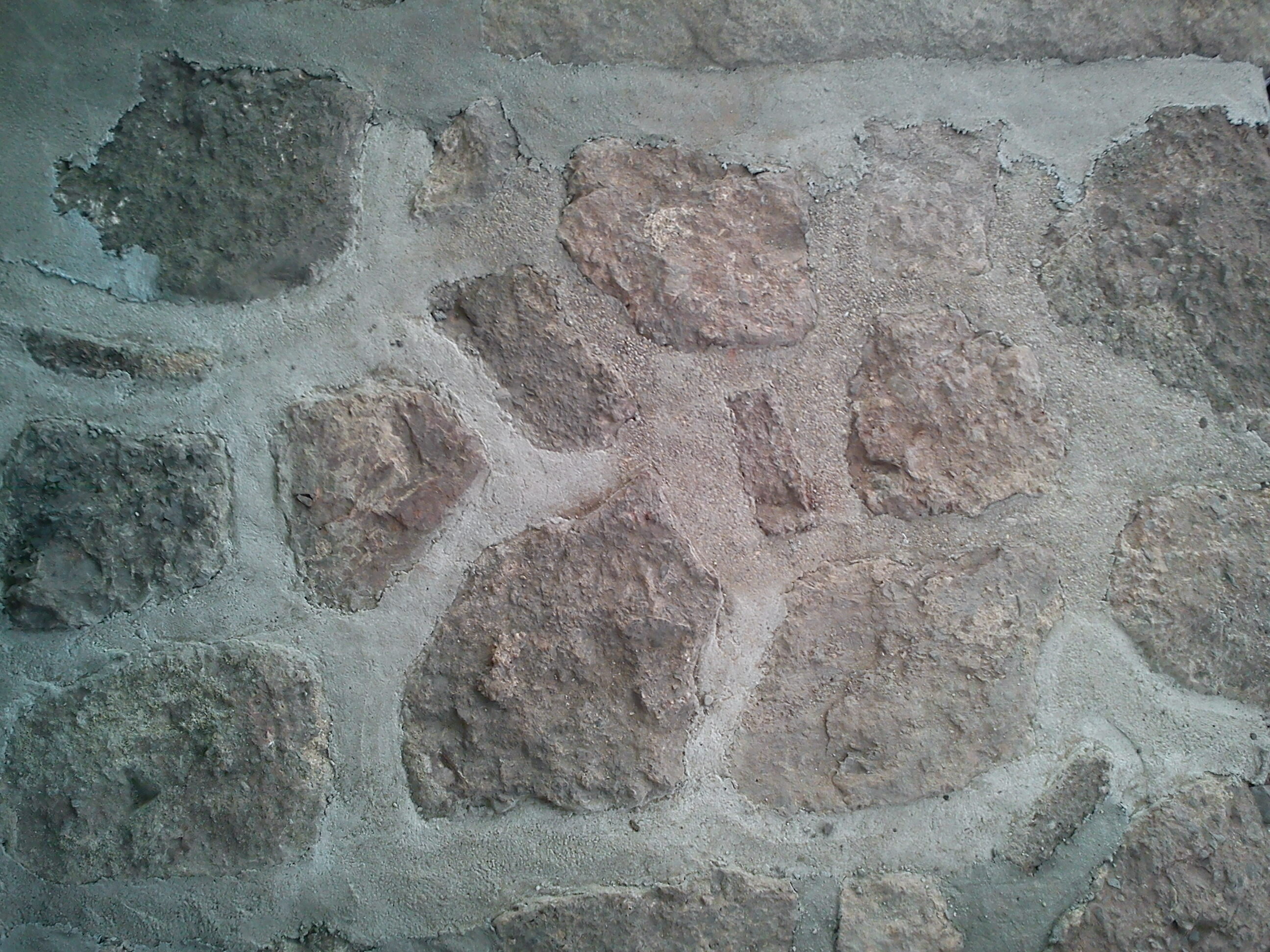
During the renovation, the damaged joint mortar was first removed to a depth of 3–5 cm. The joints were then sealed with WEBAC 5611 before the areas were closed with a new mortar suitable for historic buildings. This procedure resulted in a permanent seal of the composite zones without affecting the historic building fabric.
Dispersion for Walls and Floors
WEBAC 5611 is a reactive bitumen-acrylate dispersion that adheres well to a wide variety of substrates and has crack-bridging properties. The hydrophobic effect of the bitumen component creates a waterproof seal with reliable protection against leaching by salts harmful to structures. This makes WEBAC 5611 suitable for surface waterproofing against hydrostatic pressure in building construction, civil engineering, and historic preservation.


Get information now for users of products containing diisocyanates.