PU Injection Foam Resins
WEBAC® 150
- Classic Line
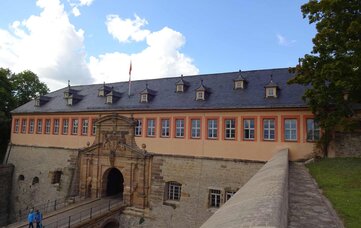
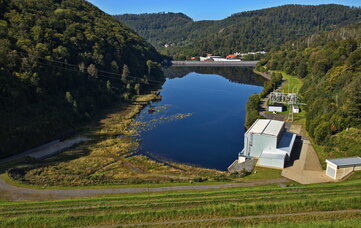
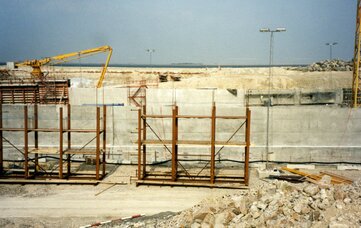
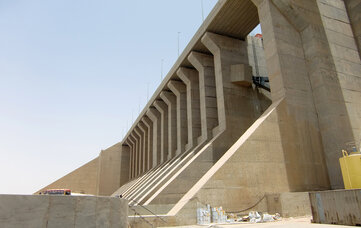
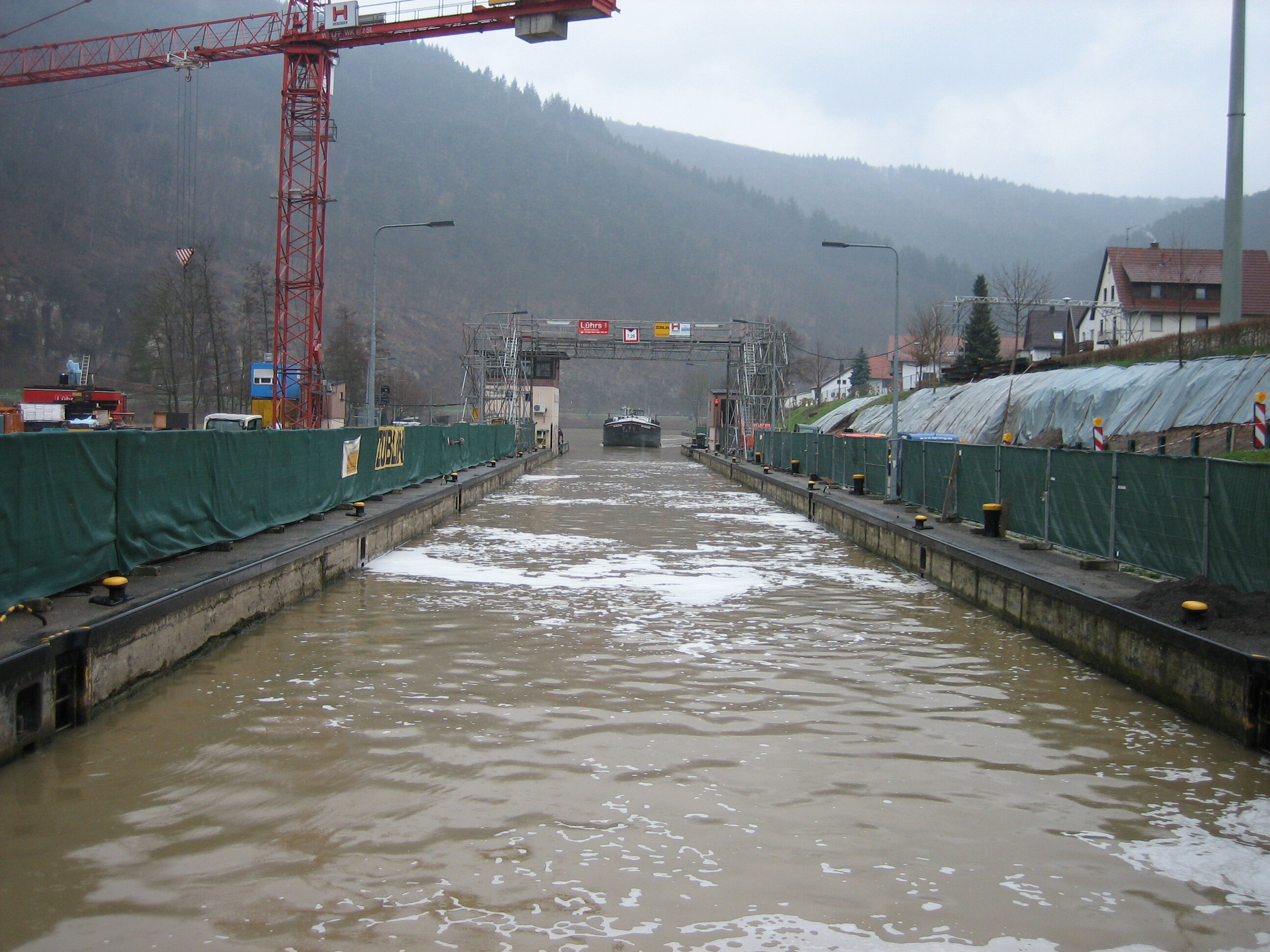
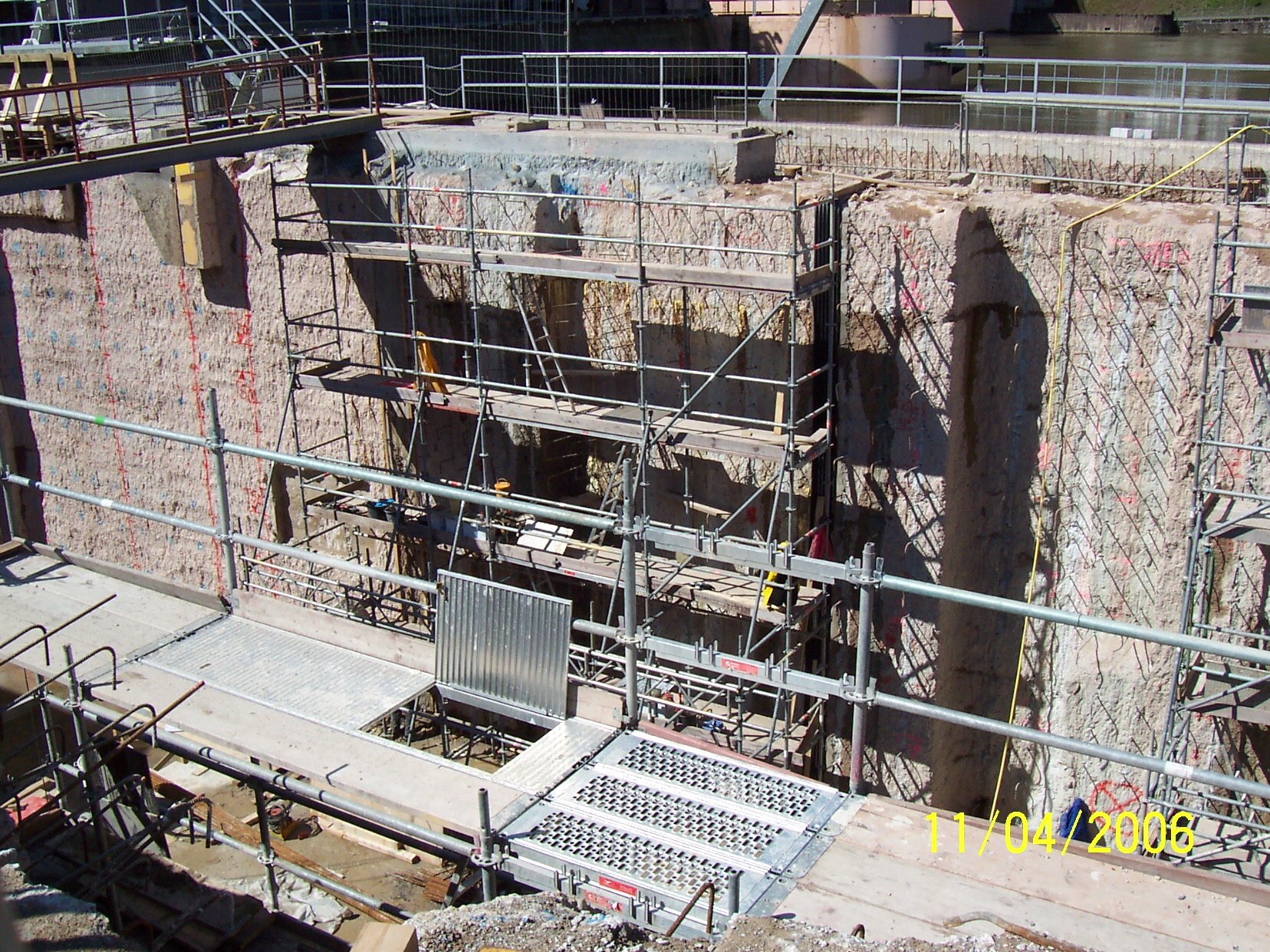
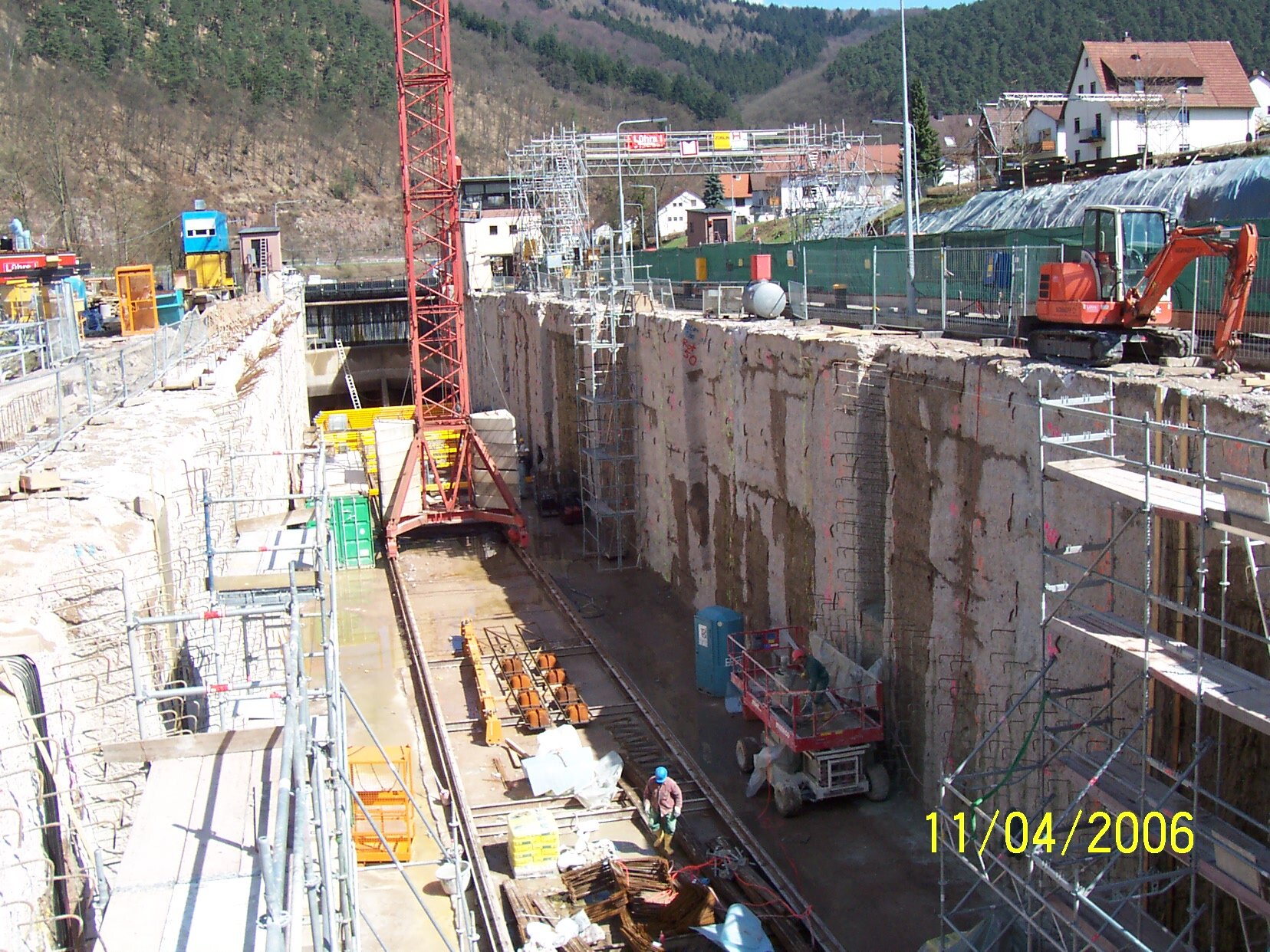
The Hirschhorn lock system on the Neckar River was built in 1927 as part of the expansion of the waterway. In 1958, a second, left-hand lock chamber was added. In 1991, the steel components of the right lock chamber that come into contact with water were repaired. Significant damage to the right chamber made a fundamental renovation necessary in 2005 and 2006.
These measures included concrete repairs to the right lock chamber, including the guide structure and the center wall to the left lock chamber. In addition, the access road to the left lock platform was upgraded or rebuilt. In order not to hinder shipping traffic on the Neckar, it had to be routed through the left chamber during the entire construction work.


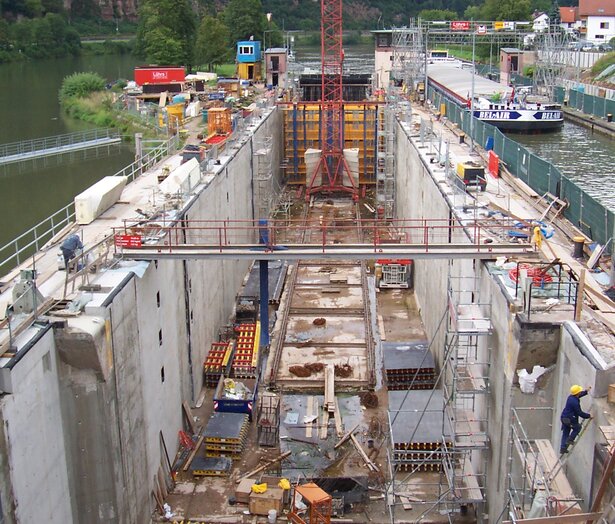
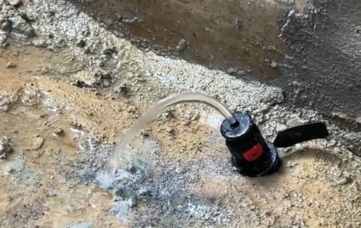
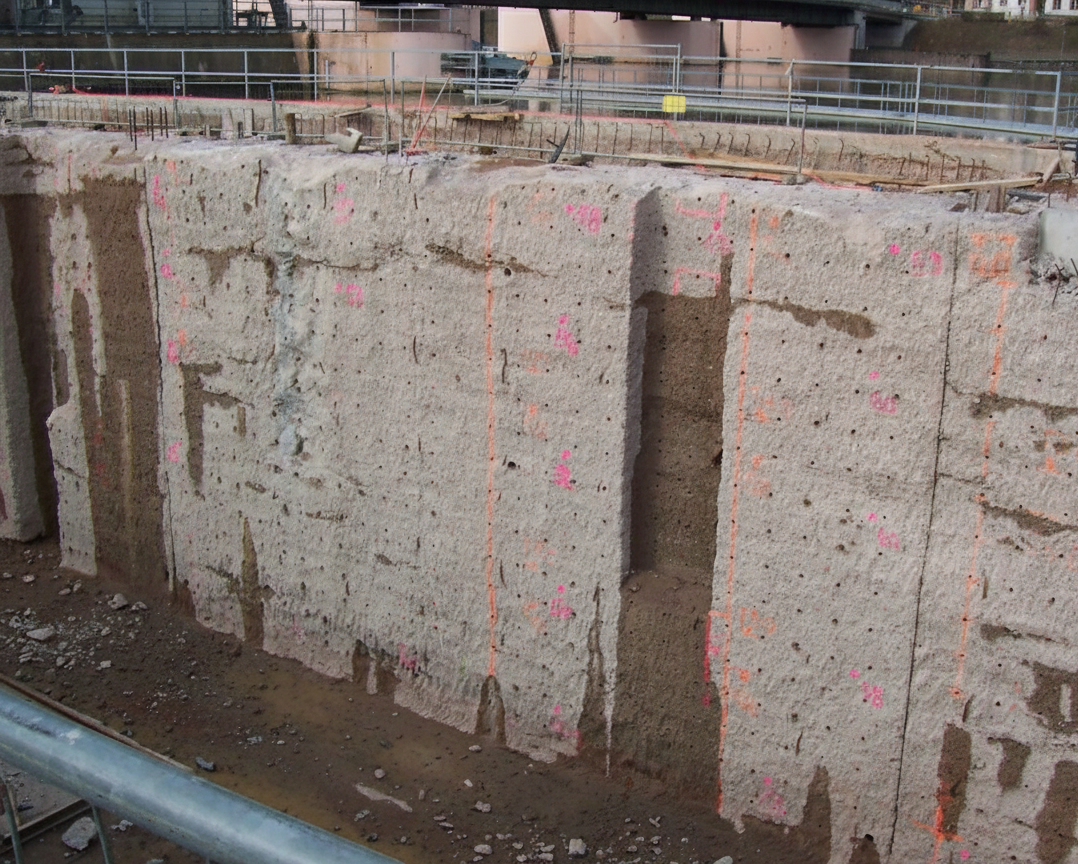
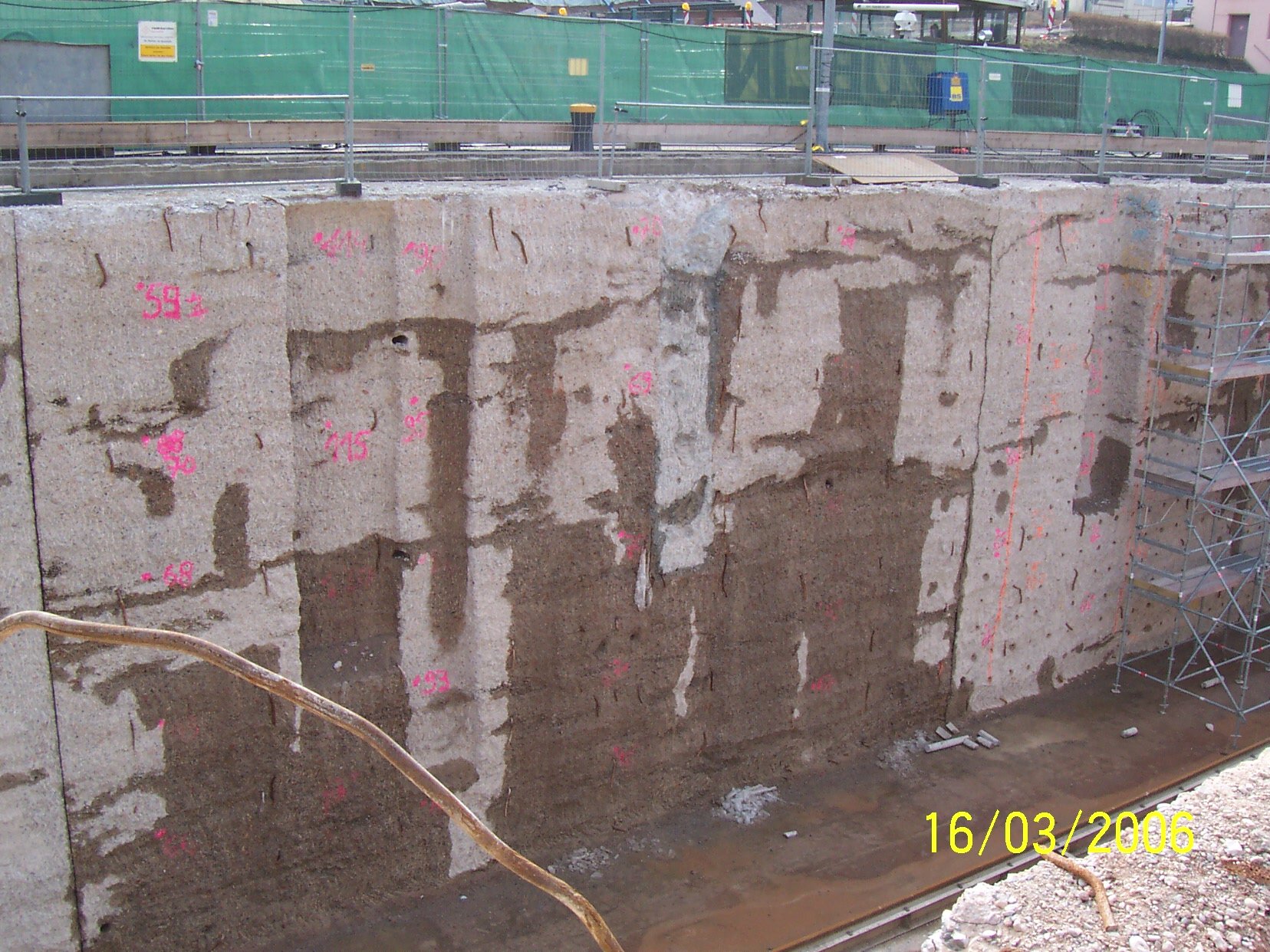
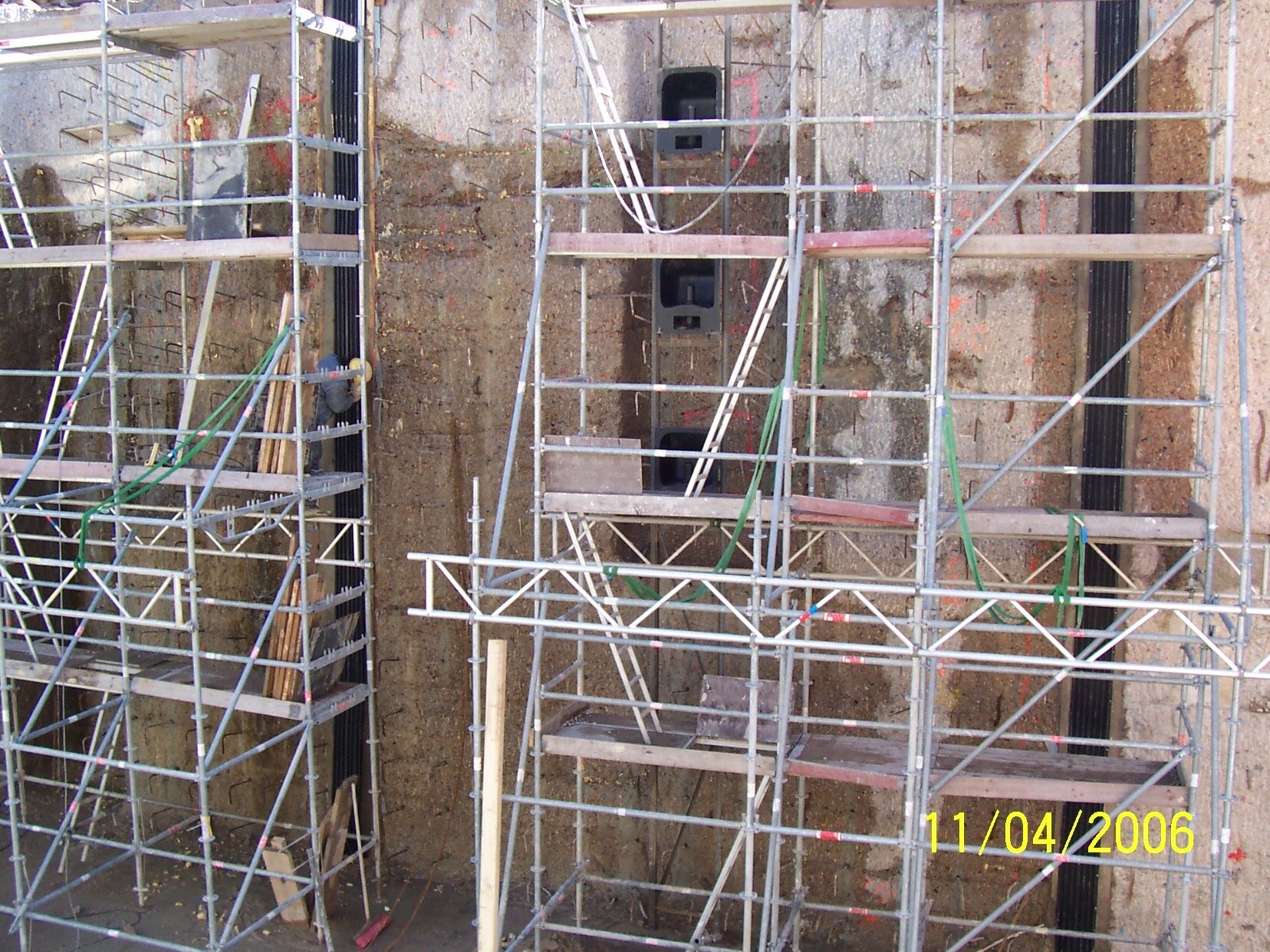
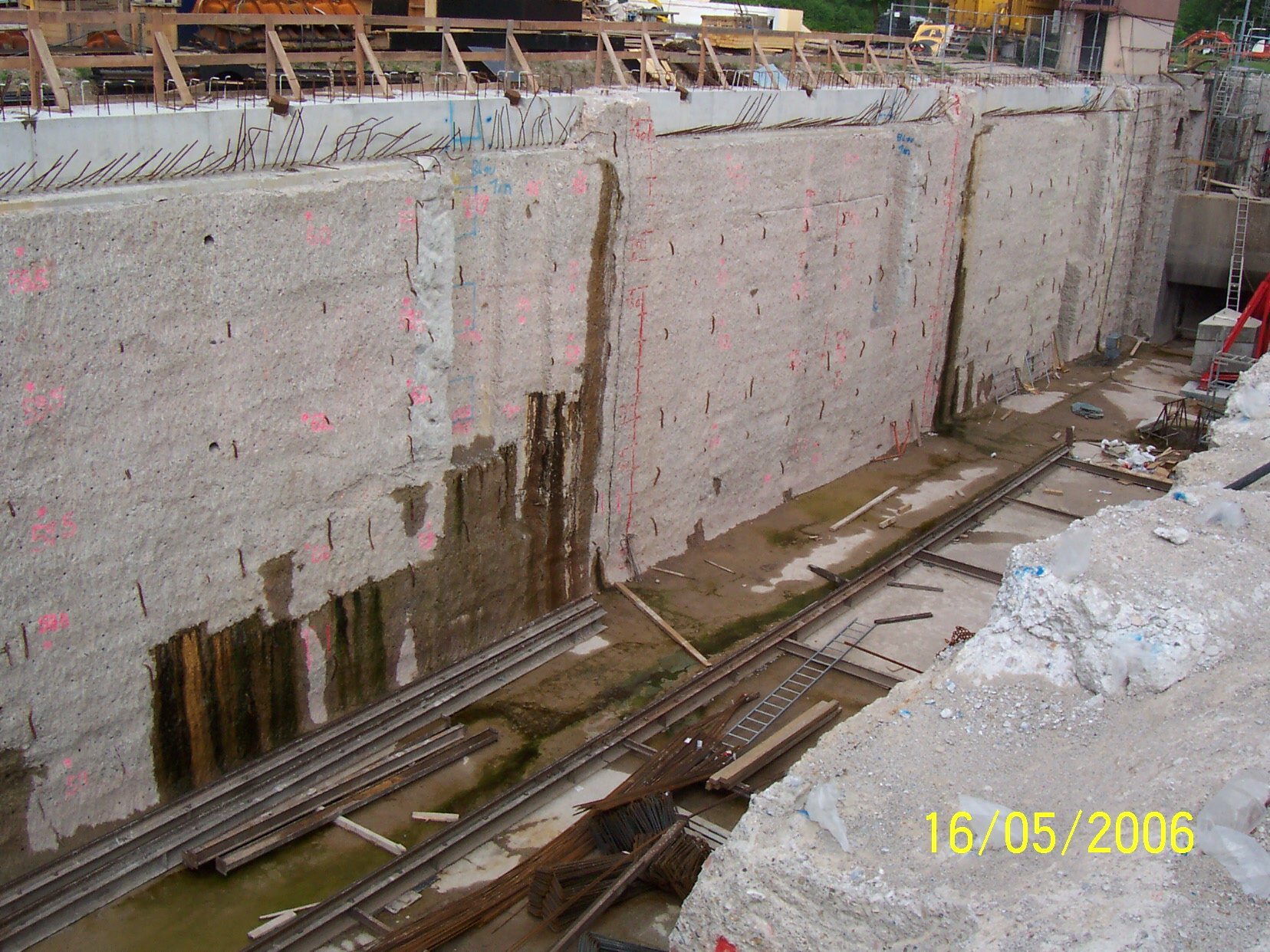
The lock chamber was riddled with cracks in the area of the construction joints. On both sides of the chamber, there were numerous cracks running almost horizontally in the area of the water exchange zone. Short, diagonal cracks appeared in the upper corners in the area of the block joints. Water was leaking through most of the cracks. As part of the renovation concept, the lock chamber walls were reduced by a thickness of 40 and 30 cm (approx. 1,200 m³ of concrete). The actual geometry was then restored by means of a concrete facing shell with back anchoring via composite anchors in the existing concrete.
Between the partial demolition and the construction of the concrete facing, water-bearing cracks became visible in the remaining cross-section of the concrete under pressure. After the partial demolition and before the construction of the concrete facing, pressure water-bearing cracks became visible in the remaining cross-section of the concrete.
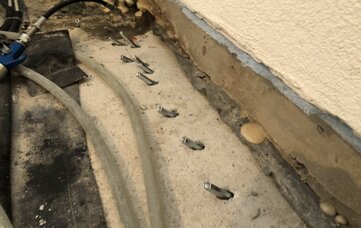
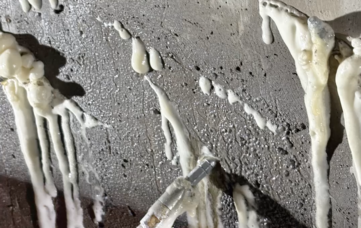
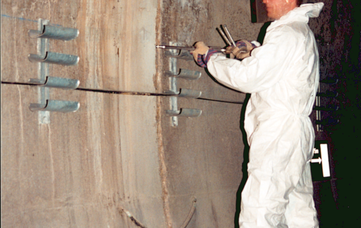
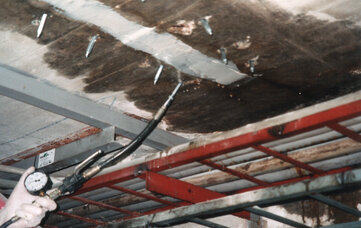
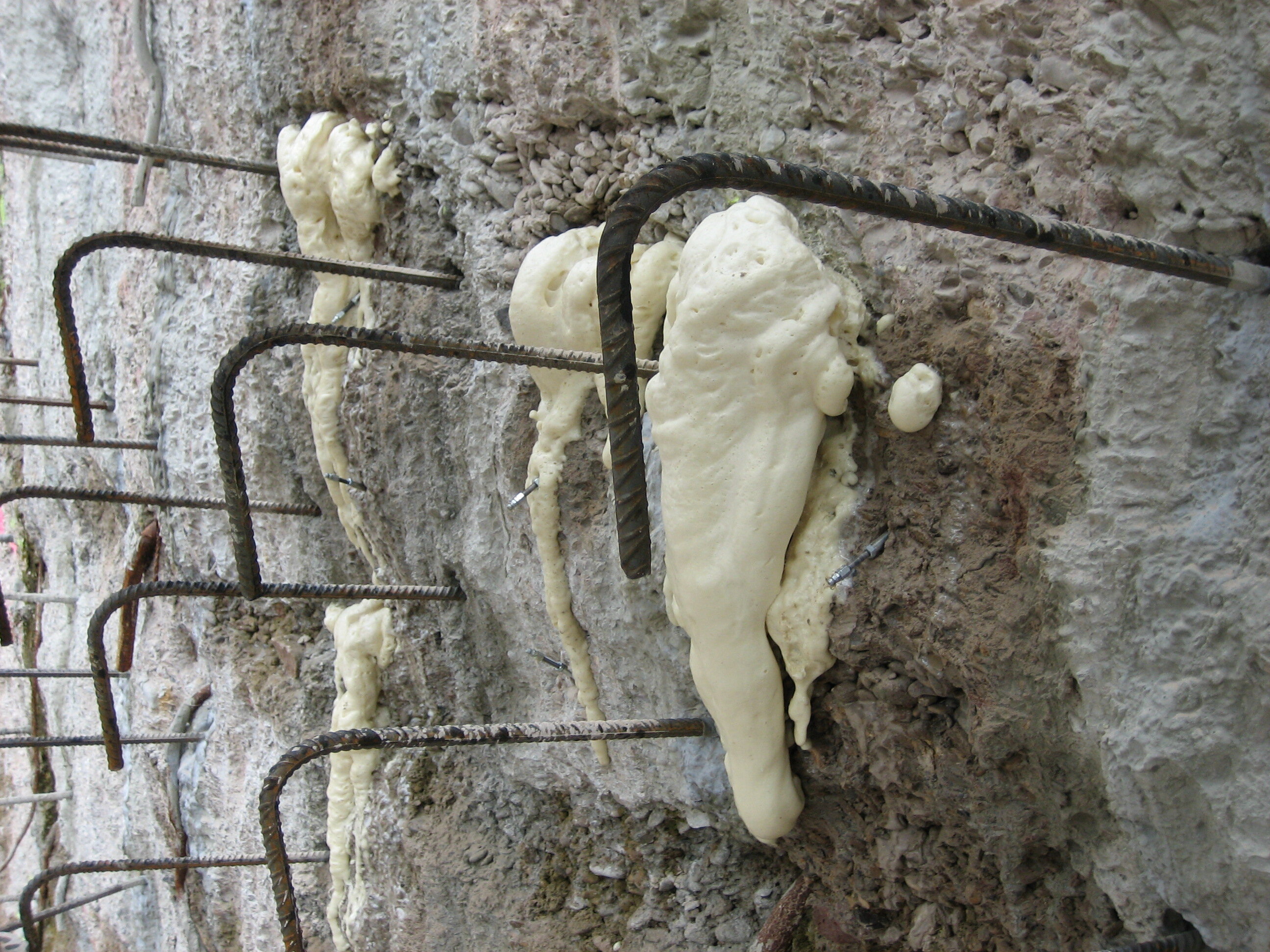
After determining the appropriate drilling grid, these cracks were first pre-injected with WEBAC 150 PU injection foam resin and then post-injected under pressure with WEBAC 1405 PU injection resin in accordance with ZTV-ING. Old construction joints were also filled with WEBAC 150 and WEBAC 1405. All this work was carried out while the left lock chamber remained in operation. Due to the constantly changing water pressures at a drop height of approx. 5.30 m, the WEBAC products used are subject to particularly high long-term stress.
PU Injection Foam Resins
WEBAC 150 is a versatile PU injection foam resin (SPU) that is particularly valued for its safe and easy application. Upon contact with water, it cures with significant expansion to form a surface-tight, firm-elastic foam with a very fine-cell structure. This makes it suitable for the rapid, temporary closure and sealing of pressurized water-bearing cracks, cavities/voids, and leaks in building construction, civil engineering, bridge construction, and tunnel construction.
PU Injection Resins
WEBAC 1405 is a low-viscosity, CE-certified PU injection resin. It cures with constant volume to form an elastic, limited-elasticity resin. Upon contact with water, it forms a uniform, closed, and watertight pore structure. It is used for closing, sealing, and limited-elasticity filling of dry, damp, or water-bearing cracks, as well as for sealing cavities/voids in building construction, civil engineering, bridge construction, tunnel construction, and shaft construction.


Get information now for users of products containing diisocyanates.