PU Injection Resins
WEBAC® 1403
- Classic Line
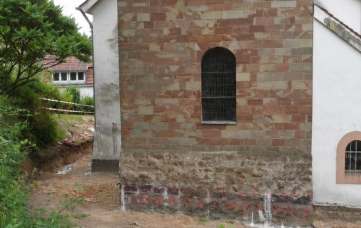
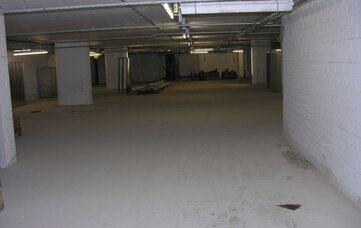
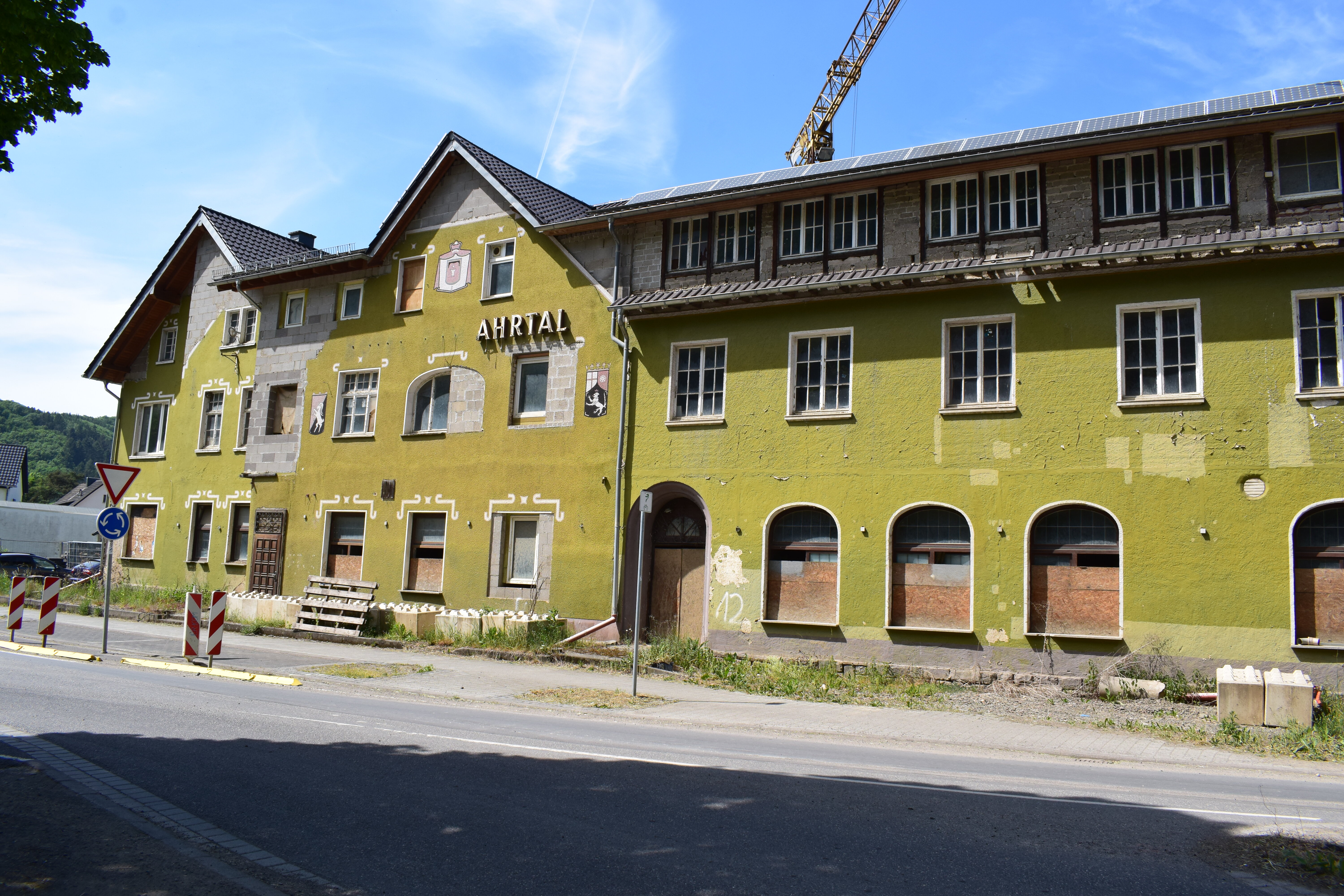
Buildings located in areas at risk of flooding are increasingly threatened by extreme weather conditions such as heavy rain, rising groundwater levels, or temporary flooding. Components such as basement walls, basement floors, house connections, windows, and doors, through which water can penetrate the building, are particularly affected.
The ingress of water and moisture causes considerable damage to the load-bearing structure, impairs the indoor climate, and leads to an increased need for renovation.


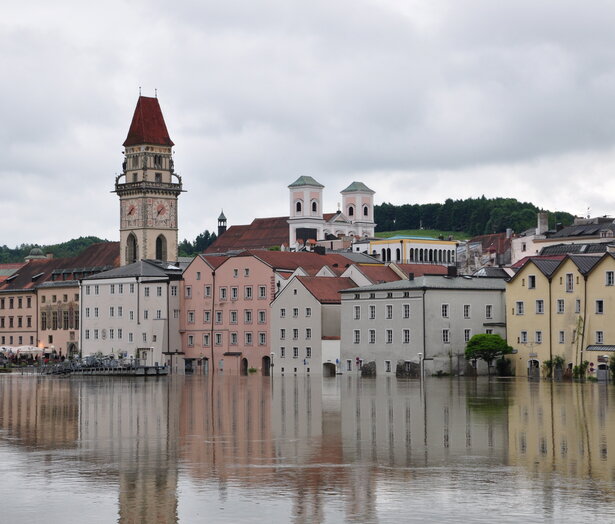
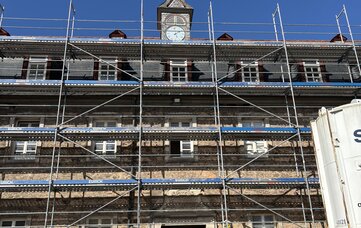
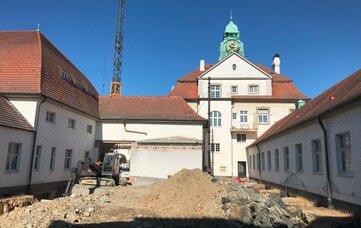
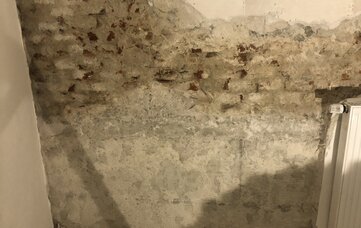
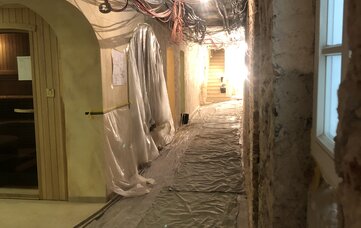
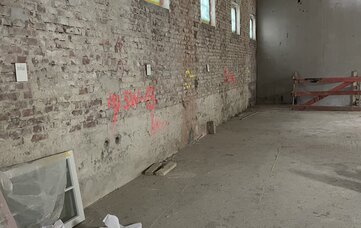
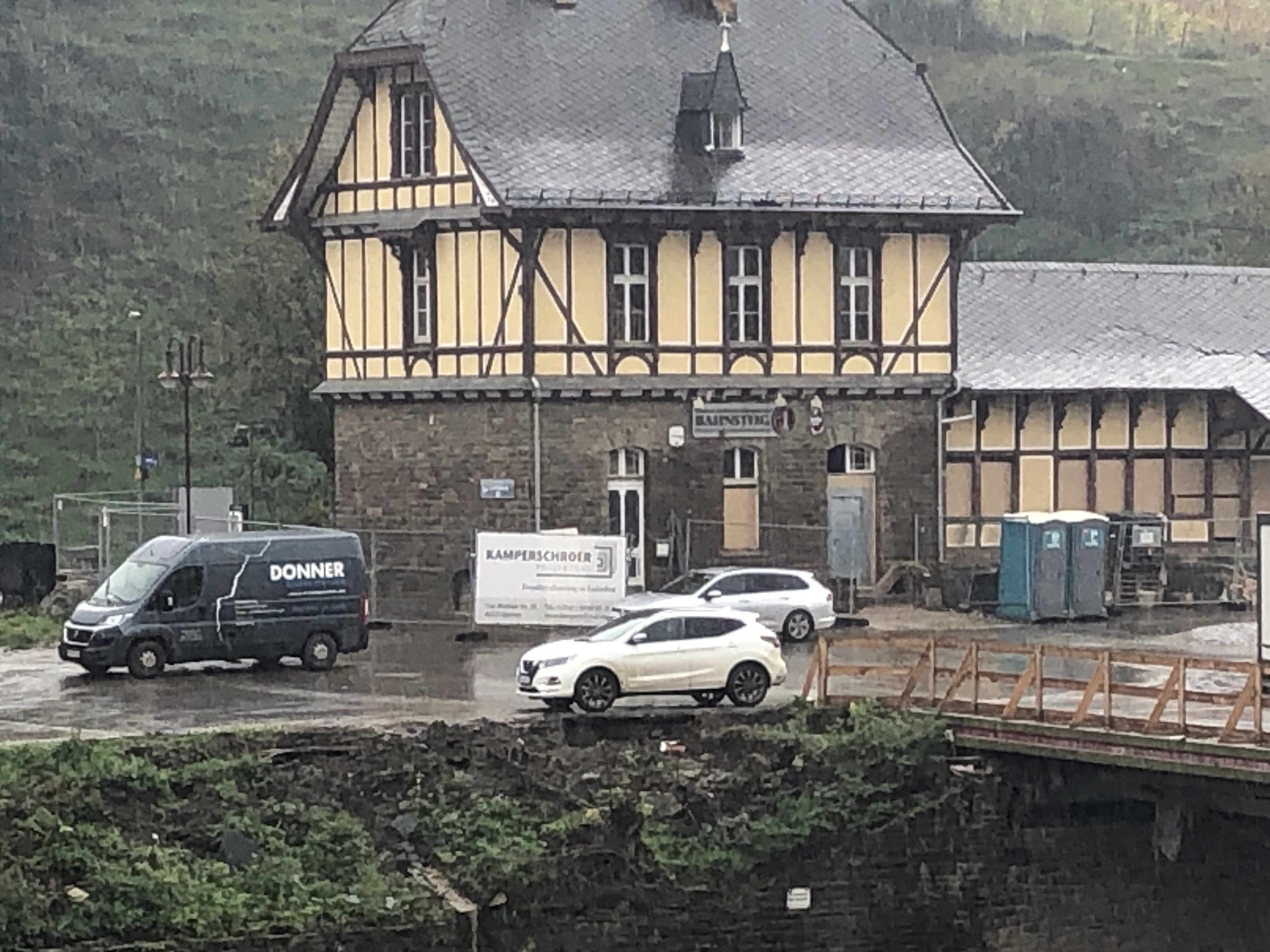
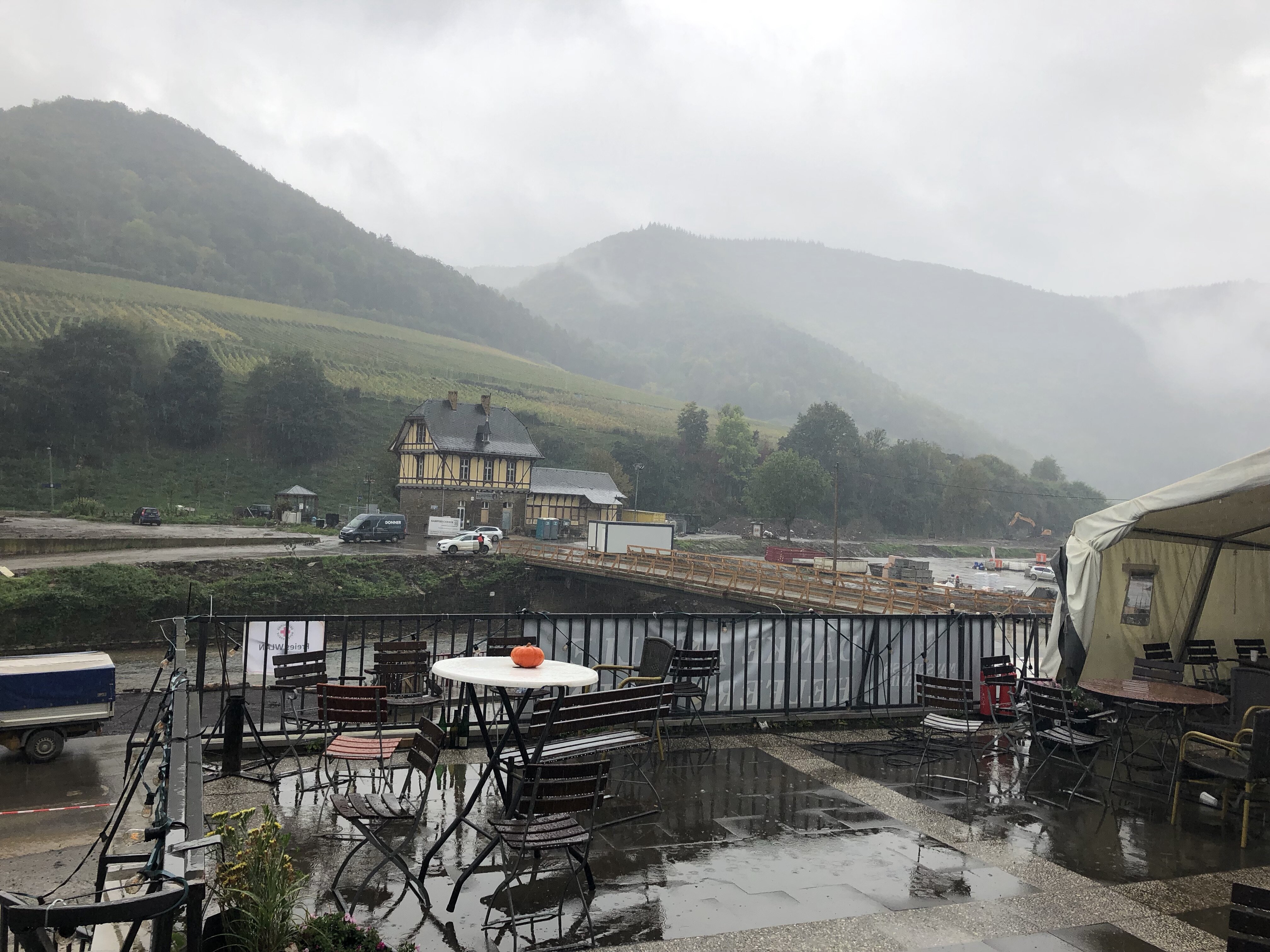
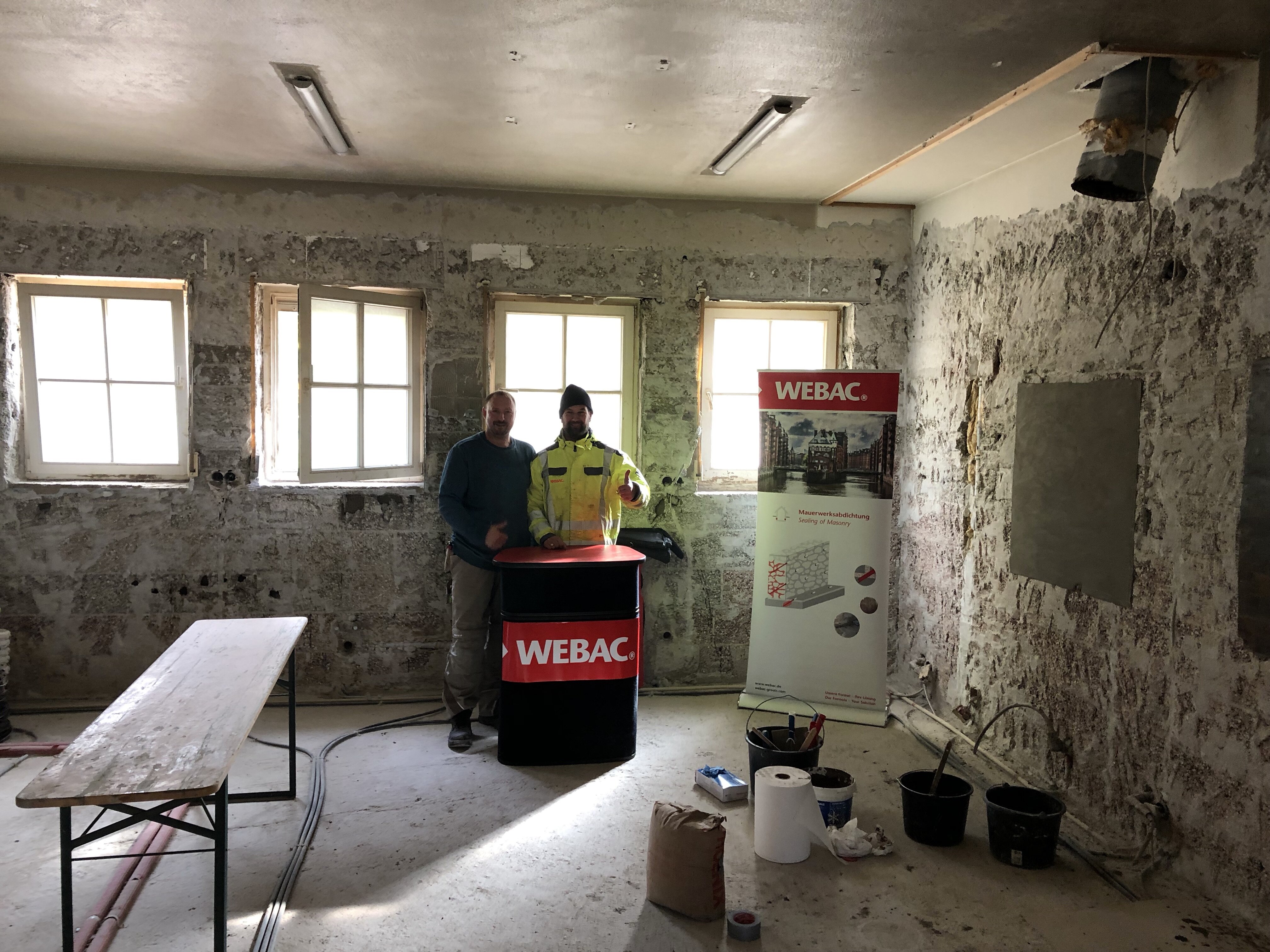
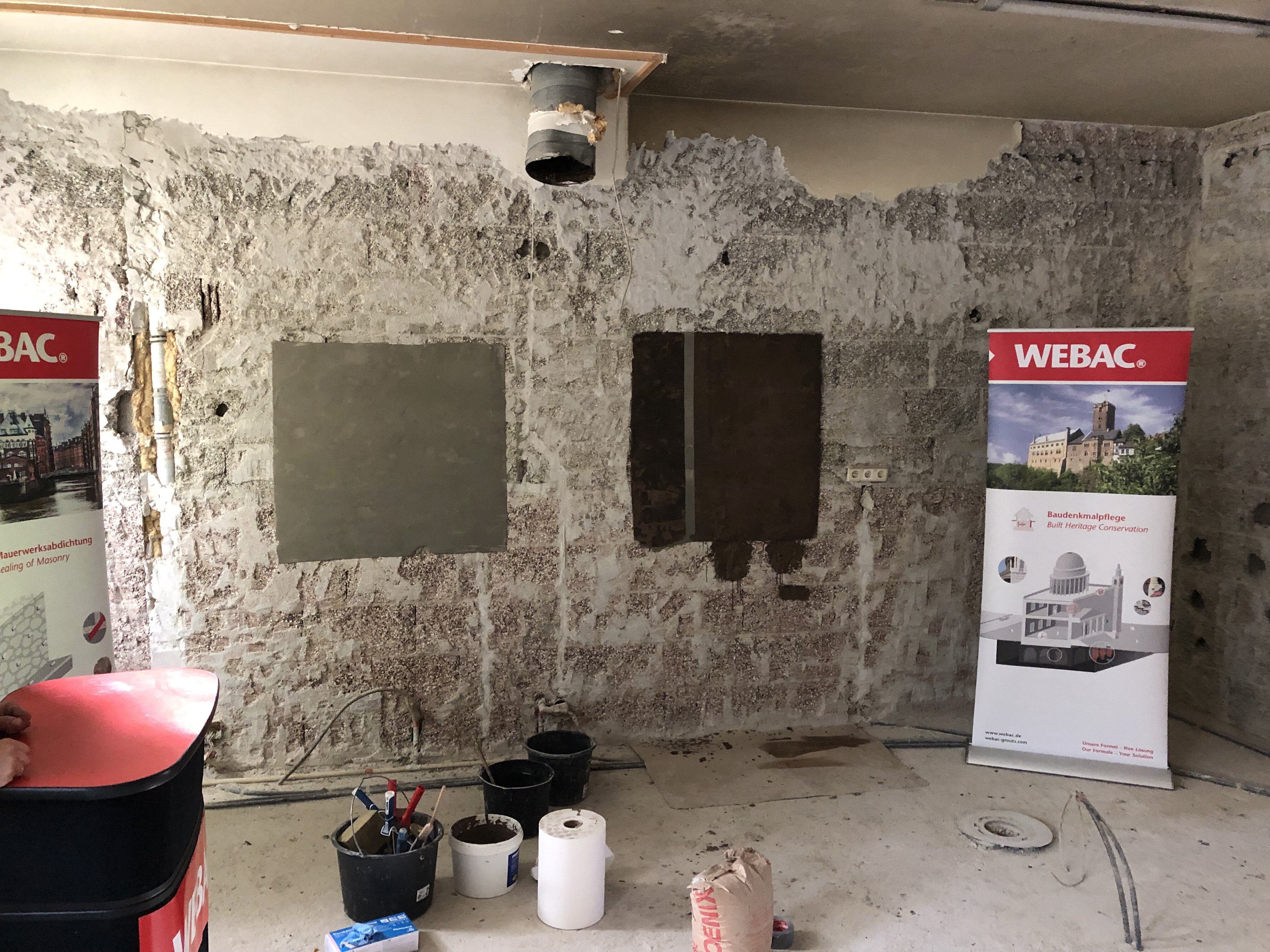
After a flood event such as the Ahr flood in 2021, the building fabric is often saturated with moisture, contaminated, and structurally damaged. In such cases, professional restoration typically involves the following measures:
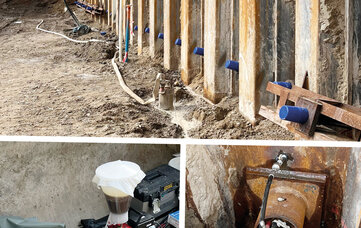
If the groundwater level remains high, it may also be advisable to install an integral waterproofing with watertight concrete (‘white tank’ method) to reliably prevent water from entering the building. In addition, curtain injection can be used for post-construction external waterproofing.
PU Injection Resins
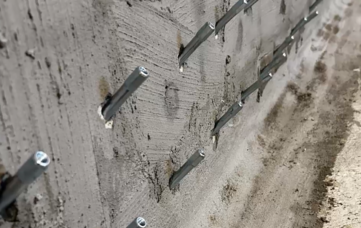
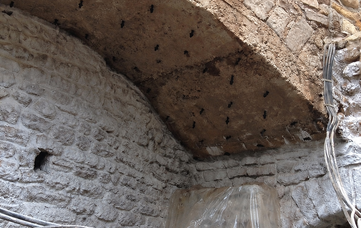
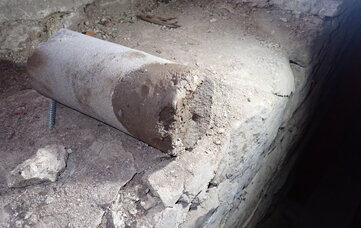
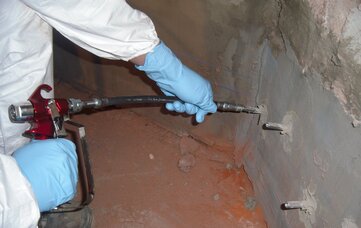
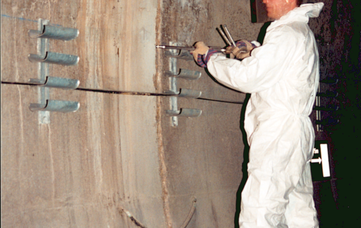
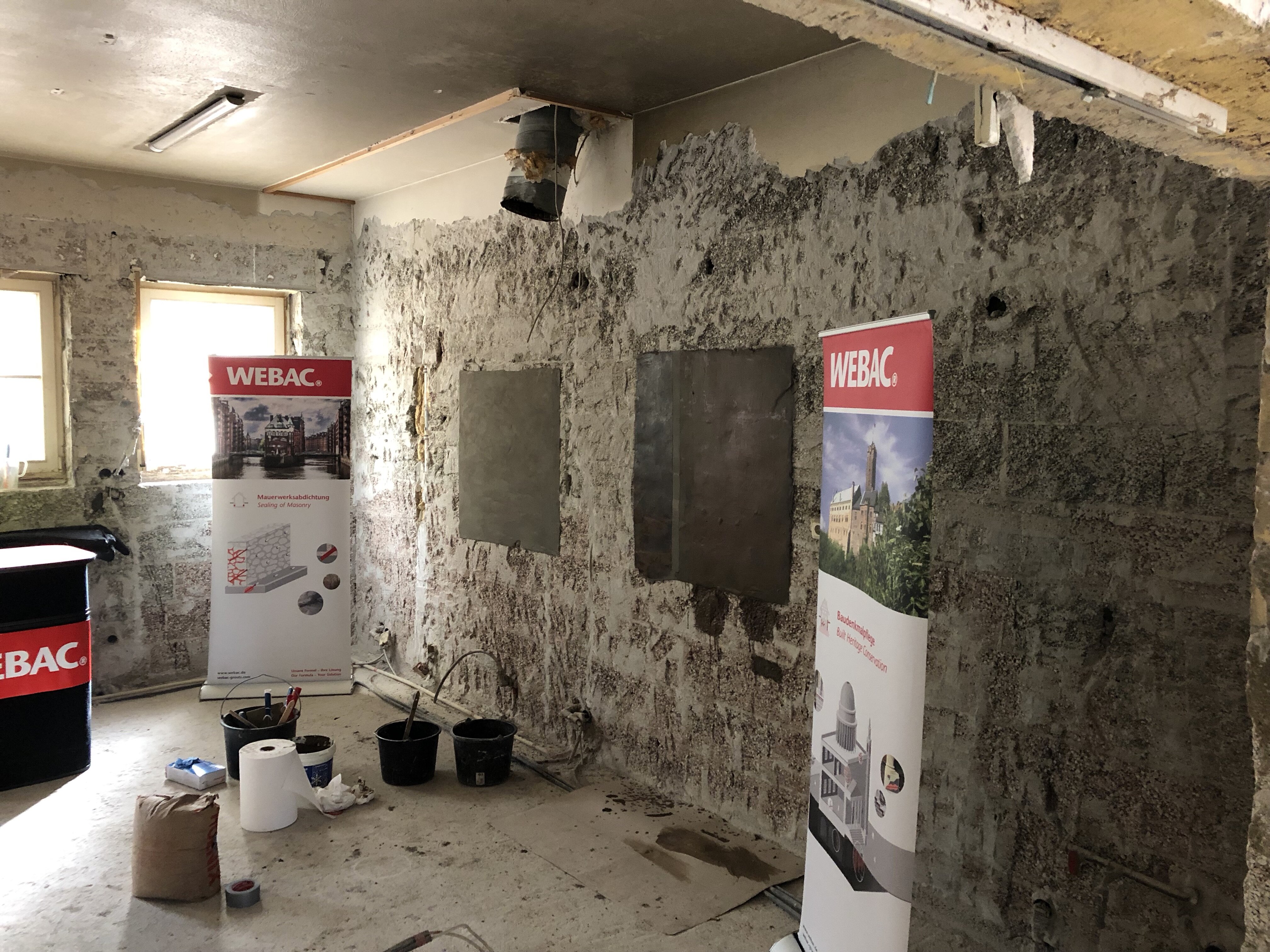
WEBAC 1403 is a long-track-record proven PU injection resin, particularly valued for its safe and controlled application. Upon contact with water, it cures into a closed, waterproof, and dimensionally stable resin with a fine pore structure. It is suitable for sealing, crack injection, and stabilizing masonry and concrete, and is used for post-construction damp proof courses (dpc) against capillary rising damp.
Dispersion for Walls and Floors
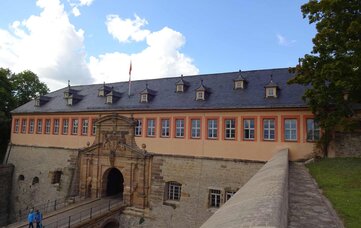
WEBAC 5611 is a reactive bitumen-acrylate dispersion that adheres well to a wide variety of substrates and has crack-bridging properties. The hydrophobic effect of the bitumen component creates a waterproof seal with reliable protection against leaching by salts harmful to structures. This makes WEBAC 5611 suitable for surface waterproofing against hydrostatic pressure in building construction, civil engineering, and historic preservation.


Get information now for users of products containing diisocyanates.