PU Injection Resins
WEBAC® 1610
- Classic Line
The historic Chamber of Commerce is one of the most important listed buildings in the city of Hamburg. Built between 1839 and 1841 in the Italian Renaissance style, the building is one of the oldest non-ecclesiastical buildings in Hamburg. Despite severe war damage, it was rebuilt and listed as a historic monument in 1952. Today, it continues to house the Chamber of Commerce.
Its special location near the Alster and the geological nature of the subsoil place high demands on its structural preservation. The lower structure is permanently exposed to high moisture levels, which were exacerbated by the construction of the subway in 1912: the lowering of the groundwater level led to post-construction settlement and thus to cracks and moisture penetration in the historic cellar vaults.


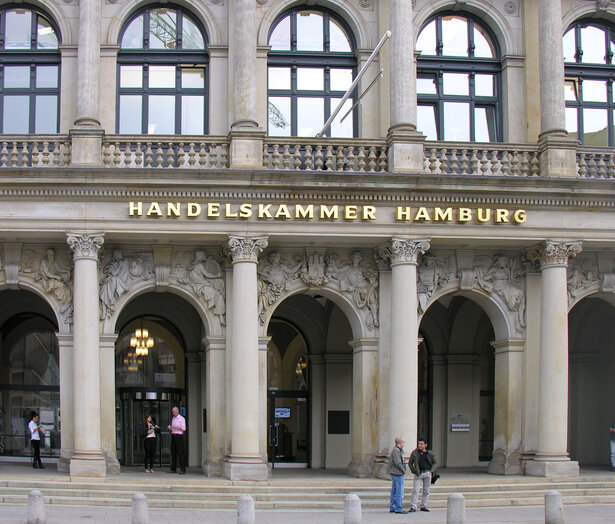
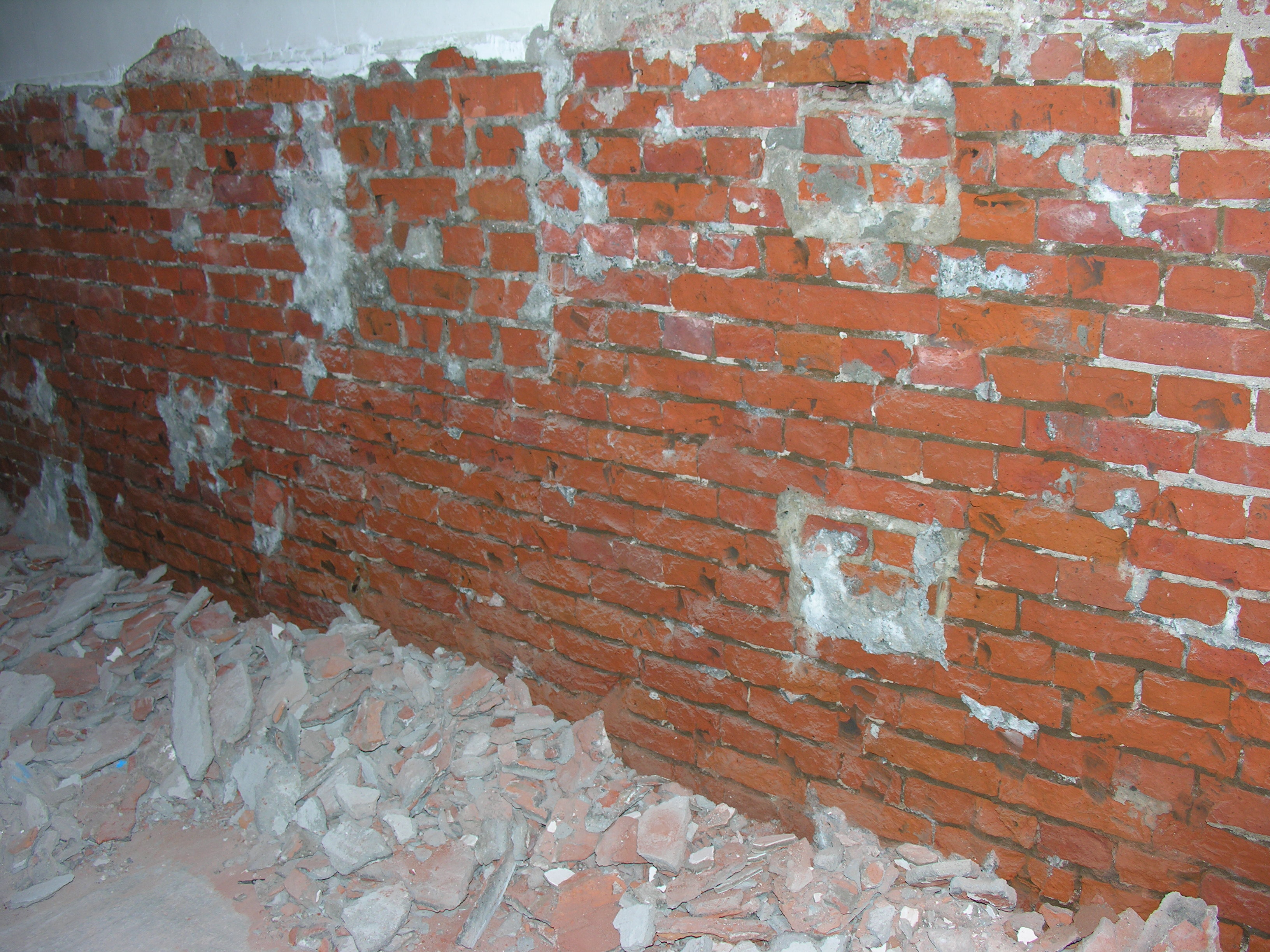
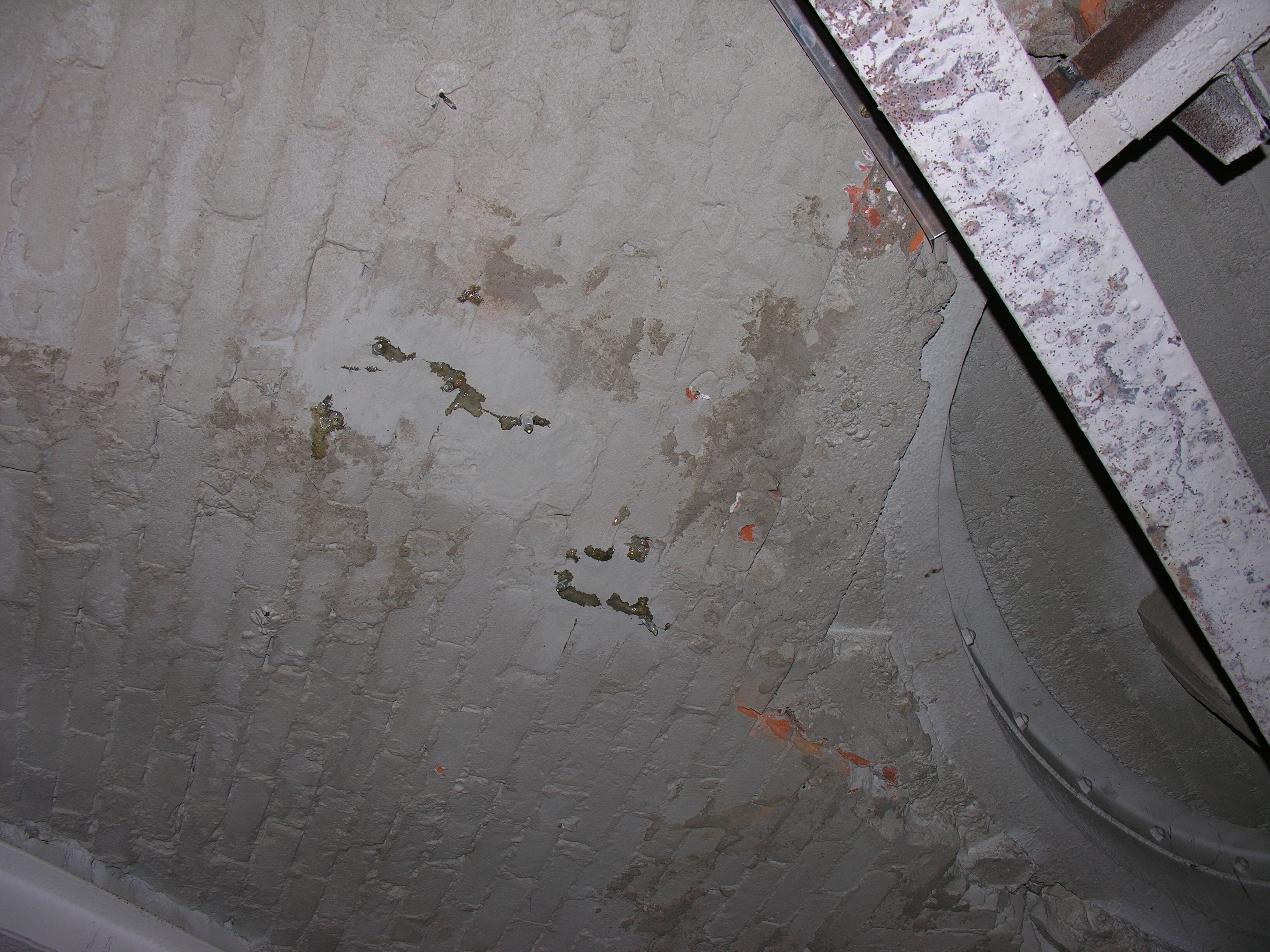
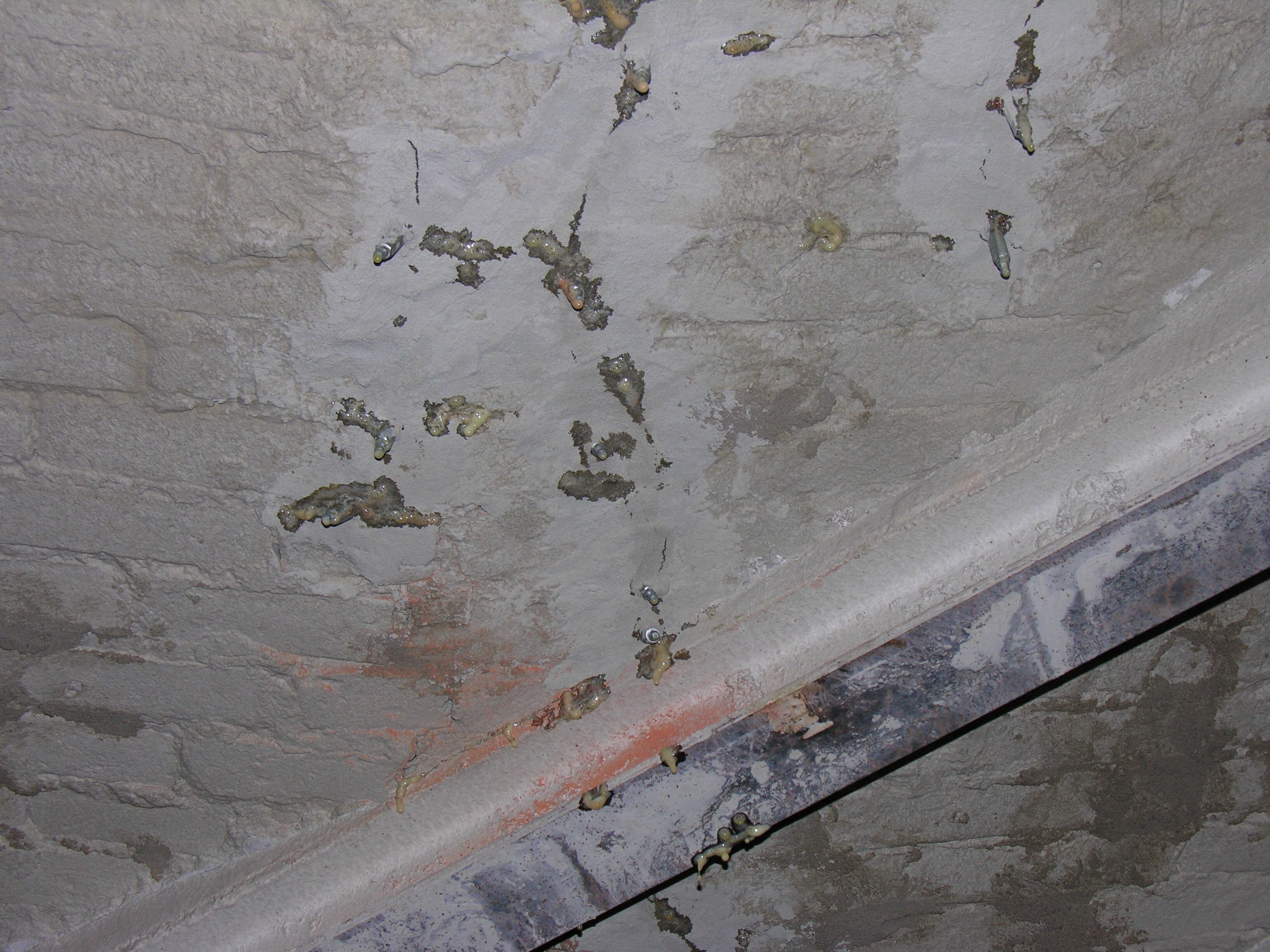
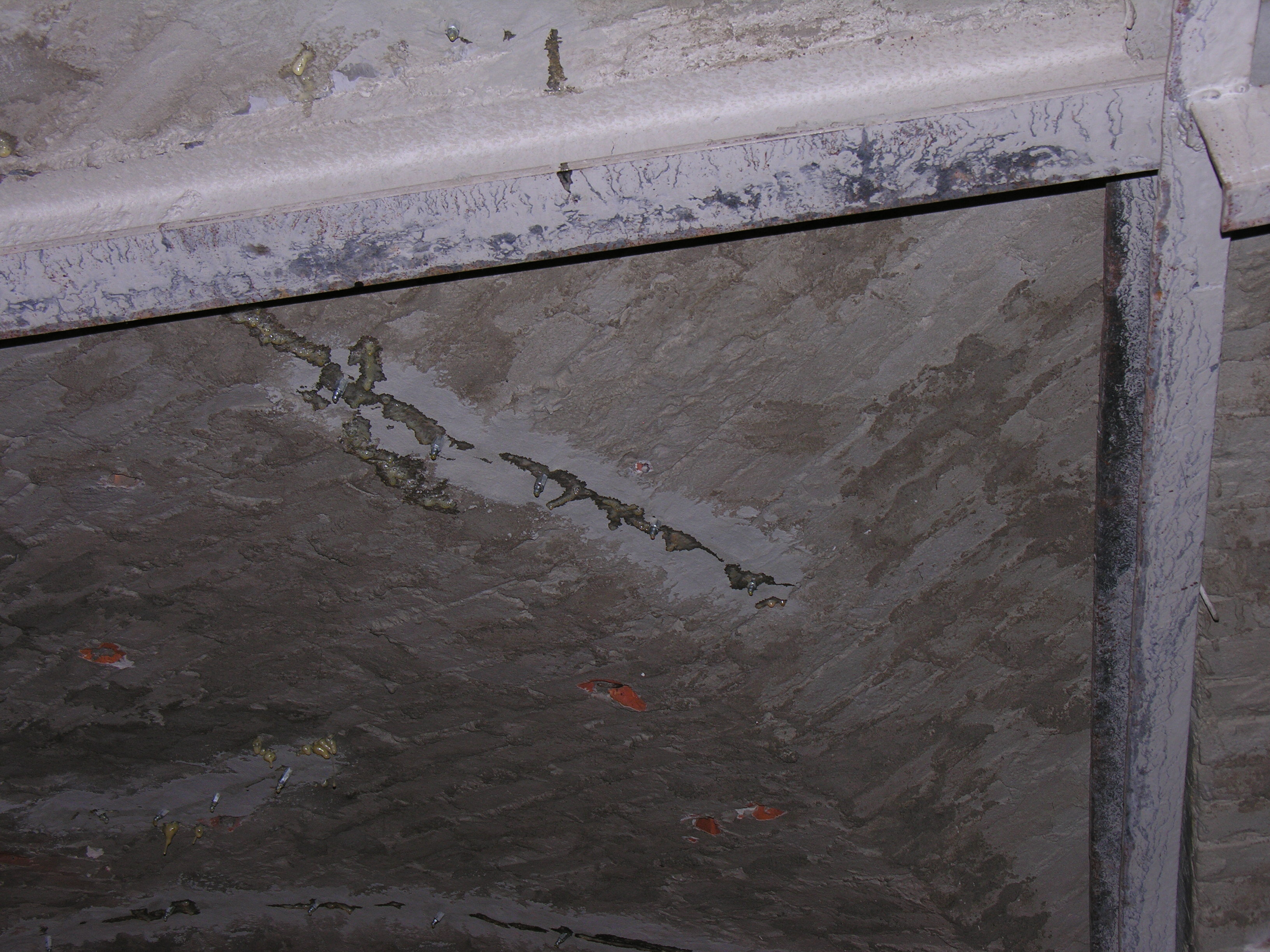
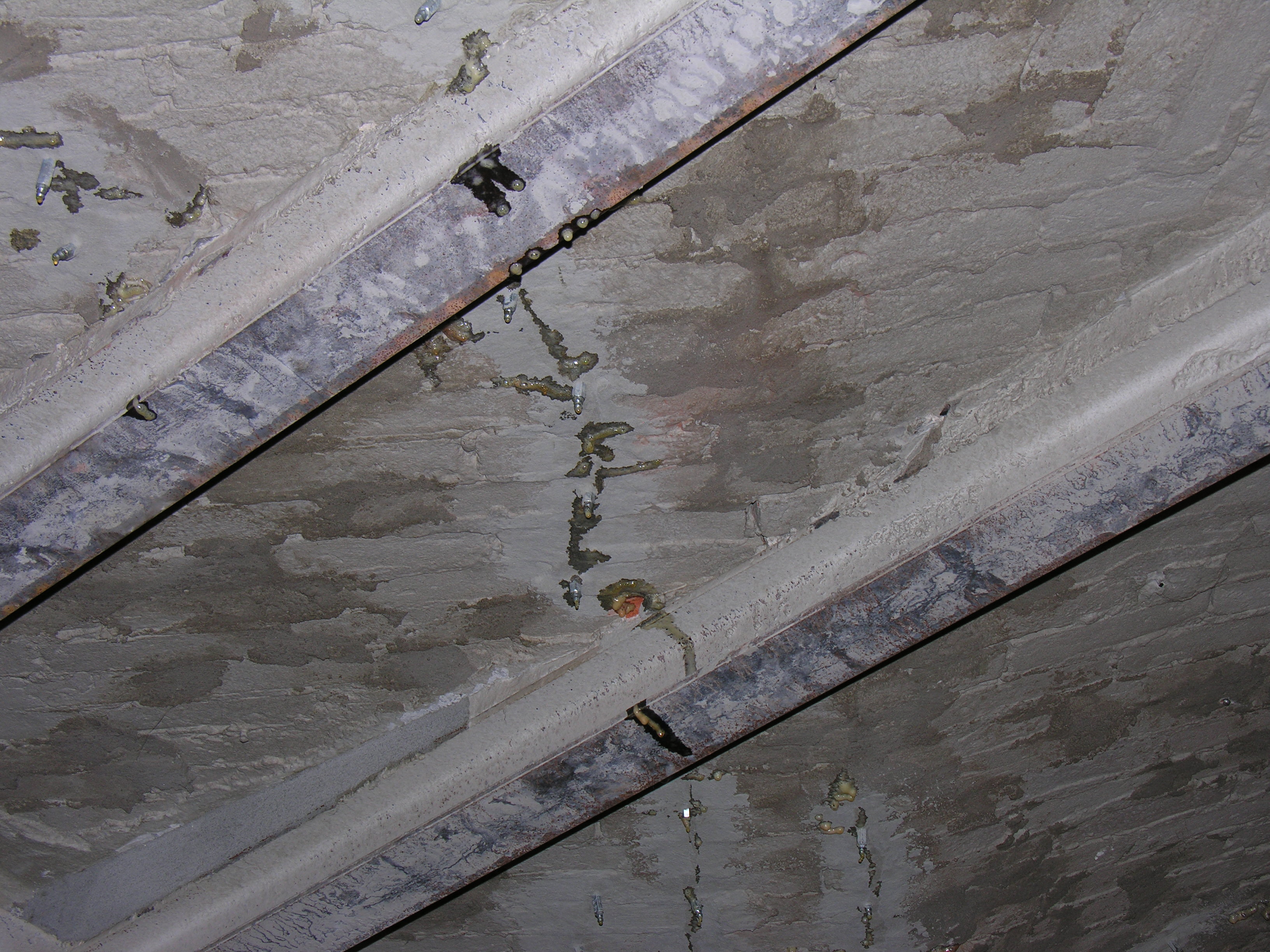
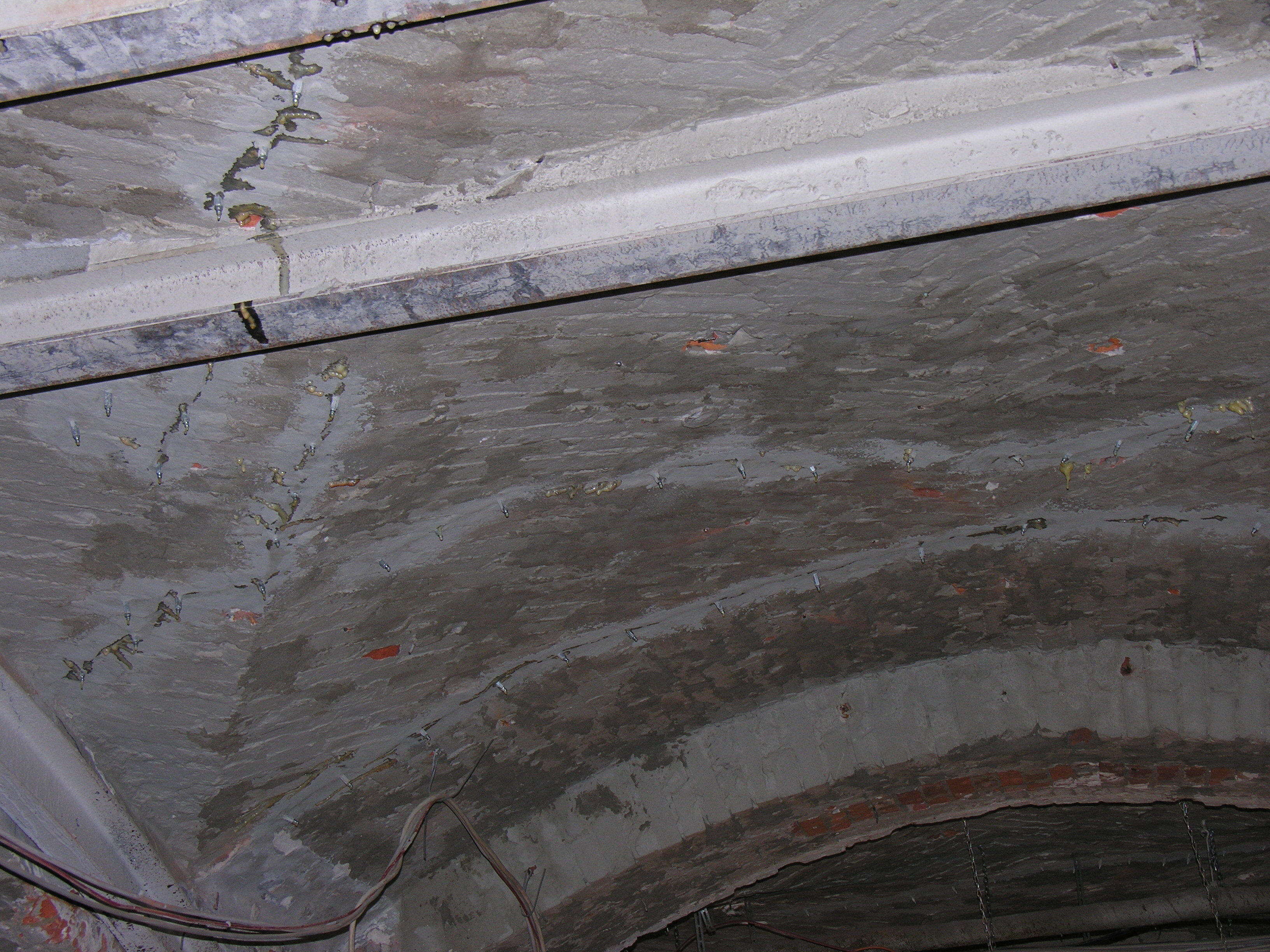
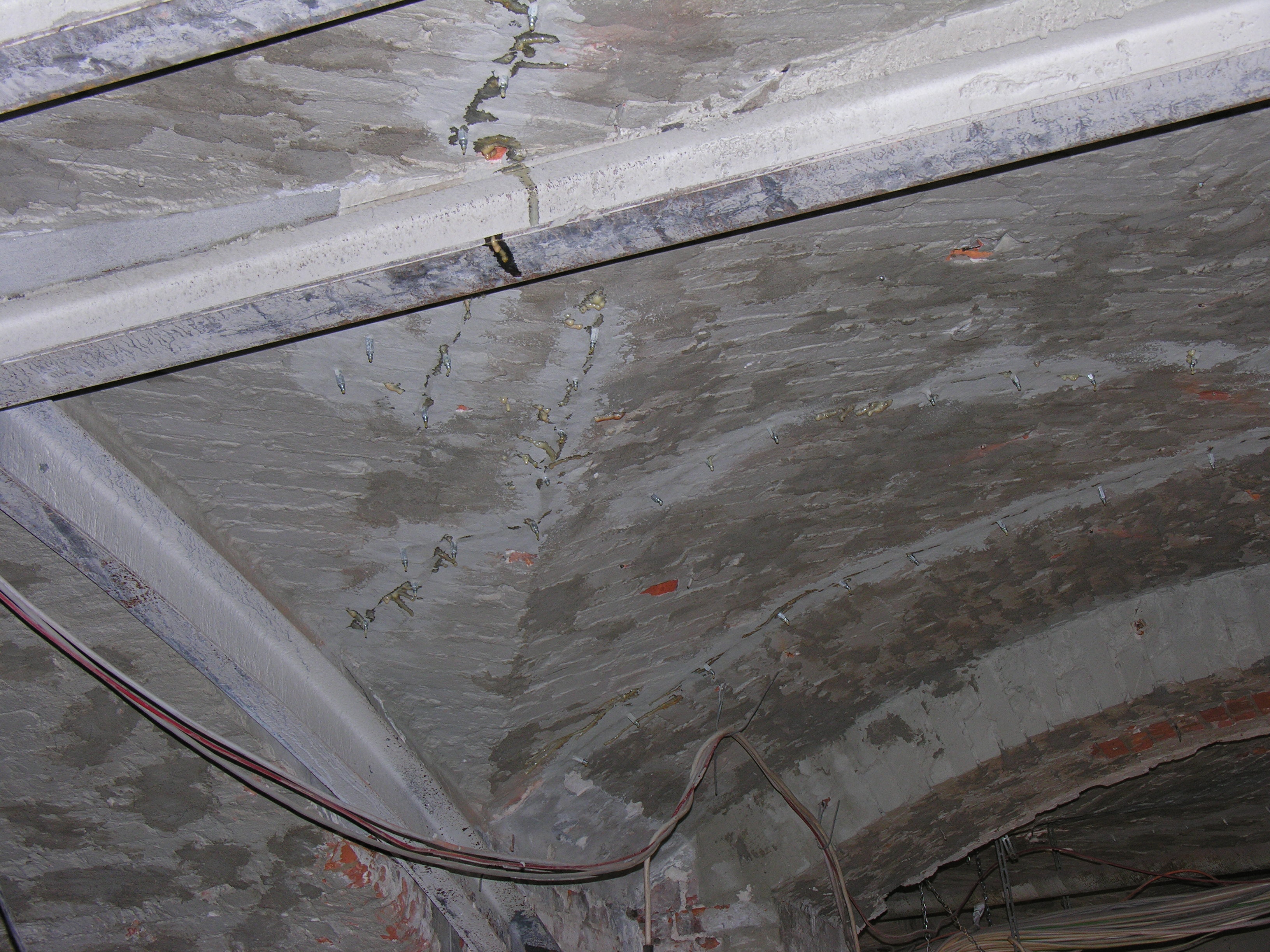
The Hamburg Chamber of Commerce was affected by moisture damage and cracks in the brickwork in the cellar vaults. The vaulted ceiling under the commercial library was particularly critical.
Despite these challenges, the building fabric was in a predominantly stable condition:
Measures implemented
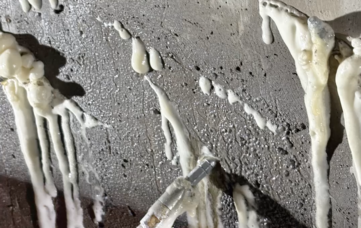
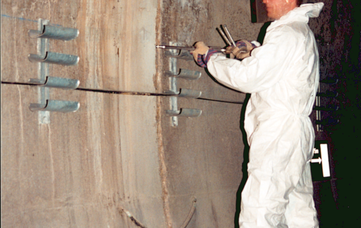
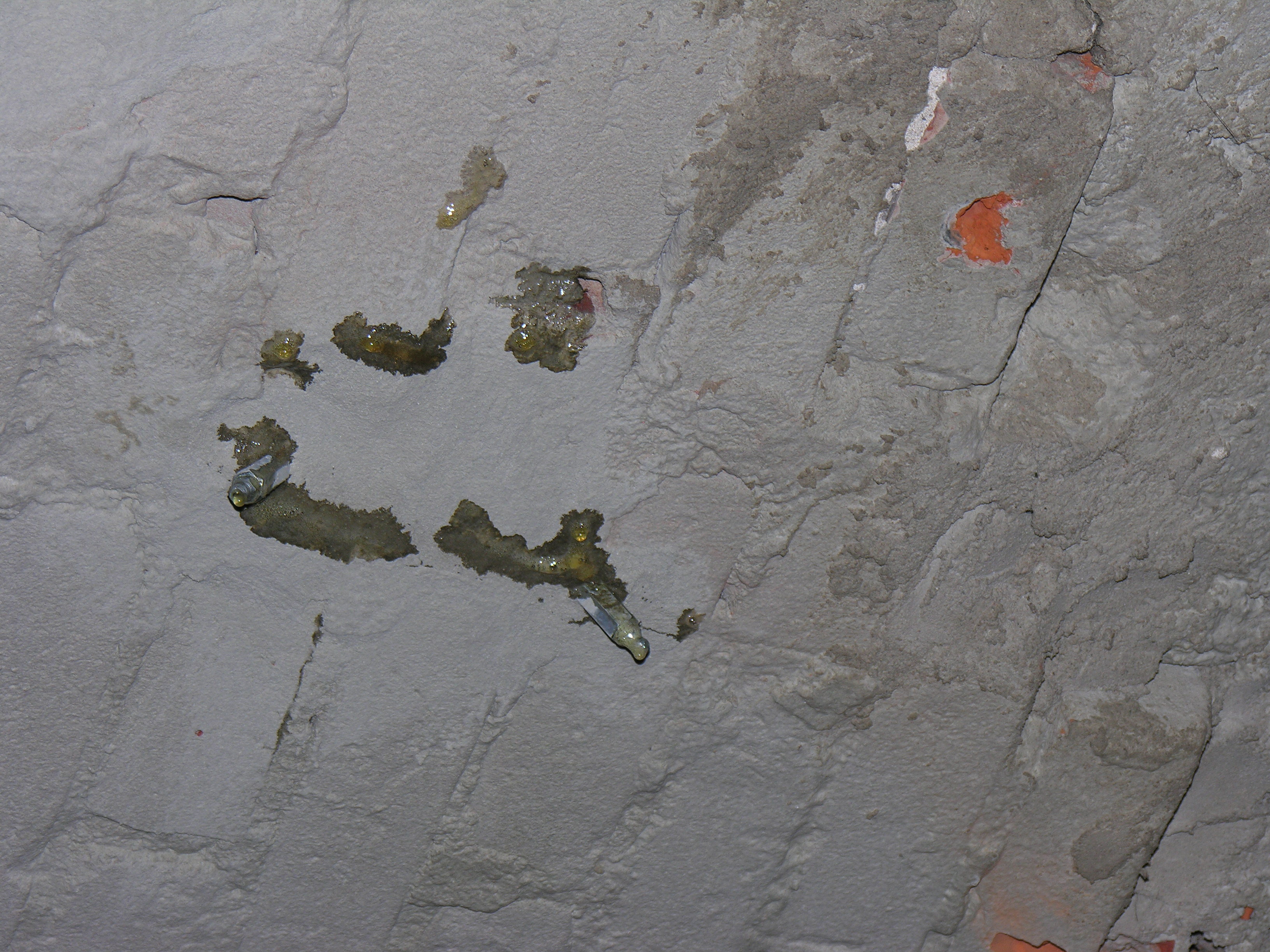
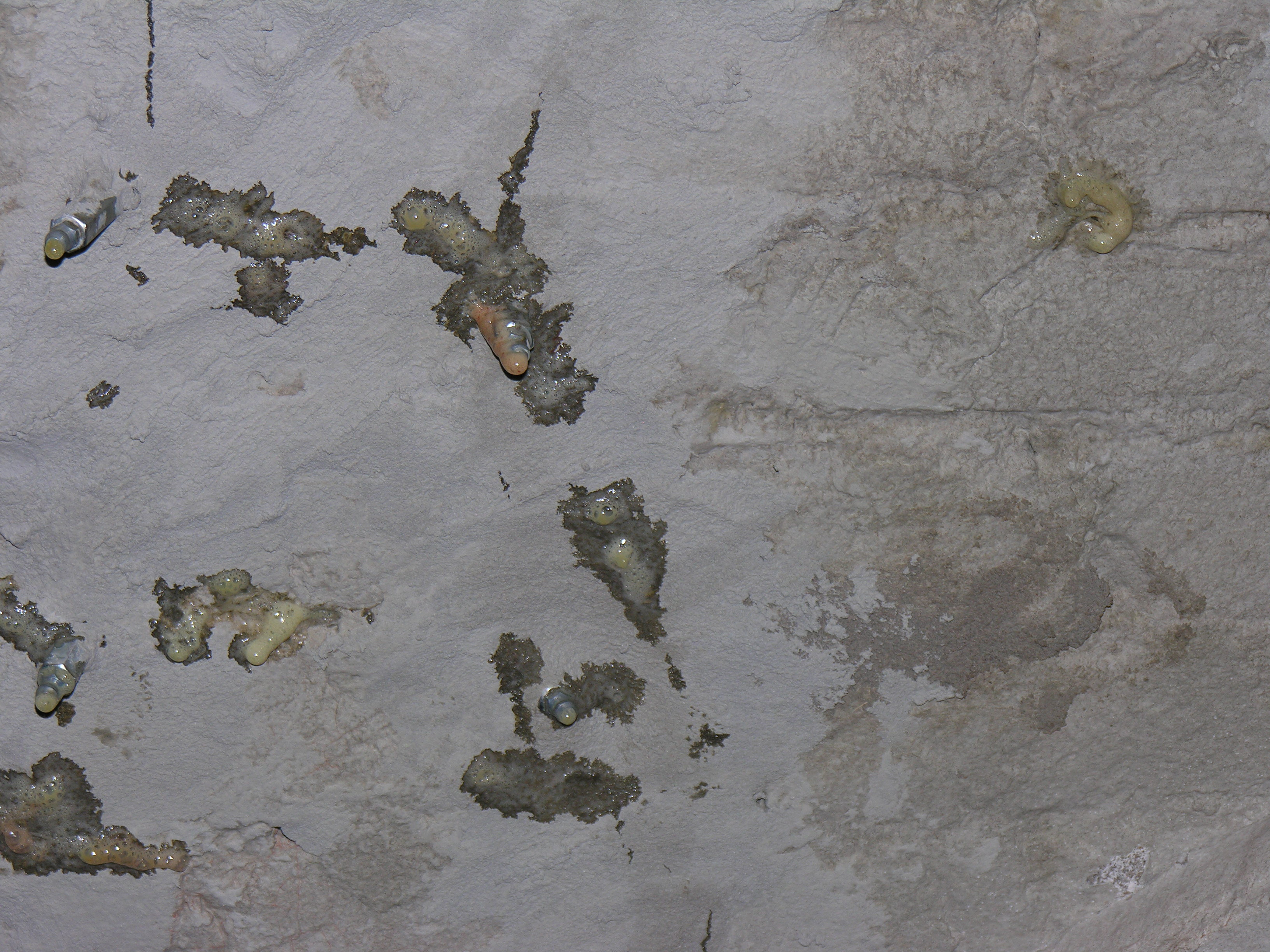
WEBAC 1610 reactive injection resin was used to stabilize the masonry and provide lasting protection against moisture. This product was chosen for its high solidifying effect and suitable flowability at low pressures.
The renovation measures included:
The targeted use of WEBAC 1610 restored the static function of the vaulted ceilings and provided long-term protection for the historic fabric.

PU Injection Resins
WEBAC 1610 is a high-strength PU injection resin whose compressive and bending tensile strength is specifically designed for structural bonding in masonry. When mixed with water, it foams slightly; however, under dry conditions, it cures without foaming into a compact, waterproof material. It is suitable for sealing, solidification, and structural bonding of building components, as well as for filling cavities/voids, and is specifically designed for use in masonry.


Get information now for users of products containing diisocyanates.