Dispersion for Walls and Floors
WEBAC® 5611
- Classic Line
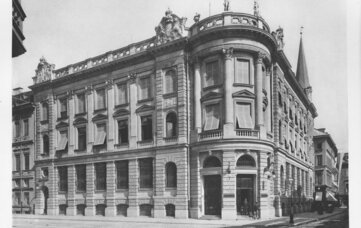
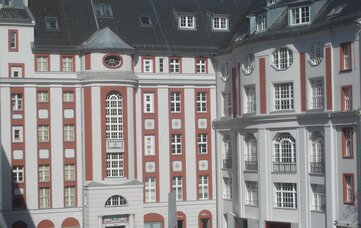
The drinking cure facility in Bad Nauheim’s spa district was built between 1910 and 1912 and is one of the resort’s most iconic Art Nouveau structures. The horseshoe-shaped complex includes promenade galleries, a drinking hall, a band shell, and a water basin in front. In the immediate vicinity are other significant examples of Bad Nauheim’s spa architecture, including the Sprudelhof, which is considered the largest cohesive Art Nouveau ensemble in Europe.

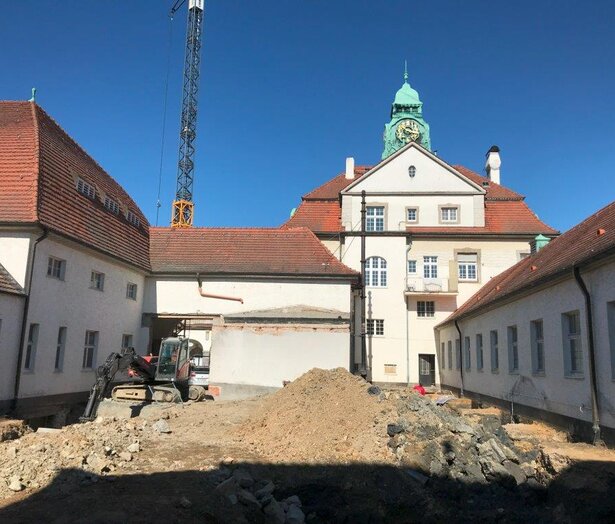
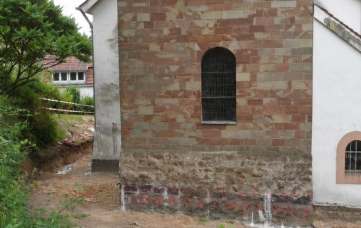
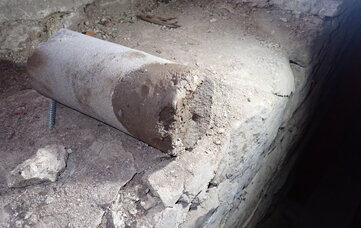
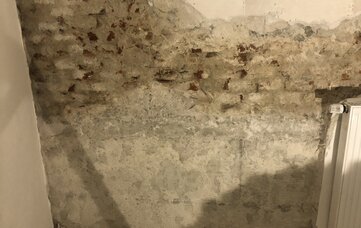
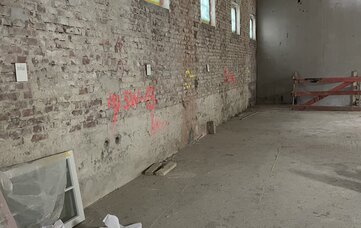
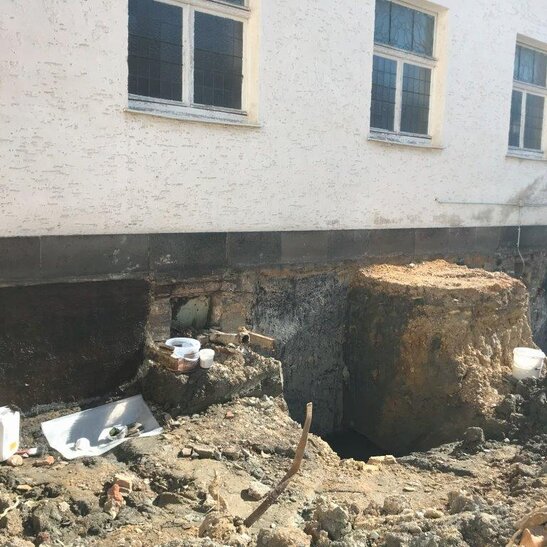
During the renovation, existing old waterproofing membranes were exposed in the base area below ground level. The goal was to permanently refurbish the existing waterproofing layers without having to completely remove them. After creating and evaluating several test areas, the decision was made to use WEBAC 5611.
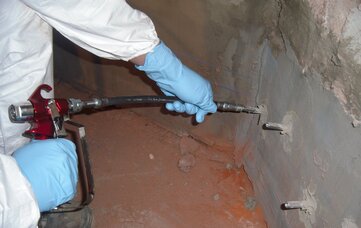
The bitumen-acrylate dispersion was applied directly to the existing waterproofing layers. A prerequisite for this was a solid, dry, and load-bearing substrate. After two coats of the material, WEBAC 5611 forms a water-impermeable protective layer that covers and permanently secures the existing waterproofing.
The careful restoration of technical and structural details—such as here in the base area—helps to preserve the historic building fabric in the long term and maintain the facility as part of Bad Nauheim’s cultural heritage.
Dispersion for Walls and Floors
WEBAC 5611 is a reactive bitumen-acrylate dispersion that adheres well to a wide variety of substrates and has crack-bridging properties. The hydrophobic effect of the bitumen component creates a waterproof seal with reliable protection against leaching by salts harmful to structures. This makes WEBAC 5611 suitable for surface waterproofing against hydrostatic pressure in building construction, civil engineering, and historic preservation.


Get information now for users of products containing diisocyanates.