PU Injection Resins
WEBAC® 1405
- Classic Line
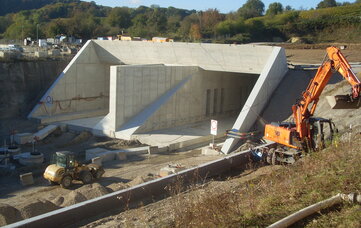
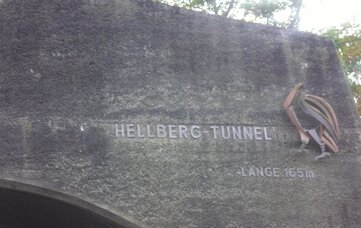
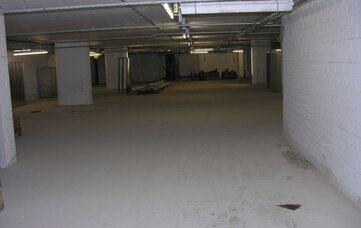
In downtown Stuttgart, there is an approximately 1.7 km long, walkable utility tunnel that serves as an important distributor for data lines between different locations. The tunnel contributes significantly to the digital infrastructure and, due to its central importance, required comprehensive and reliable waterproofing.


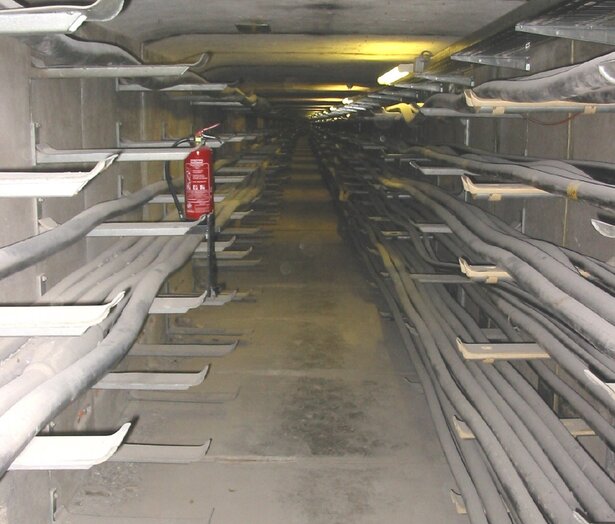
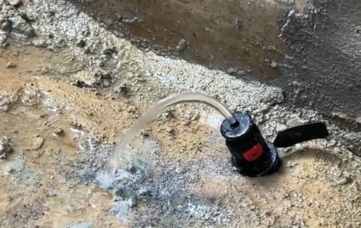
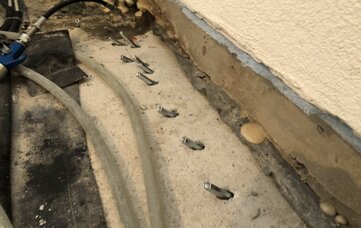
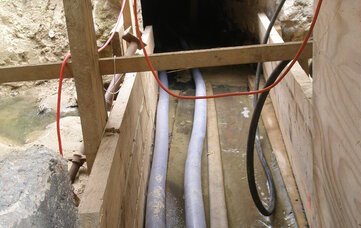
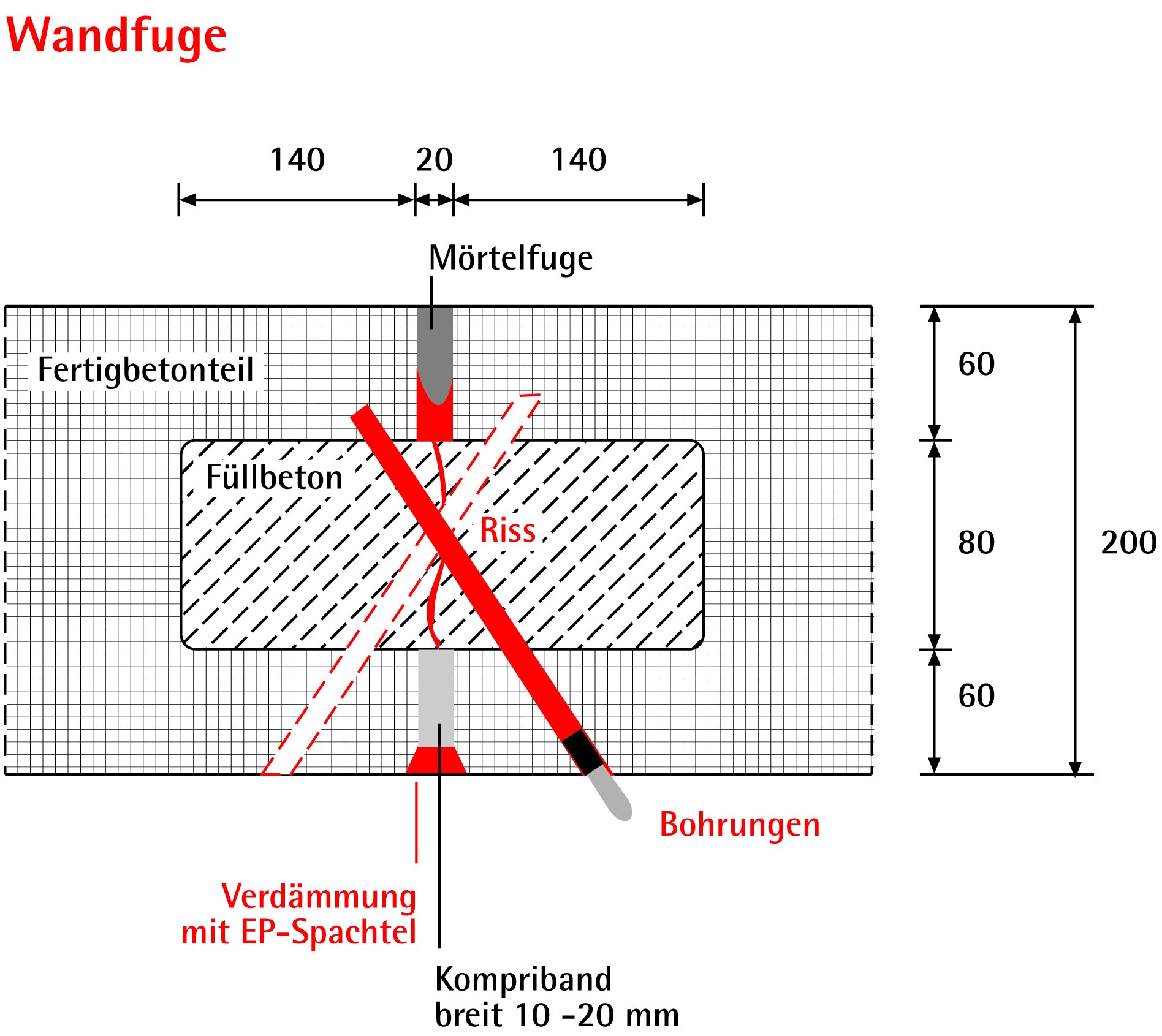
The utility tunnel exhibited significant problems at the joints of its precast concrete sections. Extensive renovation work was necessary to ensure the long-term operation of the sensitive digital infrastructure. The joints had to be sealed with particular care to permanently prevent moisture from penetrating.
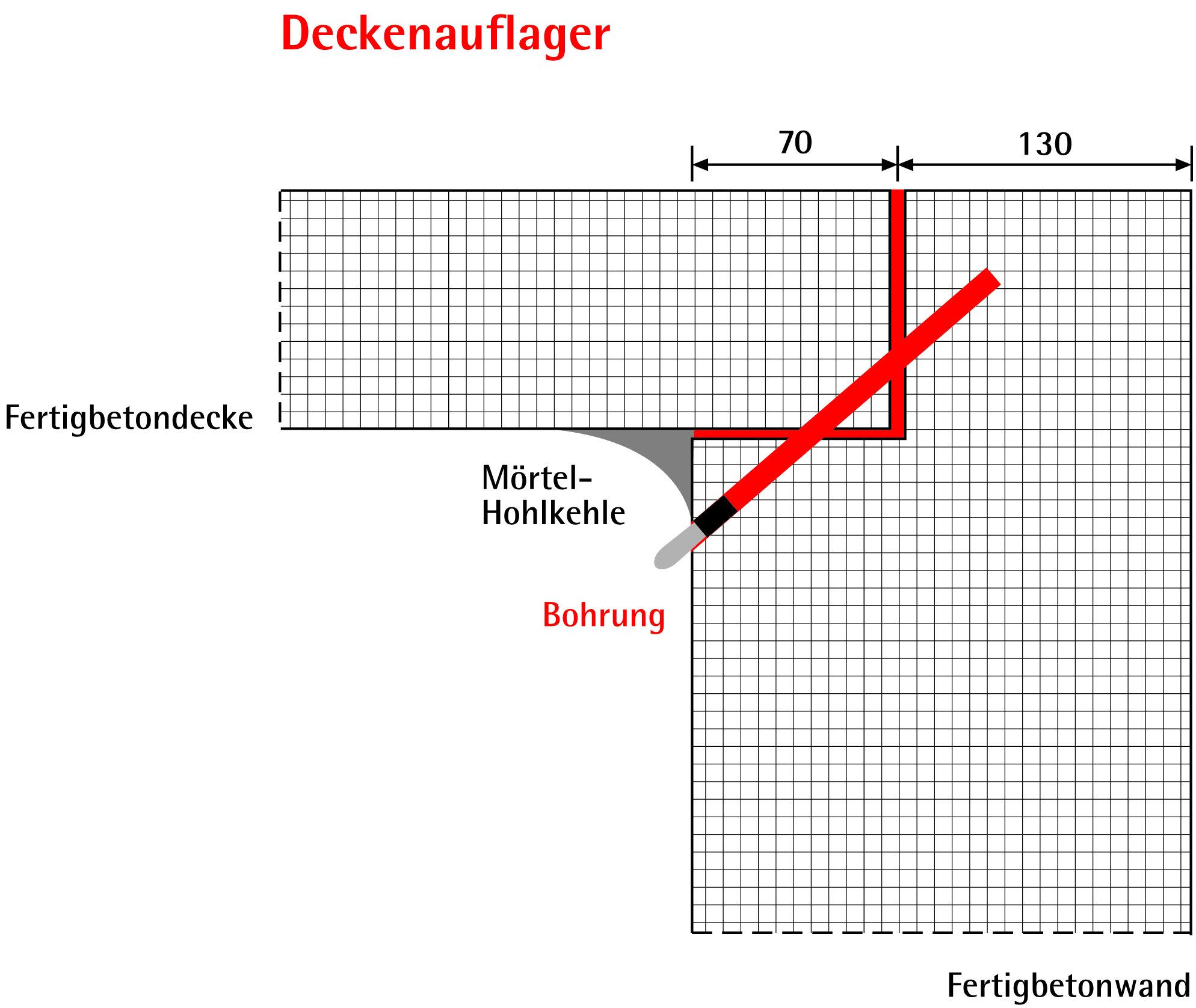
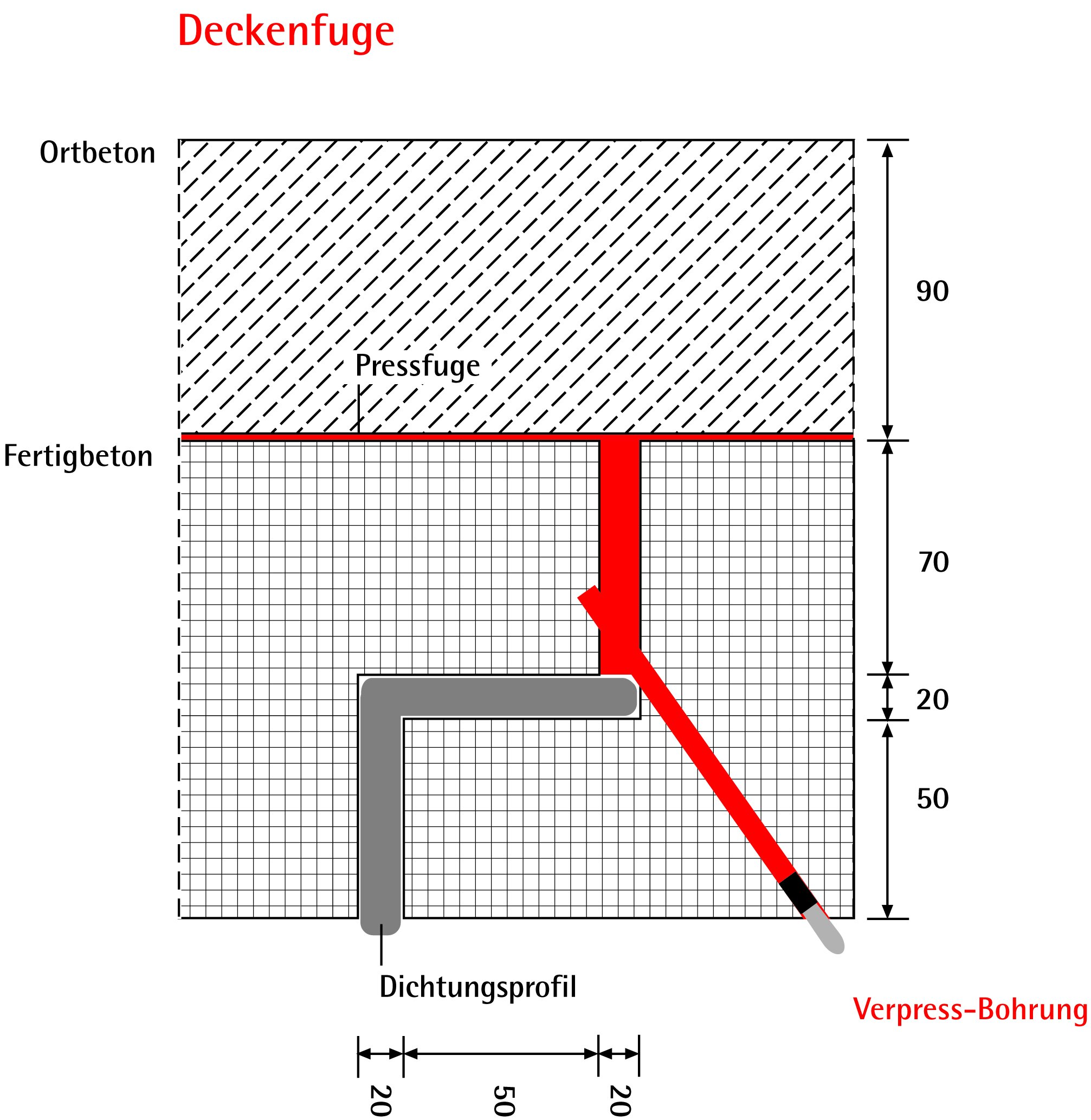
The following measures were implemented during the tunnel sealing process:
Two specific methods were used for sealing:
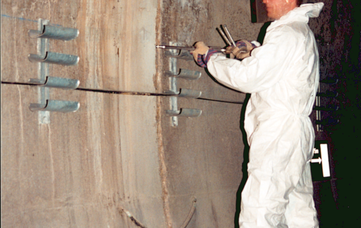
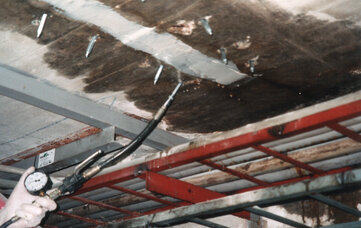
Due to the particular challenges posed by sensitive cable harnesses and the risk of explosion, electrically powered pumps, as well as solvents and cleaners, were prohibited. Injection was therefore carried out using compressed-air-powered injection pumps. Only Component A of the PU injection resin was used to clean the pumps, thereby completely eliminating the need for additional cleaning agents.
PU Injection Resins
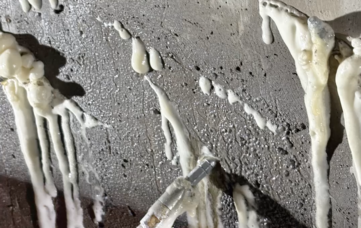
WEBAC 1405 is a low-viscosity, CE-certified PU injection resin. It cures with constant volume to form an elastic, limited-elasticity resin. Upon contact with water, it forms a uniform, closed, and watertight pore structure. It is used for closing, sealing, and limited-elasticity filling of dry, damp, or water-bearing cracks, as well as for sealing cavities/voids in building construction, civil engineering, bridge construction, tunnel construction, and shaft construction.
Acrylat Gels
WEBAC 240 is a low-viscosity, fast-setting polyacrylate injection gel with National Technical Approval from DIBt (B-concentration 2%). After curing, it forms a waterproof, firm-elastic gel that reliably absorbs dynamic and mechanical stresses. It is particularly suitable for curtain injection—either in the subsoil immediately adjacent to the structural element or within the existing building structure—as well as for subsoil stabilization and waterproofing or damp proof courses (dpc).


Get information now for users of products containing diisocyanates.